
Installing solar panels is an important investment for homeowners who want to generate their own electricity and gain more control over household energy use. However, one of the first questions people ask before starting a project is how much the installation will cost.
Understanding Solar Panel Installation Cost involves looking beyond the price of the panels themselves. The overall investment depends on system size, equipment selection, roof conditions, electrical infrastructure, installation complexity, and whether battery storage is included.
For homeowners in Denver and the surrounding Colorado communities, these considerations are especially important because every property has different energy requirements and installation conditions.
A well-planned solar project should provide a clear understanding of the equipment being installed, expected energy production, installation requirements, and long-term system performance.
Cascade Solar & Electric works with Colorado homeowners to design residential solar systems and supporting electrical infrastructure based on individual property requirements.
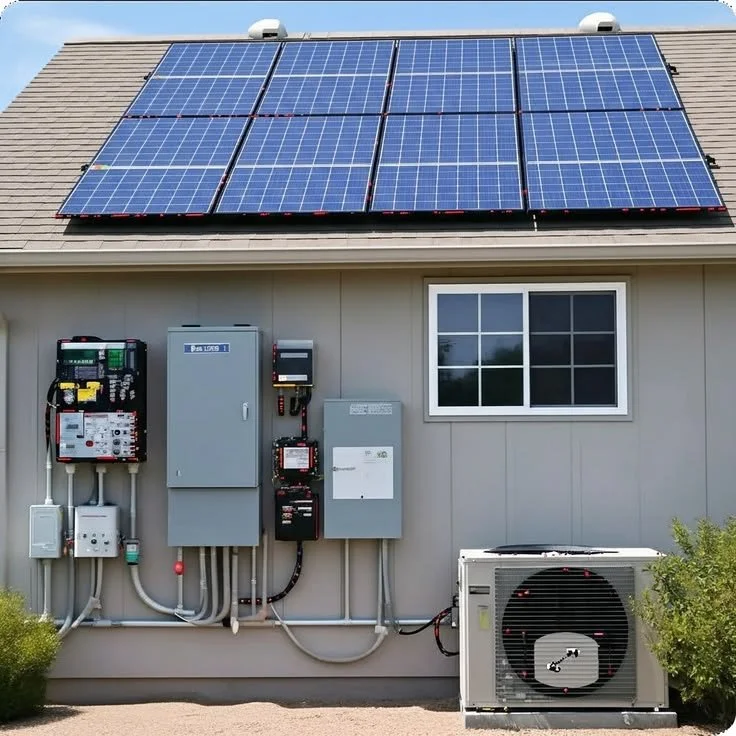
What Determines Solar Panel Installation Cost?
There is no single price that applies to every residential solar installation. Several factors influence the final project estimate.
1. Solar System Size
The size of the solar system is one of the biggest factors affecting installation costs.
Larger systems generally require more panels, mounting equipment, electrical components, and installation labor.
The correct system size should be based on household electricity consumption rather than simply choosing the largest available option.
For example, a household with higher electricity usage may need a larger system than a smaller property with fewer electrical requirements.
2. Solar Panel and Inverter Selection
Solar panels and inverters are available in different specifications and performance categories.
Equipment quality, efficiency, manufacturer warranties, and compatibility can influence the overall project price.
It is important to compare complete system specifications instead of choosing equipment based only on the lowest quoted price.
3. Roof Design and Installation Conditions
The condition and layout of a roof can affect installation complexity.
Factors such as roof pitch, material, available space, shading, and accessibility may influence the amount of labor and equipment required.
A roof that requires additional preparation or has limited installation space may involve additional work.
Homeowners should also consider the age of their roof. If replacement is expected soon, it may be worth addressing that work before installing solar panels.
4. Electrical Panel Requirements
A solar system needs to connect safely with the property's electrical infrastructure.
Some homes have electrical panels that can accommodate the installation without major changes, while others may require an upgrade or modification.
An electrical panel upgrade can add to the total project cost, but it may also help prepare the home for future electrical requirements.
5. Battery Storage Options
Adding battery storage increases the overall investment but provides additional functionality.
A battery can store available electricity for use during the evening or certain grid outages.
The final cost depends on battery capacity, equipment selection, installation requirements, and the number of batteries included.
How Much Does a Solar Installation Cost in Denver?
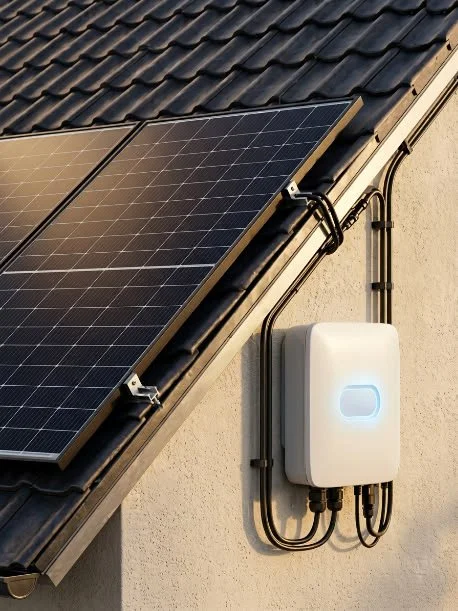
Solar installation pricing varies based on the property and system specifications.
A useful estimate should account for the following:
Number and type of solar panels.
Expected electricity production.
Inverter equipment.
Mounting and electrical components.
Roof accessibility and installation complexity.
Permitting and inspection requirements.
Battery storage, if included.
Additional electrical upgrades.
Rather than relying on a general online price, homeowners should request a property-specific assessment.
A professional proposal should explain what is included, identify any additional work, and outline the expected system performance.
This makes it easier to compare different installation options accurately.
Why the Lowest Solar Quote Is Not Always the Best Option
It can be tempting to select the lowest-priced installation, especially when comparing multiple proposals.
However, the initial price does not always reflect the overall quality or value of a solar project.
Before making a decision, consider the following factors.
Equipment Specifications
Check the panel and inverter models, efficiency ratings, warranties, and expected production.
Installation Workmanship
Proper installation is essential for electrical safety, equipment reliability, and long-term performance.
Permitting and Inspections
Understand who is responsible for obtaining permits, coordinating inspections, and managing the required documentation.
System Monitoring
Ask whether monitoring equipment is included and how you can review energy production after installation.
Post-Installation Support
A solar system is a long-term investment. It is important to understand what support is available if a component needs attention.
Is Battery Storage Worth Including?
Many Denver homeowners consider adding battery backup when planning a solar installation.
While solar panels generate electricity during the day, household consumption continues after sunset.
Battery storage allows available electricity to be stored for later use, depending on the system configuration.
A battery may be particularly useful for households that:
Want backup electricity during certain outages.
Have essential appliances that need continued power.
Want to use stored solar electricity during evening hours.
Are planning to add more electrical equipment.
Prefer greater control over household energy use.
However, battery storage is not necessary for every homeowner.
The right decision depends on your energy priorities, budget, backup requirements, and how you plan to use electricity.
Understanding Solar Savings and Long-Term Value
Solar panels should be evaluated as a long-term energy investment rather than simply a way to reduce the next utility bill.
Potential financial benefits depend on multiple factors, including:
Current electricity rates.
Future utility rate changes.
Household energy consumption.
Solar system production.
Utility compensation policies.
Financing arrangements.
Equipment performance and maintenance.
Homeowners should also review any available local utility programs or incentives directly, because eligibility and terms can change.
A reliable installer should explain the assumptions used in any projected savings calculation.
This helps customers understand the difference between estimated performance and guaranteed financial outcomes.
Questions to Ask Before Hiring a Solar Installer
Before approving a proposal, consider asking these questions:
What system size is recommended for my household?
Which solar panels and inverters will be installed?
Does my electrical panel require an upgrade?
Is battery storage included or optional?
What permits and inspections are required?
How will the system's performance be monitored?
What manufacturer and installation warranties are included?
Who will handle installation and post-installation support?
These questions can help you understand the full project and avoid unexpected expenses.
Why Choose Cascade Solar & Electric?
Cascade Solar & Electric provides residential solar panel installation, battery backup systems, electrical panel upgrades, and EV charger installation across Denver and the Colorado Front Range.
The company approaches solar projects by considering the complete electrical system rather than focusing only on panel installation.
This helps homeowners understand how solar equipment, battery storage, and existing electrical infrastructure work together.
With experience in residential and commercial energy projects, Cascade focuses on customized system design, professional installation, and long-term reliability.
Final Thoughts
Understanding Solar Panel Installation Cost requires evaluating the complete project, including system size, equipment, roof conditions, electrical requirements, and optional battery storage.
The best investment is not necessarily the cheapest installation. It is the system that meets your household's energy needs, is professionally installed, and provides reliable performance over time.
Taking the time to compare detailed proposals and understand the installation process can help you make a more confident decision.
Contact Cascade Solar & Electric at 303-928-4123 to discuss your solar installation requirements and request a customized assessment for your Denver-area home.
