
Solar panels can help a household generate electricity on site and take a more active role in managing energy use. But a good residential solar project is not simply a matter of putting panels on the roof. The system needs to fit the home's energy profile, roof conditions, electrical equipment and long-term plans. In Colorado, homeowners may also want to consider how solar works with battery backup and changing household needs such as electric vehicles. Cascade Solar & Electric designs residential solar, battery storage and electrical systems for homes in the Denver area and across the Colorado Front Range.
Begin with the household's energy pattern
Review a full year of utility bills rather than relying on one month. Seasonal changes, heating and cooling equipment, occupancy and work-from-home habits can all affect electricity use. Consider upcoming changes too: an electric vehicle, heat pump, finished basement or home addition may increase demand. A system sized only around yesterday's usage may not match the household five years from now. An installer can use consumption information to discuss an appropriate system size and production expectations.
Evaluate the roof and the site
Roof orientation, pitch, available area, shading and condition all influence solar design. Trees, nearby buildings, roof vents and chimneys can affect where panels can be placed. The roof should also be assessed for age and condition; installing panels shortly before a roof replacement can create avoidable expense. A site assessment helps determine the usable array area and identify electrical or structural considerations before a final design is prepared.
Understand the parts of a home solar system
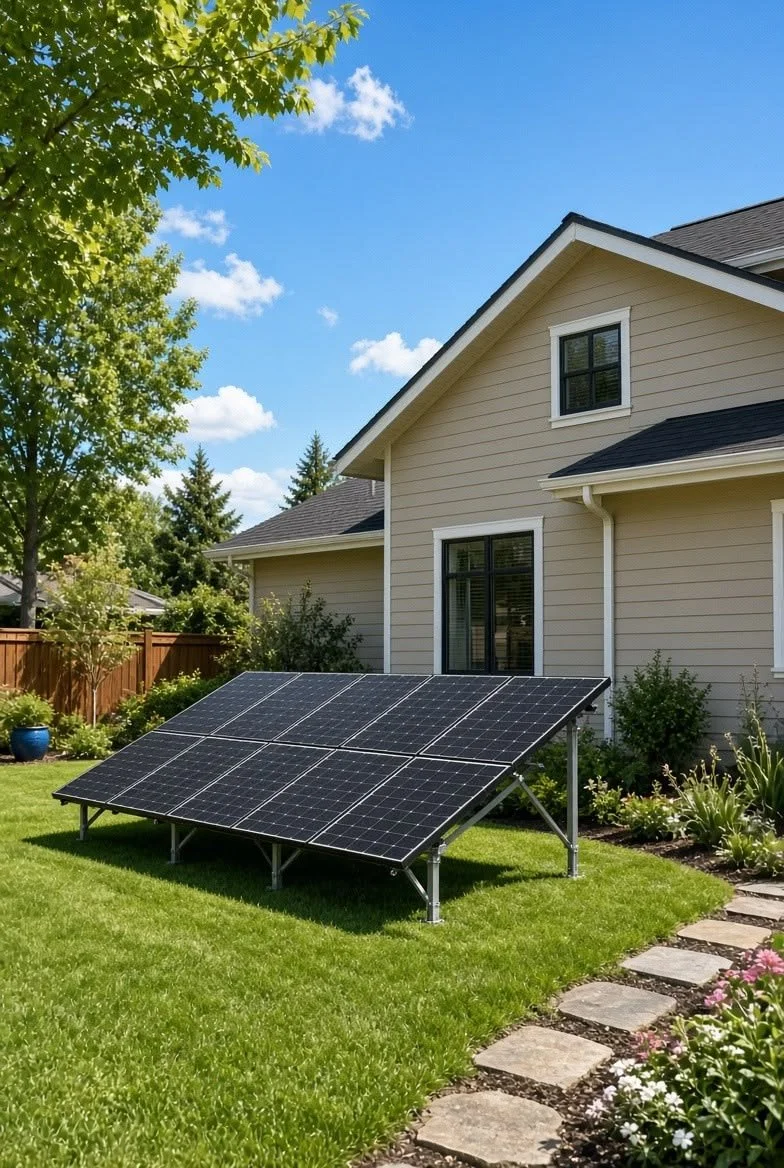
A residential system typically includes solar modules, mounting equipment, inverters and electrical components that connect the array to the home's electrical system. The inverter arrangement affects how the system converts direct-current electricity from the panels into usable alternating-current electricity. Monitoring equipment can help homeowners understand production and identify changes in performance. The precise equipment configuration should be selected for the roof, system size and project requirements rather than from a generic package.
Consider whether battery backup belongs in the plan
Solar panels and battery storage perform different roles. Panels generate electricity when sunlight is available; a battery stores energy for use later, subject to system design and capacity. Battery backup can provide selected circuits or loads with power during an outage when the system is configured to do so. It is important to discuss which appliances matter most, how long backup is expected to last and what loads the system can support. A battery is not automatically a whole-home solution.
Review the electrical panel and future upgrades
The home's electrical service and panel may need attention as part of a solar project. Panel capacity, available breaker space, service equipment condition and local code requirements can affect the installation. Homeowners considering EV charging, additional appliances or electrification upgrades should discuss those plans early. Cascade Solar & Electric combines solar installation with licensed electrical contracting, allowing related upgrades to be considered as part of one coordinated energy plan.
Ask how production and savings are estimated
Solar production depends on system design, weather, shading, equipment and household conditions. Financial estimates should clearly state their assumptions, including expected production, utility rates, applicable fees and any program terms. Avoid treating projected savings as a guarantee. Ask what happens if actual production differs from the estimate and how the system will be monitored. A transparent proposal should explain both the technical design and the financial assumptions.
Understand permits, inspections and utility coordination
Residential solar installations involve more than mounting panels. The project may require permit applications, electrical review, inspections and coordination with the utility before the system can be activated. Ask who manages these steps and how progress will be communicated. A professional installer should explain the expected sequence and make clear that the system should not be treated as operational until the required approvals and utility steps are complete.
Plan for ownership and long-term support
Before signing, understand equipment warranties, workmanship coverage, monitoring access and who to contact if the system needs attention. Ask how the system can be expanded, what maintenance is expected and whether roof work could affect the array in the future. If a financing or cost-reduction program is offered, read the ownership structure and transfer terms carefully. Homeowners should understand who owns the equipment at each stage and what obligations apply.
Questions to ask a solar installer
Ask for a site-specific design, not just a price per panel. Find out how roof shading and electrical capacity were assessed, what equipment is proposed, whether battery backup is included, and what loads it will support. Confirm responsibility for permits, inspections and utility coordination. Request clear estimates and written program terms. A useful consultation should educate you about trade-offs rather than pressure you into a decision.
Frequently Asked Questions
Do solar panels automatically provide power during an outage?
Not necessarily. A grid-connected solar system generally needs appropriate backup equipment and configuration to operate during an outage. Ask which circuits can be supported and for how long.
Is a battery required with a home solar system?
No. Solar and battery storage serve different purposes. A battery may be useful when backup power or storing energy for later use is a priority, but the right choice depends on household needs and system design.
What information should I prepare for a solar consultation?
Recent utility bills, roof information, plans for an EV or other electrical upgrades, and a list of essential backup loads can help the installer understand the home's needs.
Final Thoughts
Choosing solar panels for a house is a long-term home-energy decision. The right solution begins with accurate information about energy use, roof conditions and electrical infrastructure, then considers storage and future needs. Cascade Solar & Electric designs residential solar, battery backup, EV charging and electrical upgrades for Denver homes. A site-specific conversation can help determine whether solar is a fit and what system configuration makes sense for your property.
Learn more about Cascade Solar & Electric and its services or products by visiting the official website.
A useful way to keep the project focused is to write down the decisions that matter most and revisit them as new information becomes available. This keeps the conversation grounded in the intended outcome instead of allowing small details to distract from the larger goal. It also gives everyone involved a shared reference point when comparing alternatives.
