
Electricity costs, changing energy needs, and concerns about power reliability have encouraged many homeowners to explore renewable energy. Among the available options, a Solar Energy System can provide an effective way to generate electricity while reducing dependence on traditional utility power.
For homeowners in Colorado, solar energy offers an opportunity to take advantage of the region's sunlight while planning for long-term household energy requirements. However, installing solar panels is not simply about selecting equipment and placing it on a roof. The right system needs to match the property's electricity consumption, roof conditions, electrical infrastructure, and future energy goals.
A properly designed system can also work alongside battery storage, electrical panel upgrades, and electric vehicle charging equipment.
Cascade Solar & Electric helps homeowners and businesses across Denver and the Colorado Front Range explore integrated solar and electrical solutions. Understanding the important factors involved in choosing a solar system can help homeowners make more informed decisions.
What Is a Solar Energy System?
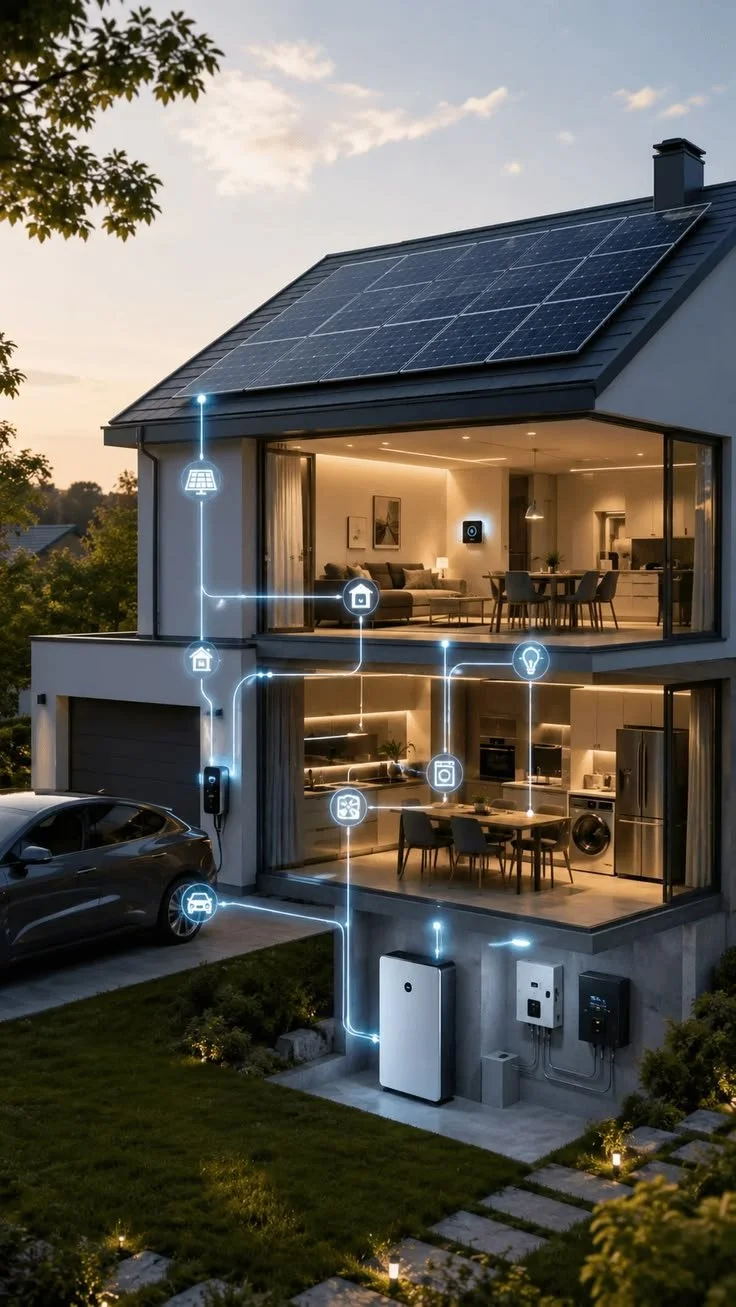
A solar energy system uses photovoltaic panels to convert sunlight into electricity that can be used by a property.
A residential system generally includes several connected components that work together to generate, convert, and manage electricity.
These commonly include:
Solar Panels: Capture sunlight and convert it into direct current electricity.
Inverter: Converts direct current electricity into alternating current electricity used by household appliances.
Mounting Equipment: Secures the solar panels to the roof or another suitable installation area.
Electrical Connections: Connect the solar equipment to the property's electrical infrastructure.
Monitoring Equipment: Helps homeowners track system performance and energy production.
Battery Storage: Stores available electricity for later use when included in the system.
The exact configuration depends on the property, energy consumption, and whether the homeowner wants battery backup.
Why Colorado Homeowners Are Considering Solar Energy
Colorado's climate and sunshine make solar energy an attractive option for many homeowners. However, the suitability of an installation depends on more than the number of sunny days.
Several factors influence how useful a solar system can be for a particular property.
1. Potential Electricity Savings
Solar panels generate electricity that can offset a portion of the energy a household would otherwise purchase from the utility.
The amount of savings depends on system size, energy consumption, utility rates, production, and applicable utility policies.
A professional system assessment can help homeowners understand realistic expectations.
2. Greater Energy Independence
Generating electricity at home gives property owners more control over where some of their power comes from.
When paired with battery storage, a solar system can provide additional flexibility by storing electricity for later use.
3. Long-Term Energy Planning
Household electricity needs can change over time. Homeowners may add electric vehicles, upgrade appliances, or expand their living spaces.
Planning for future energy requirements can help ensure the system is designed with enough flexibility.
4. Renewable Energy Use
Solar energy allows homeowners to generate electricity using sunlight, reducing their reliance on conventional grid electricity.
This can be an important consideration for people interested in making their homes more energy efficient.
How to Determine the Right Solar System Size
One of the most important decisions during solar planning is choosing the correct system size.
A system that is too small may not generate enough electricity to meet the homeowner's goals. On the other hand, installing more capacity than necessary may increase the initial investment without providing proportional benefits.
Several factors should be considered.
Review Your Electricity Consumption
Start by reviewing recent utility bills to understand how much electricity your household uses.
Monthly and seasonal consumption patterns provide useful information for determining the amount of electricity the system should generate.
Consider Your Roof Conditions
Roof direction, available space, shading, pitch, and structural condition can influence solar panel placement and production.
South-facing roofs can be favorable, but other orientations may also work depending on the property's layout and system design.
Plan for Future Electricity Needs
If you expect to purchase an electric vehicle, install additional appliances, or add a home office, your electricity requirements may increase.
Discussing these plans during the design stage can help prevent unnecessary changes later.
Evaluate Electrical Infrastructure
Your existing electrical panel must be suitable for the proposed installation.
Some properties may require electrical upgrades to safely support the additional equipment.
Should You Add Battery Backup to Your Solar Energy System?
Solar panels generate electricity during daylight hours, but household energy needs continue throughout the evening and night.
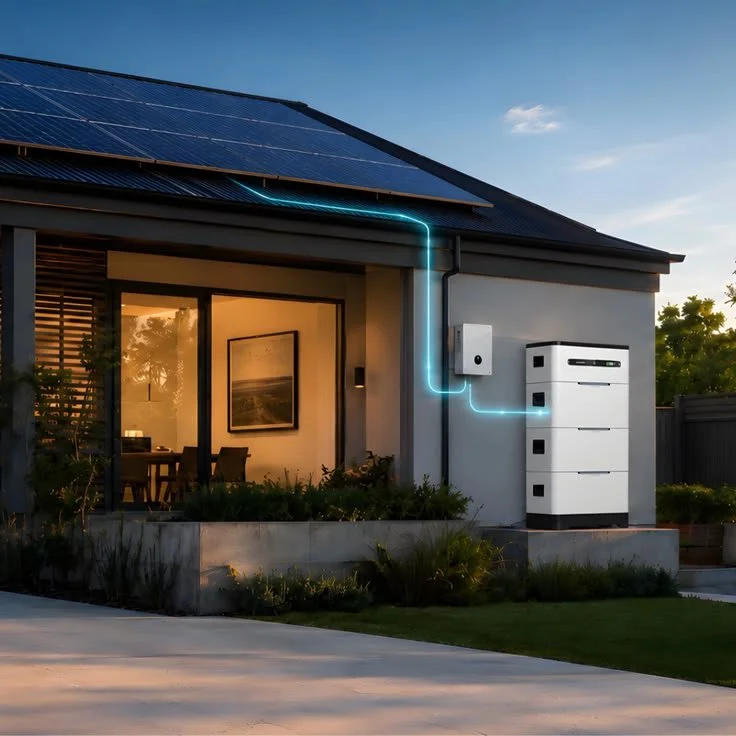
Battery storage provides a way to store available electricity for later use.
A solar battery backup system can offer several benefits:
Store excess solar electricity for use after sunset.
Provide backup power for selected household circuits during outages.
Reduce reliance on grid electricity during certain periods.
Support a more flexible household energy setup.
Help homeowners plan for changing energy requirements.
The amount of backup power available depends on battery capacity, system configuration, and household electricity consumption.
Homeowners should identify which appliances and systems they want to support during an outage before choosing battery capacity.
For example, keeping refrigerators, lighting, communication equipment, and selected essential circuits running requires a different configuration from powering an entire home.
Important Factors Before Installing Solar Panels
Before choosing a solar energy system, homeowners should evaluate the complete installation rather than comparing panel prices alone.
Equipment Quality
Look for reliable solar panels, inverters, and battery equipment with appropriate manufacturer warranties.
Installation Experience
Solar installation involves roofing considerations, electrical connections, system design, permitting, and inspections. Working with qualified professionals helps ensure these elements are addressed properly.
Electrical Panel Compatibility
An older or limited-capacity electrical panel may require modifications before the new system can be connected.
Monitoring and Maintenance
Understand how system performance will be monitored and what support is available if equipment requires attention.
Future Expansion
If you may add battery storage or an EV charger later, discuss compatibility during the initial planning process.
Why Work With Cascade Solar & Electric?
Cascade Solar & Electric provides residential and commercial solar solutions throughout Denver and the Colorado Front Range.
The company offers more than solar panel installation. Its services include battery backup systems, electrical panel upgrades, EV charger installation, and other electrical solutions.
This integrated approach helps homeowners coordinate different energy requirements through one experienced team.
Cascade also emphasizes in-house system design and installation, helping maintain continuity throughout the project.
Rather than treating solar panels, batteries, and electrical upgrades as separate projects, the company considers how these components work together to support the property's overall energy requirements.
Final Thoughts
Choosing the right Solar Energy System involves understanding your household electricity consumption, evaluating roof conditions, selecting suitable equipment, and planning for future energy needs.
Adding battery storage can provide another level of flexibility, particularly for homeowners who want backup power during outages.
The most effective approach is to begin with a professional assessment rather than selecting a system based only on advertised specifications or estimated savings.
Cascade Solar & Electric can help Colorado homeowners evaluate their options and develop an energy solution that fits their property and long-term goals.
Visit Cascade Solar & Electric or call 303-928-4123 to discuss residential solar, battery backup, and electrical solutions for your home.
