
How to Choose the Right Residential Solar System for Your Home
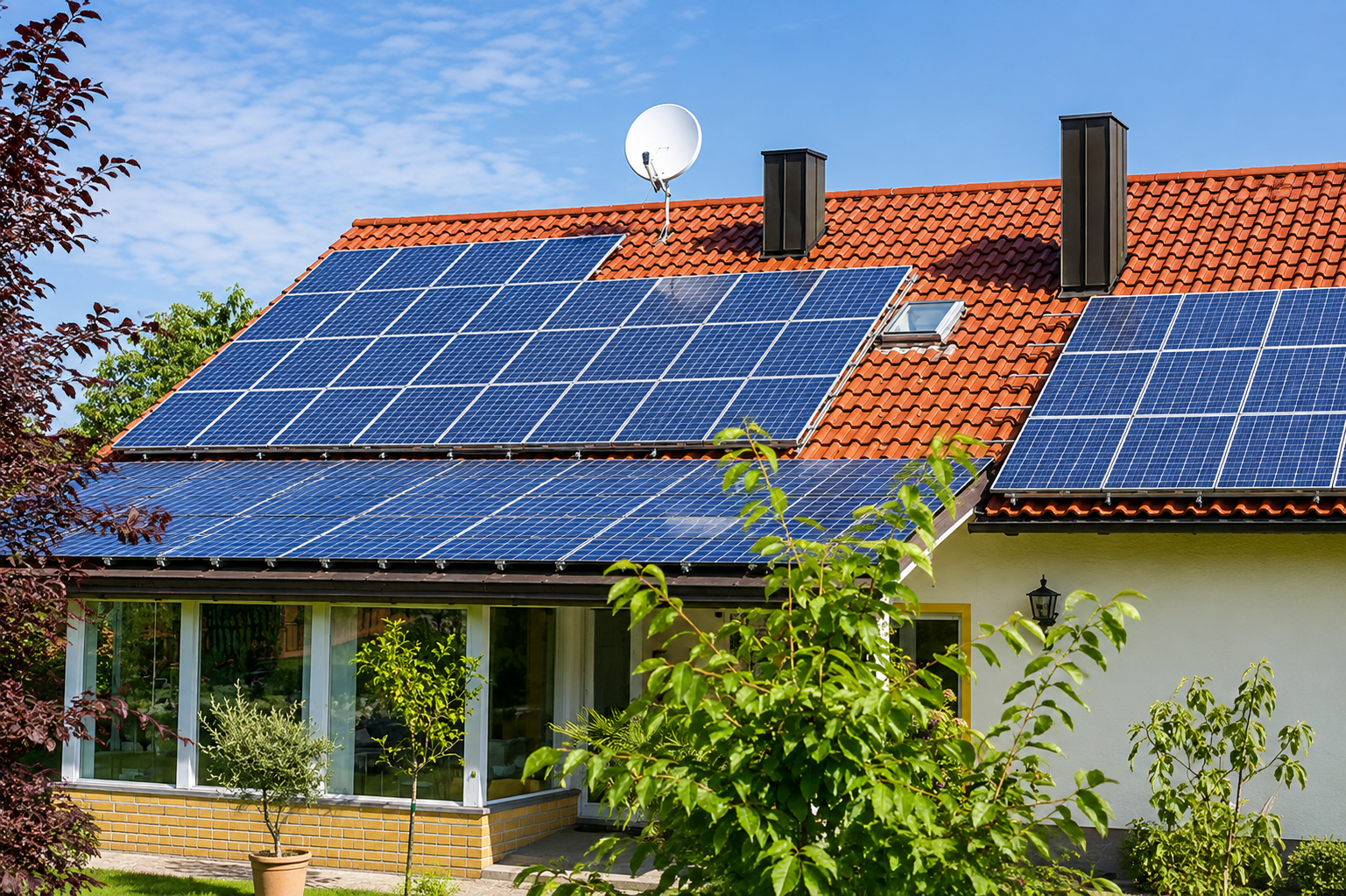
Choosing among residential solar systems can feel overwhelming when you are comparing panels, system sizes, battery options, warranties, and installation companies. The right system, however, is not necessarily the one with the most panels or the highest advertised efficiency. It is the one designed around your home's energy use, roof, electrical infrastructure, budget, and long-term goals.
For homeowners considering solar, taking time to understand these factors can lead to a better investment and a system that continues to meet your energy needs for years. Cascade Solar & Electric takes a customized approach to residential solar, evaluating the home, energy consumption, roof characteristics, and electrical system before developing a solar solution.
What Are Residential Solar Systems?
Residential solar systems use photovoltaic panels to convert sunlight into electricity for a home. A typical system includes solar panels, an inverter, mounting equipment, electrical components, and monitoring technology. Battery storage can also be added when homeowners want backup power or greater control over stored solar energy.
The amount of electricity a system produces depends on factors such as panel capacity, sunlight exposure, roof orientation, shading, system design, and local conditions. That's why simply choosing a certain number of panels isn't enough to determine whether a system is right for your home.
Start With Your Home's Energy Use
Before comparing equipment, look at how much electricity your household actually consumes.
Reviewing recent utility bills can reveal seasonal patterns and help identify your average electricity usage. Think beyond today's consumption, too. If you're planning to purchase an electric vehicle, install a heat pump, finish a basement, or replace gas appliances with electric alternatives, your future electricity demand may increase.
A properly sized system should account for both current and reasonably expected energy needs.
Ask yourself:
How much electricity does my home use each month?
Does usage increase significantly during certain seasons?
Am I planning major electrical upgrades?
Do I want to offset most of my electricity use or only a portion?
These answers provide a useful starting point for system design.
Evaluate Your Roof Before Choosing Solar Panels
The roof is one of the most important parts of a residential solar project. Before installing residential solar panels, an installer should evaluate the roof's condition, available space, orientation, and potential shading.
A newer roof may be a convenient candidate for solar installation. If your roof needs major repairs or replacement soon, completing that work before installing solar may be worth considering.
Roof orientation also affects solar production. South- and west-facing roof areas can be useful for solar, but other orientations may still work depending on the property's layout and shading.
Trees, neighboring buildings, chimneys, and other structures should also be considered because shade can reduce energy production.
Consider the Right Solar Panel and Inverter Combination
Not all solar equipment is identical. Panel efficiency, physical dimensions, inverter technology, warranties, and system configuration can all affect the final installation.
Higher-efficiency panels can be particularly useful when roof space is limited because they can produce more electricity within a smaller installation area.
The inverter is equally important because it converts the electricity generated by the panels into usable household electricity. The right inverter configuration depends on the system design and property.
Rather than selecting equipment based solely on specifications, homeowners should consider how the complete system works together.
Don't Forget Battery Backup
A solar system can generate electricity during daylight hours, but your household may continue using power after the sun goes down. That's where solar battery backup can become valuable.
A battery can store excess solar energy for later use and, when properly configured, provide backup power during certain outages.
Battery storage may be especially appealing if you want to:
Keep essential household circuits operating during outages
Store excess solar energy
Use more of your own solar-generated electricity
Increase household energy resilience
Prepare for future energy needs
Not every homeowner needs a battery, so the decision should be based on your energy priorities and budget.
Check Your Electrical System
Solar installation is also an electrical project. Your home's electrical panel, wiring, breakers, and available capacity should be evaluated before installation.
Older homes or properties with limited electrical capacity may require an electrical panel or service upgrade to safely accommodate new energy equipment.
Working with a company that understands both solar and electrical systems can simplify this part of the project. Cascade Solar & Electric provides residential solar installation alongside electrical upgrades, battery storage, and EV charger installation, allowing these requirements to be considered together.
Compare More Than the Upfront Price
Cost matters, but the lowest initial price doesn't always represent the best overall value.
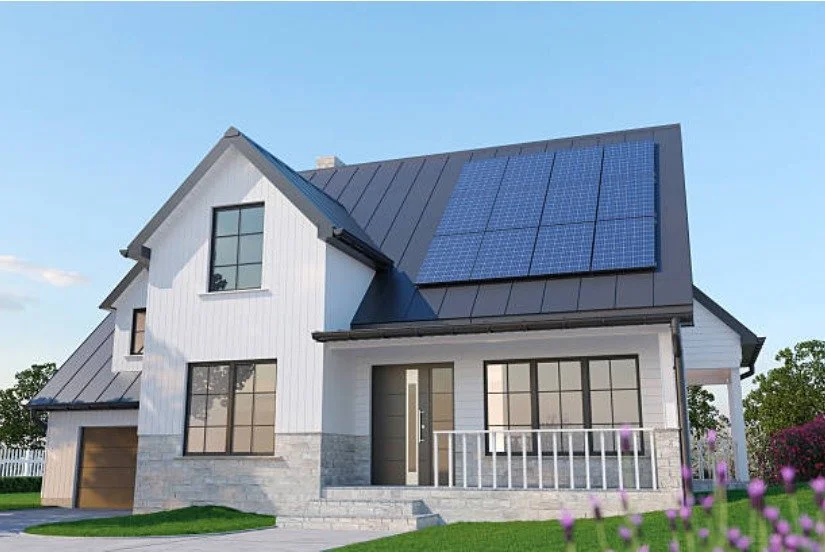
When comparing residential solar systems, consider:
Equipment quality
System size and expected production
Installation workmanship
Warranty coverage
Monitoring capabilities
Electrical work included
Permitting and inspection support
Battery compatibility
Long-term service
A detailed proposal should explain what you're purchasing rather than simply presenting a single system price.
Cascade Solar & Electric currently offers both a traditional solar purchase option and an ESSA program for qualifying homeowners, giving customers different paths toward solar ownership.
Choose an Installer With a Complete Process
A reliable solar project involves more than installation day. Site assessment, system design, permitting, installation, inspections, activation, monitoring, and ongoing support all matter.
Cascade Solar & Electric describes its process as beginning with a home consultation and energy review, followed by custom system design, permitting and installation, and ongoing monitoring and support. The company also states that it is a local, owner-operated business and serves Denver and surrounding Front Range communities.
This kind of end-to-end approach can make the transition to solar easier for homeowners who don't want to coordinate multiple contractors.
Final Thoughts
The best residential solar systems are designed around the home—not simply selected from a catalog. Your electricity consumption, roof condition, sunlight exposure, electrical infrastructure, future energy plans, and interest in solar battery backup should all influence the final decision.
If you're considering residential solar panels for your property, start with a professional evaluation rather than guessing how many panels you need. A customized assessment can help you understand your options and choose a system that fits your home's energy goals.
Ready to explore solar for your home? Cascade Solar & Electric can evaluate your property and help you develop a residential solar solution tailored to your needs.
Frequently Asked Questions
What is the best residential solar system for a home?
There isn't one system that is best for every property. The right option depends on electricity usage, roof space, shading, electrical capacity, budget, and whether battery backup is desired.
How many residential solar panels does a house need?
The number depends on the home's electricity consumption, panel capacity, available roof space, sunlight exposure, and desired energy production. A professional system assessment provides a more useful answer than a standard panel count.
Are solar panels for a house worth it?
Solar can be worthwhile for homeowners who have suitable roof space and want to generate renewable electricity while potentially reducing long-term reliance on grid power. Actual financial benefits vary by property and energy use.
Do I need solar battery backup?
Not necessarily. Battery storage is optional for many homeowners, but it can be useful for storing excess solar energy and providing backup power for selected loads during outages.
Should I upgrade my electrical panel before installing solar?
It depends on the home's existing electrical capacity and the requirements of the planned system. An electrical assessment can determine whether an upgrade is necessary.