
A home solar power system can be an important part of a more resilient and efficient household, but the best system is designed around the way a home actually uses electricity. Solar generation, battery storage, electrical panels and EV charging should not be treated as unrelated purchases when they affect the same infrastructure. Cascade Solar & Electric helps Denver-area homeowners plan integrated solar and electrical systems, with an emphasis on reliability, thoughtful design and clear ownership expectations.
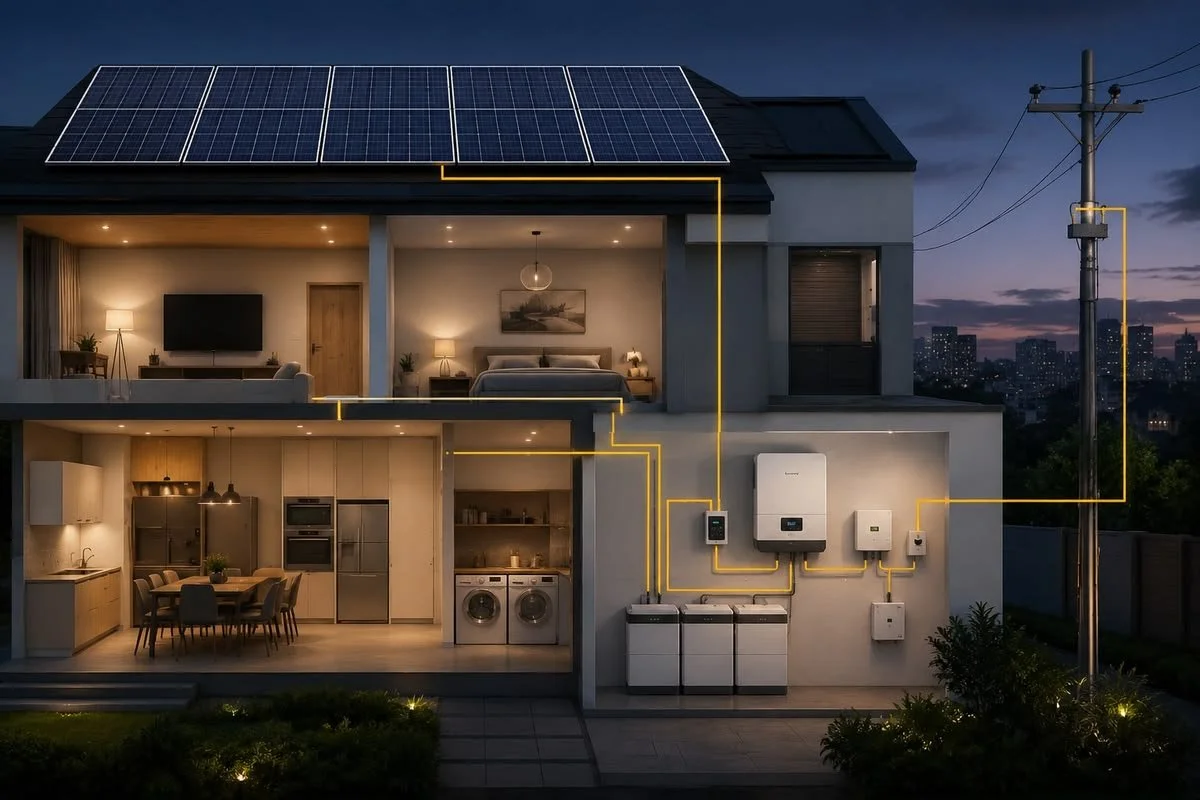
Map the home's current and future electricity needs
Start with utility bills and a list of major electrical loads. Include heating and cooling, cooking, laundry, water heating, home office equipment and any existing vehicle charging. Then consider future plans such as an EV, heat pump or addition. These details help determine the system's likely size and whether electrical upgrades should be included. A useful design reflects both present use and realistic changes ahead.
Separate solar generation from backup power
Solar panels produce electricity when conditions allow, while battery storage holds energy for later use. The two technologies can work together, but their functions are not interchangeable. A grid-connected solar system may shut down during an outage unless it has the appropriate equipment and configuration. If backup power is a priority, ask how the system isolates from the grid and which circuits can operate during an outage.
Decide which loads matter during an outage
A battery plan should begin with priorities. Some households want to keep refrigeration, lighting, internet and a few outlets running. Others may want support for medical equipment, a sump pump or additional circuits. The desired backup duration and simultaneous power demand influence battery capacity and system design. Ask the installer to explain what the proposed system can support, what it cannot support and how loads are managed.
Check the electrical service before selecting equipment
The electrical panel is central to a home's energy system. Available capacity, panel condition, service size and circuit layout can affect solar interconnection, battery installation and EV charging. An electrical assessment can identify whether a panel upgrade or other work is advisable. Addressing these items as part of the overall plan can help avoid disconnected projects and repeated visits.
Think ahead about EV charging
An electric vehicle can add a significant new electrical load. If you expect to install a home charger, discuss the vehicle, charging habits and preferred charging location early. The electrician can evaluate the panel, wiring route and charger requirements. Coordinating EV charging with solar and battery planning may help create a more coherent system, although the best configuration depends on the home's usage and utility arrangements.
Compare system proposals on more than price
A useful proposal should identify the solar equipment, inverter configuration, battery specifications if included, monitoring, electrical work and project assumptions. Compare expected production and backup capability separately. Check whether the proposal includes permits, inspections, utility coordination and any required panel work. Ask what is excluded, what could change after site inspection and how changes are priced. This makes it easier to compare proposals fairly.
Understand the project sequence
A residential project commonly moves through consultation, site assessment, system design, permitting, installation, inspection and utility approval. The exact process varies by property and jurisdiction. Homeowners should know who is coordinating each step and when the system can be activated. Good communication matters because a physically installed system is not necessarily ready to operate before approvals are complete.
Make ownership and program terms clear
If a provider offers a cost-reduction or financing program, read the full agreement. Confirm upfront costs, payment obligations, equipment ownership, transfer conditions, maintenance responsibilities and what happens if the home is sold. Ask when ownership transfers, if applicable, and whether there are any conditions attached. The terms should be understandable before you make a commitment.
Prepare for monitoring and maintenance
After activation, monitoring can help you understand how much electricity the system produces and whether performance changes. Keep access to the monitoring platform and retain equipment documents, permits and warranties. Solar systems generally require limited routine attention, but the homeowner should know whom to contact about alerts, damage, electrical issues or changes in production. Battery systems also have manufacturer-specific requirements and operating guidance.
A practical consultation checklist
Bring recent utility bills, information about planned electrical upgrades and a list of essential backup loads to the first discussion. Ask for a site-specific design and a clear explanation of system limitations. Confirm the installer's electrical credentials, project responsibilities and support process. A careful consultation should leave you better informed, even if you decide to wait before installing.
Frequently Asked Questions
Do solar panels automatically provide power during an outage?
Not necessarily. A grid-connected solar system generally needs appropriate backup equipment and configuration to operate during an outage. Ask which circuits can be supported and for how long.
Is a battery required with a home solar system?
No. Solar and battery storage serve different purposes. A battery may be useful when backup power or storing energy for later use is a priority, but the right choice depends on household needs and system design.
What information should I prepare for a solar consultation?
Recent utility bills, roof information, plans for an EV or other electrical upgrades, and a list of essential backup loads can help the installer understand the home's needs.
Final Thoughts
A well-planned home solar power system connects generation, storage and electrical infrastructure into one practical solution. Cascade Solar & Electric provides residential solar panel installation, battery backup, EV charging and electrical services for Denver homes and surrounding communities. Start by discussing your energy use, outage priorities and future plans so the system can be designed around the way you live.
Learn more about Cascade Solar & Electric and its services or products by visiting the official website.
A useful way to keep the project focused is to write down the decisions that matter most and revisit them as new information becomes available. This keeps the conversation grounded in the intended outcome instead of allowing small details to distract from the larger goal. It also gives everyone involved a shared reference point when comparing alternatives.
It is worth asking for recommendations in writing and keeping product information, schedules, approvals and service details together. Clear documentation makes it easier to understand what has been selected, what is included and which questions still need an answer. It also supports better communication when more than one person is involved in the decision.
