
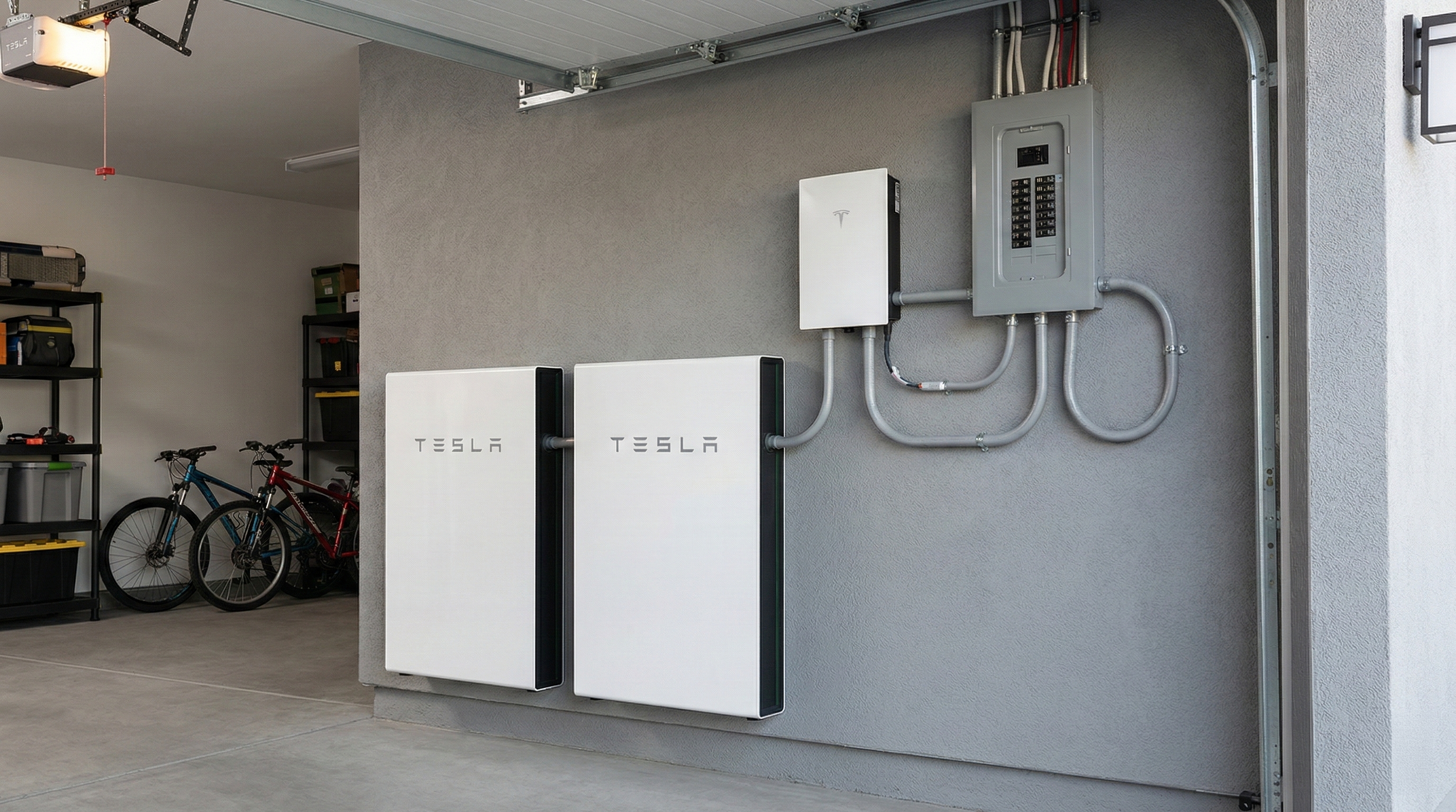
Tesla Powerwall Installation in Denver: What to Know, What It Costs, and Who to Call
Tesla Powerwall installation in Denver — what it costs, what to expect, and how to get 30% off upfront. Cascade Solar & Electric installs Powerwalls across the Denver metro.
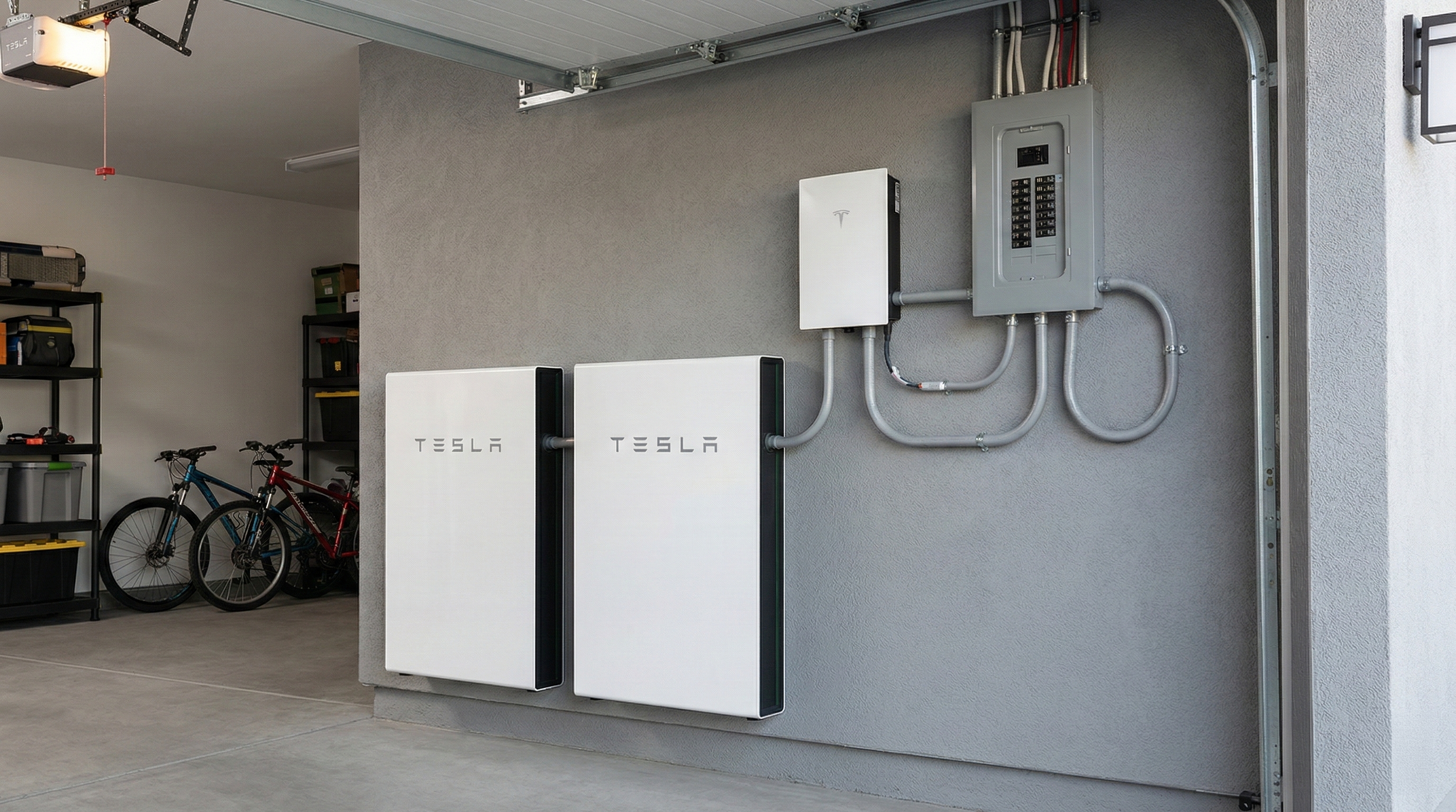
If you've been researching home battery backup, you've probably already come across the Tesla Powerwall. It's the most recognized name in residential energy storage — sleek, smart, and capable of keeping your home running through an outage without you lifting a finger.
But there's a difference between knowing you want a Powerwall and knowing how to get one installed correctly. In Denver, that difference matters more than people realize — because battery storage is an electrical project, not just a solar add-on, and who installs it determines how well it performs and how long it lasts.
Here's everything Denver homeowners need to know.
What the Tesla Powerwall Actually Does
The Powerwall is a wall-mounted home battery system that stores electricity and automatically delivers it to your home when you need it most — during a power outage, at night when your solar panels aren't producing, or during peak rate hours when utility electricity is most expensive.
When the grid goes down, the Powerwall detects the outage in a fraction of a second and switches your home to battery power seamlessly. Most homeowners don't even notice the transition. The lights stay on. The refrigerator keeps running. If you work from home, your internet and devices stay live.
The current model — the Powerwall 3 — delivers 11.5 kWh of usable energy storage and 11.5 kW of continuous power output, making it capable of running most Denver homes through a typical overnight outage on a single unit. Larger homes or longer outages may call for multiple units stacked together.
Solar-Paired vs. Standalone Installation
One of the most common questions we get is whether you need solar panels to install a Powerwall. The answer is no — but pairing them together is where the system really shines.
Standalone Powerwall (no solar): The battery charges from the grid during off-peak hours when electricity rates are lower, then discharges during peak hours or outages. You get outage protection and some rate management, but you're still dependent on the grid for charging.
Solar-Paired Powerwall: Your solar panels charge the battery during the day using free energy from the sun. At night or during an outage, the battery powers your home from that stored solar energy. This is the full energy independence setup — your home generates its own power, stores what it doesn't use, and runs on its own reserves when the grid fails.
For most Denver homeowners, the solar-paired option delivers the strongest long-term return. Colorado's 300-plus days of sunshine per year means your panels are charging that battery almost every day of the year.
What Does Powerwall Installation Cost in Denver?
Pricing varies depending on the size of your home, how many units you need, and whether you're adding solar at the same time. Here are realistic ballpark figures for the Denver market:
Single Powerwall 3 (standalone, no solar): Typically ranges from $12,000 to $16,000 fully installed, including electrical work, permitting, and utility coordination.
Single Powerwall 3 paired with a new solar system: Typically ranges from $28,000 to $45,000 depending on system size, before any applicable incentives or programs.
Multiple Powerwall units: Each additional unit adds to the base cost but reduces the per-unit price when installed together.
It's worth asking about current incentive programs during your assessment — available savings depend on your project type and timing, and we walk through every option with you.
Why Installation Quality Matters More Than People Think
A Powerwall isn't just a battery you plug into the wall. It connects directly to your home's electrical panel, requires a dedicated gateway device, integrates with your solar inverter if applicable, and needs to be programmed to match your home's specific energy usage patterns.
Done right, it's one of the most reliable pieces of equipment you can add to your home. Done poorly, it can trip breakers, fail to switch over during outages, or underperform year after year.
This is why the installer matters as much as the product itself.
Cascade Solar & Electric installs Powerwall systems as licensed electrical contractors — not just solar installers. Every battery installation we do is handled in-house by our own team, permitted through the city, inspected, and coordinated with Xcel Energy for grid interconnection. No subcontractors. No handoffs. The same team that sizes your system is the team that installs and commissions it.
What the Installation Process Looks Like
For Denver homeowners, here's what the process typically looks like from start to finish:
Step 1 — Free home assessment We evaluate your home's electrical panel, energy usage, roof (if adding solar), and outage protection goals. We design a system specific to your home — not a one-size-fits-all package.
Step 2 — Proposal and options You receive a detailed proposal with system specs, itemized costs, and projected performance. No pressure, no sales tactics — just clear numbers so you can make an informed decision.
Step 3 — Permitting and scheduling We handle all permitting with the City of Denver and coordinate with Xcel Energy for any required utility approvals. This typically takes two to four weeks.
Step 4 — Installation Our licensed electricians install the Powerwall gateway, connect the battery to your panel, wire any solar components, and commission the system. Most installations are completed in one to two days.
Step 5 — Monitoring and support Once live, you can monitor your system's performance in real time through the Tesla app. We remain available for any questions, service needs, or future upgrades.
Powerwall and the Xcel Energy Rebate
Xcel Energy has offered rebate programs for qualifying battery installations in Colorado. Program availability changes frequently. We stay current on what's available and will confirm exact rebate amounts during your assessment.
Denver Homeowners: Here's the Bottom Line
The Tesla Powerwall is a proven, reliable product that makes genuine sense for Denver homeowners who want outage protection, energy independence, or a smarter way to use their solar production. Colorado's weather — hail, wind, winter storms — makes having a backup power source less of a luxury and more of a practical decision.
What matters is getting it installed correctly by a team that knows both the electrical side and the solar side of the equation.
Schedule your free Powerwall assessment here →
We serve Denver, Lakewood, Englewood, Littleton, Aurora, Centennial, Westminster, Arvada, Thornton, and the surrounding metro area. Licensed electricians. Local team. No subcontractors. Free assessments with no obligation.
Cascade Solar & Electric has been installing solar and battery systems across the Denver metro since 2010. We are licensed electrical contractors and certified installers of Tesla Powerwall and other leading battery storage systems.
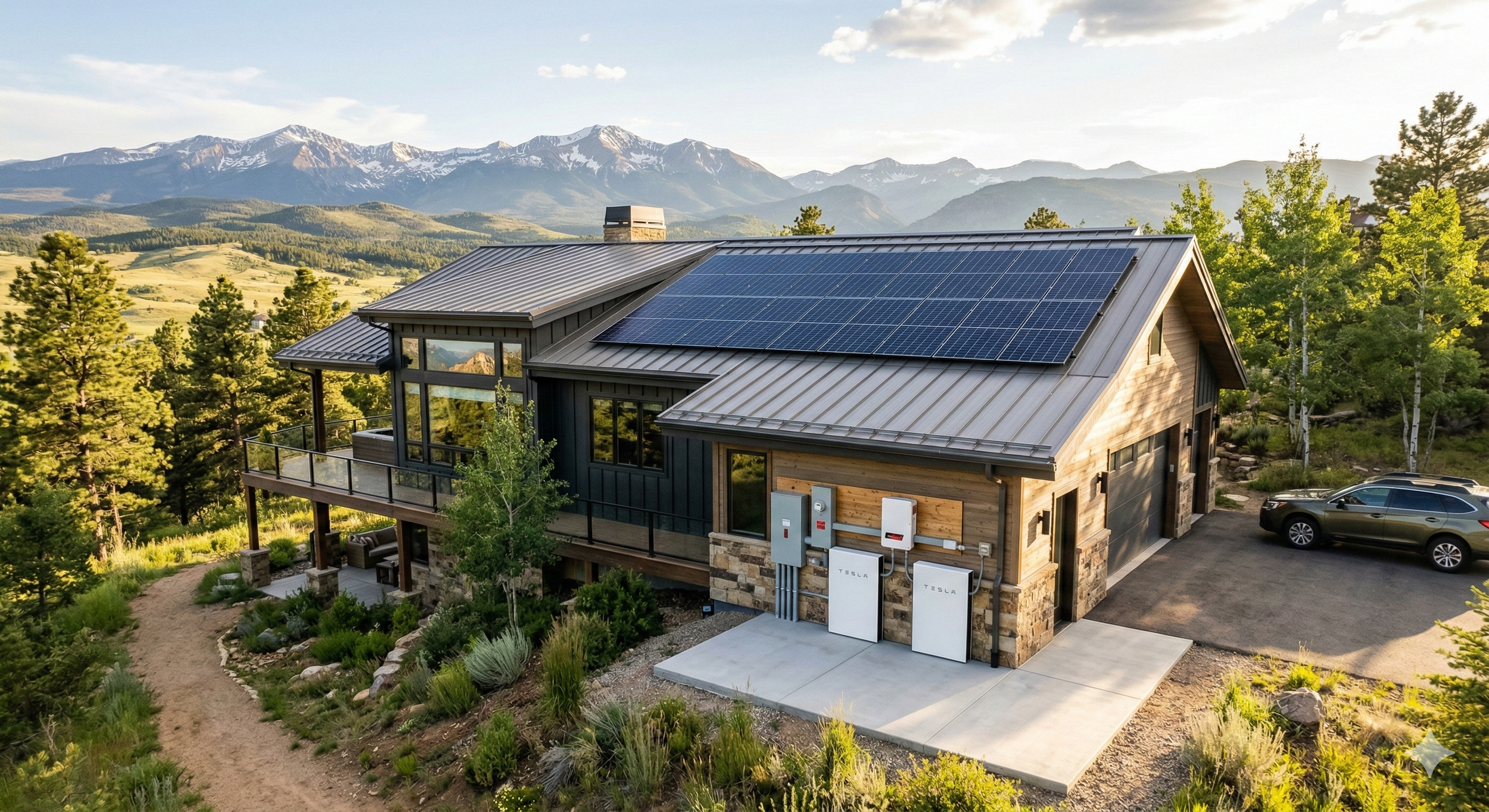
The Federal Solar Tax Credit Is Gone. Here's How Colorado Homeowners Still Get 30% Off in 2026.
The 30% federal solar tax credit expired at the end of 2025. But Denver homeowners can still get 30% off their solar system — applied up front, no tax filing required. Here's how Cascade's ESA program works and why solar still makes financial sense in 2026.
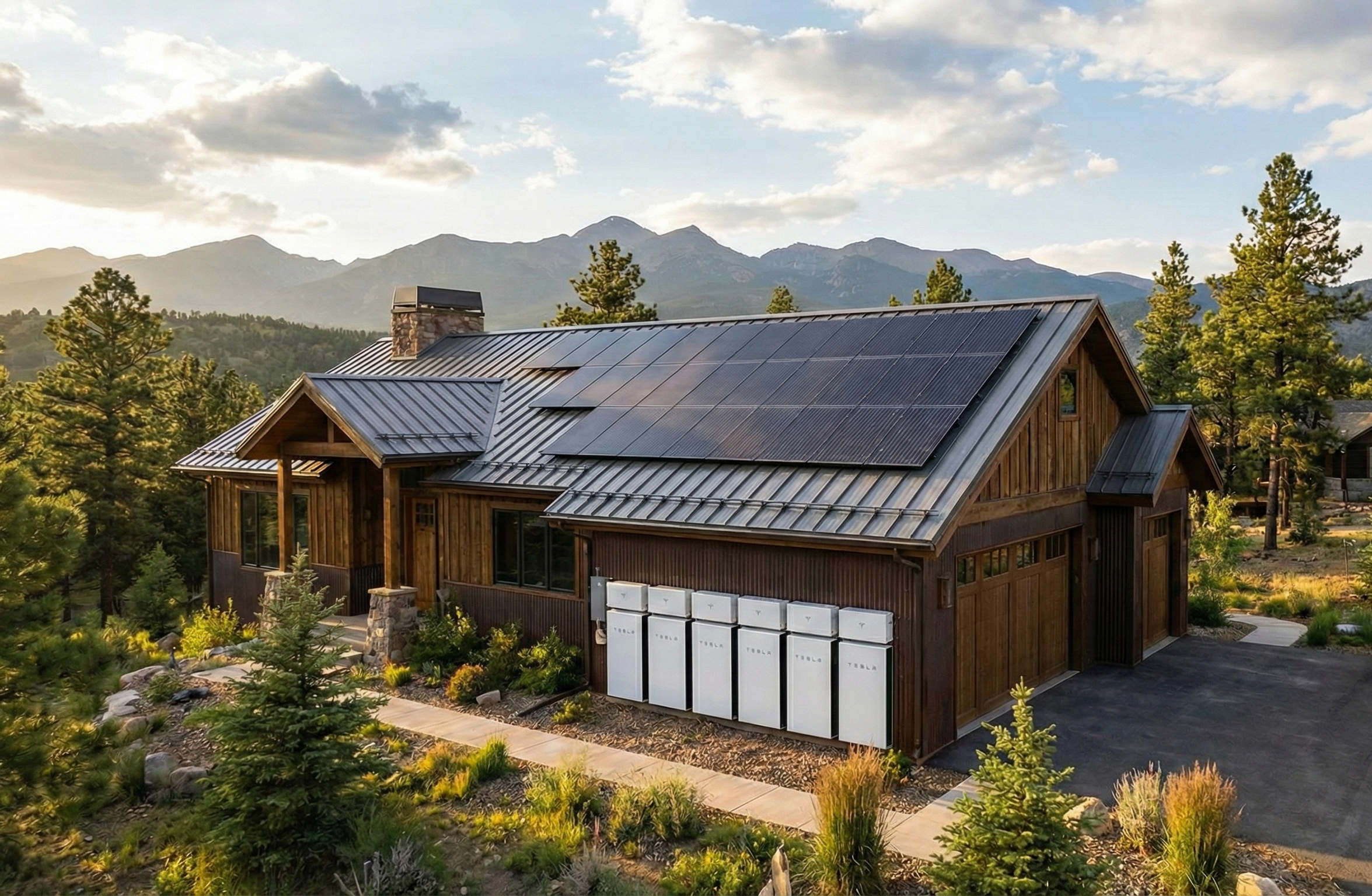
If you've been thinking about going solar and just found out the federal tax credit is gone, you're probably wondering whether it still makes financial sense. It's a fair question. The 30% residential Investment Tax Credit was one of the biggest reasons people pulled the trigger on solar — and now it's not coming back.
But here's what most Denver homeowners don't know yet: the savings didn't disappear. They just moved.
There's a program available right now that delivers up to 30% off your solar system cost — applied immediately, at the start of your project, with no tax filing required. It's called an Energy Service Agreement, and it's the reason going solar in Denver in 2026 still makes as much financial sense as it ever did.
What Happened to the Federal Solar Tax Credit
President Trump's "Big Beautiful Bill," signed into law in 2025, ended the residential solar Investment Tax Credit (ITC) effective December 31, 2025 — nearly a decade ahead of its originally scheduled expiration.
For homeowners who installed solar before that deadline, nothing changes. Their systems are grandfathered in and continue performing exactly as expected.
For everyone else, the path to affordable solar looks different now. The ITC is gone. But the underlying financial mechanism that made it valuable — a 30% reduction in your system cost — still exists. It just works through a different structure.
How the ESA Program Delivers 30% Off Without a Tax Credit
The Energy Service Agreement (ESA) is a financing structure that lets Denver homeowners receive up to 30% savings on their solar and battery system, applied up front at the time of purchase.
Here's the short version of how it works:
When you purchase solar through the ESA program, a trusted third-party partner temporarily co-owns the system with you. That third party is able to claim commercial-level federal tax incentives — which are still available and still worth 30% — and passes those savings directly back to you as a discount on your project cost. You pay less on day one. Cascade designs and installs your system. And after six years, full ownership transfers to you automatically, at no additional cost.
No tax filing. No waiting for a refund. No eligibility requirements. The savings are applied before your installation even begins.
What This Actually Looks Like in Practice
Let's say your solar system is quoted at $28,000.
Under the old ITC, you'd pay $28,000 upfront and then file for a $8,400 tax credit the following April — assuming you owed enough in federal taxes to use the full credit, which not every homeowner does.
Under the ESA program, up to 30% is taken off the top. You pay closer to $19,600 from the start. No tax filing. No waiting. No uncertainty about whether you'll actually get the refund.
For many Denver homeowners, the ESA program results in a lower effective cost than the old tax credit approach — especially for those who weren't certain they could fully utilize the ITC anyway.
The Ownership Timeline — Clearly Explained
One of the most common questions we get about this program is about ownership. Here's exactly how it works:
From day one through year six: Your system is co-owned between you and the third-party ESA partner. Cascade installs and maintains the system. You receive all the energy benefits — lower utility bills, backup power if you've added battery storage, and the satisfaction of running your home on clean energy.
After year six: Full ownership automatically transfers to you. No buyout. No balloon payment. No surprise fees. The system is yours, free and clear, for the remaining 20-plus years of its productive life.
There is no lien placed on your home. If you sell your house before year six, the agreement transfers to the new owner — similar to how other solar arrangements are handled.
Is the ESA Program Right for You?
The ESA is a strong fit for Denver homeowners who:
Want the lowest possible upfront cost for a solar system they'll eventually own
Aren't sure they can fully utilize a tax credit due to their tax situation
Want to move forward now without waiting or worrying about future incentive availability
Are interested in solar paired with battery backup for outage protection
It's not the only path to solar ownership — Cascade also offers traditional financing and outright purchase options. But for many homeowners navigating the post-ITC landscape, the ESA is the clearest, most straightforward route to getting solar installed at a price that makes sense.
Why Denver Still Makes Sense for Solar in 2026
Even without the federal residential tax credit, Colorado remains one of the best states in the country for solar. Denver averages more than 300 days of sunshine per year — more than Miami, more than Houston. Xcel Energy rates are rising, with a proposed 9.9% rate increase on the horizon for 2026. And homes with solar continue to sell faster and at higher values than comparable homes without it.
The financial case for solar hasn't weakened. The mechanism for capturing the savings has just changed — and the ESA program is how you access those savings today.
How to Find Out if You Qualify
Cascade's free solar assessment takes about two to three minutes and tells you whether your home qualifies for the ESA program. There's no cost, no obligation, no in-home visit unless you want one, and no impact to your credit.
If you qualify, you'll receive a detailed proposal showing your system design, the up-front cost after the ESA discount is applied, and your estimated energy savings over time.
See if you qualify for the ESA program here →
We're a locally owned, owner-operated company that has been installing solar in Denver since 2010. No high-pressure sales. Just real numbers and honest advice about what makes sense for your home.
Cascade Solar & Electric serves Denver, Lakewood, Englewood, Littleton, Aurora, Centennial, Westminster, Arvada, Thornton, and the surrounding metro area as well as mountain communities including Evergreen, Conifer, and Golden. Licensed electrical contractors. NABCEP certified. Free assessments available now.

Trump Ends Federal Solar Tax Credit Early: What It Means for Homeowners and what to do now
President Trump’s “Big Beautiful Bill” ends the 30% federal solar tax credit after 2025—years ahead of schedule. Learn what that means for your energy options, how much it could cost you, and why acting now is the smartest move homeowners can make.

Image courtesy of Opening Bell Daily
In a move that surprised much of the renewable energy industry, President Trump recently signed the “Big Beautiful Bill,” a sweeping legislative package that, among other things, accelerates the end of the federal solar tax credit.
This 30% tax incentive, long considered one of the most powerful tools in making rooftop solar affordable for homeowners, will now expire on December 31, 2025—nearly a decade earlier than originally planned.
If you’ve been thinking about solar but waiting for the “right time,” that moment just became right now.
What Is the Federal Solar Tax Credit—and Why Does It Matter?
The Federal Investment Tax Credit (ITC) allows homeowners to deduct 30% of the total cost of a solar energy system from their federal taxes. It’s been a game-changer, shaving thousands off solar installations and making clean energy accessible for the average household.
Right now, a typical 11-kilowatt solar array costs around $28,160 before incentives, according to EnergySage. With the 30% tax credit applied, that price drops to roughly $20,000. But after 2025, with the credit gone? You’ll be paying full price—no exceptions.
That’s not just a budget issue—it could put solar out of reach for tens of thousands of American homeowners.
Electricity Demand Is Surging—Just as Solar Support Fades
If the policy shift wasn’t enough, there’s another looming issue: electricity demand is about to explode.
Thanks to the rapid growth of AI data centers and digital infrastructure, experts are forecasting a 130% increase in electricity consumption by 2030. Without sufficient rooftop solar adoption to help relieve grid pressure, utilities will need to build out costly infrastructure—and guess who funds that?
You, the ratepayer. Expect higher utility bills and more volatility as utilities scramble to meet growing demand—without the solar adoption that could’ve helped offset it.
Already Have Solar Panels? Here’s What It Means for You
If you already have solar installed and have claimed the tax credit, you’re in a great position. Your system is grandfathered into the current policy, and you’ll continue to enjoy the savings, performance, and peace of mind your setup offers.
Even better? As energy prices rise, your investment becomes more valuable—delivering a faster return than you may have originally planned.
Those who secured solar installations over the past few years, especially when equipment prices and interest rates were lower, will likely emerge as the real winners of this policy shift.
If You’re Considering Solar:
Start your solar journey now.
With a looming deadline, installation timelines will stretch. It typically takes 2–4 months from quote to installation, and experts expect a late-2025 installation rush that could lead to delays, higher prices, and missed opportunities.
Waiting until the last minute could mean missing out altogether.
If You Already Have Solar:
Think about battery storage.
Adding energy storage (ESS) while state and local incentives are still active is a smart way to make your system even more resilient. With grid instability on the rise, backup power is becoming essential, not optional.
If Solar Isn’t Feasible for You:
Focus on efficiency.
Solar isn’t the only way to reduce your energy costs. Upgrading insulation, investing in smart thermostats, and swapping in efficient appliances can make a big impact—with a smaller upfront investment.
The Bottom Line: Solar Is Still a Smart Move—But Timing Is Critical
This new policy reality changes the landscape. The financial case for solar remains strong—but only if you act before the credit disappears.
Whether you're looking to reduce your utility bills, gain energy independence, or increase your home’s value, waiting is no longer an option. The sooner you move, the better your chances of securing meaningful savings and a reliable energy future.