
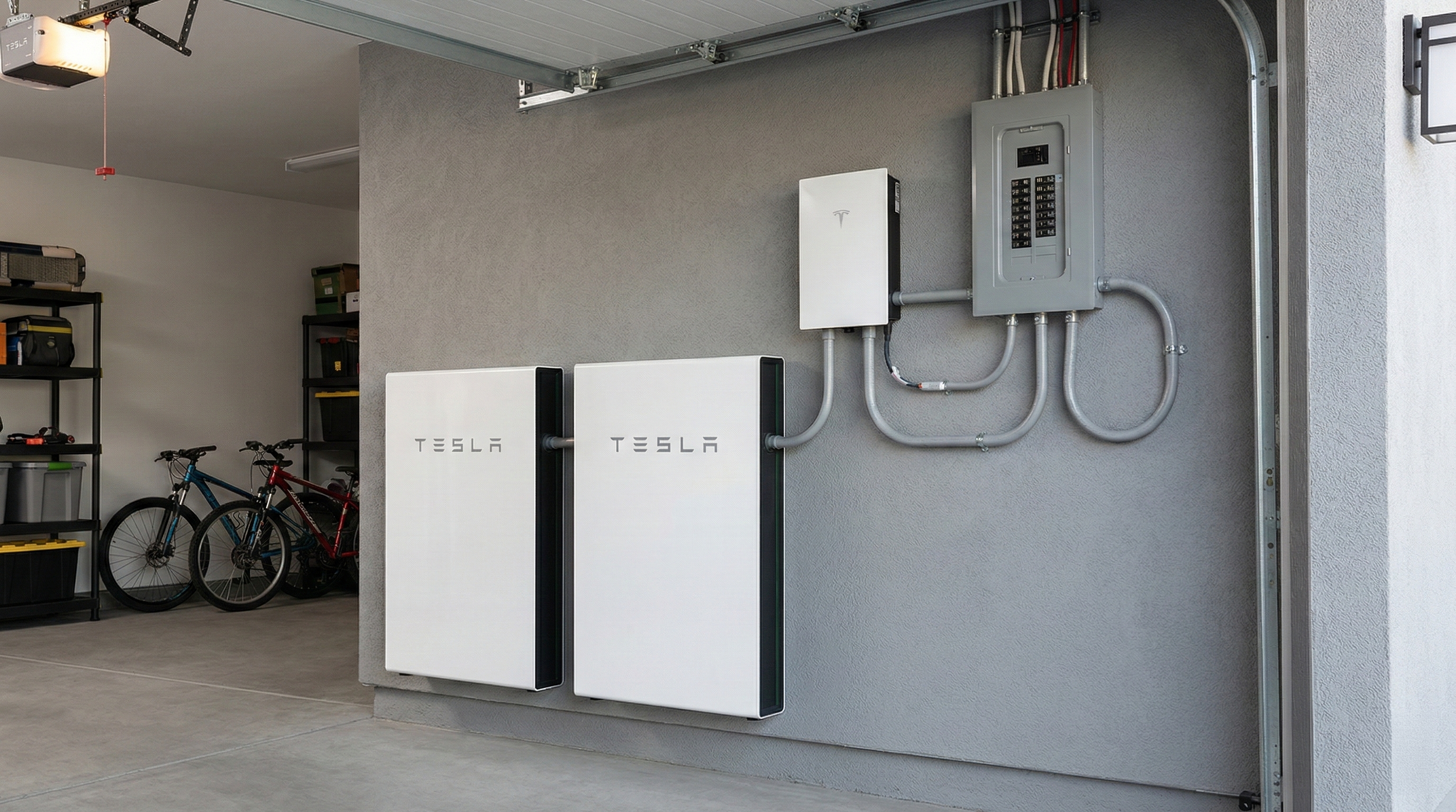
Tesla Powerwall Installation in Denver: What to Know, What It Costs, and Who to Call
Tesla Powerwall installation in Denver — what it costs, what to expect, and how to get 30% off upfront. Cascade Solar & Electric installs Powerwalls across the Denver metro.
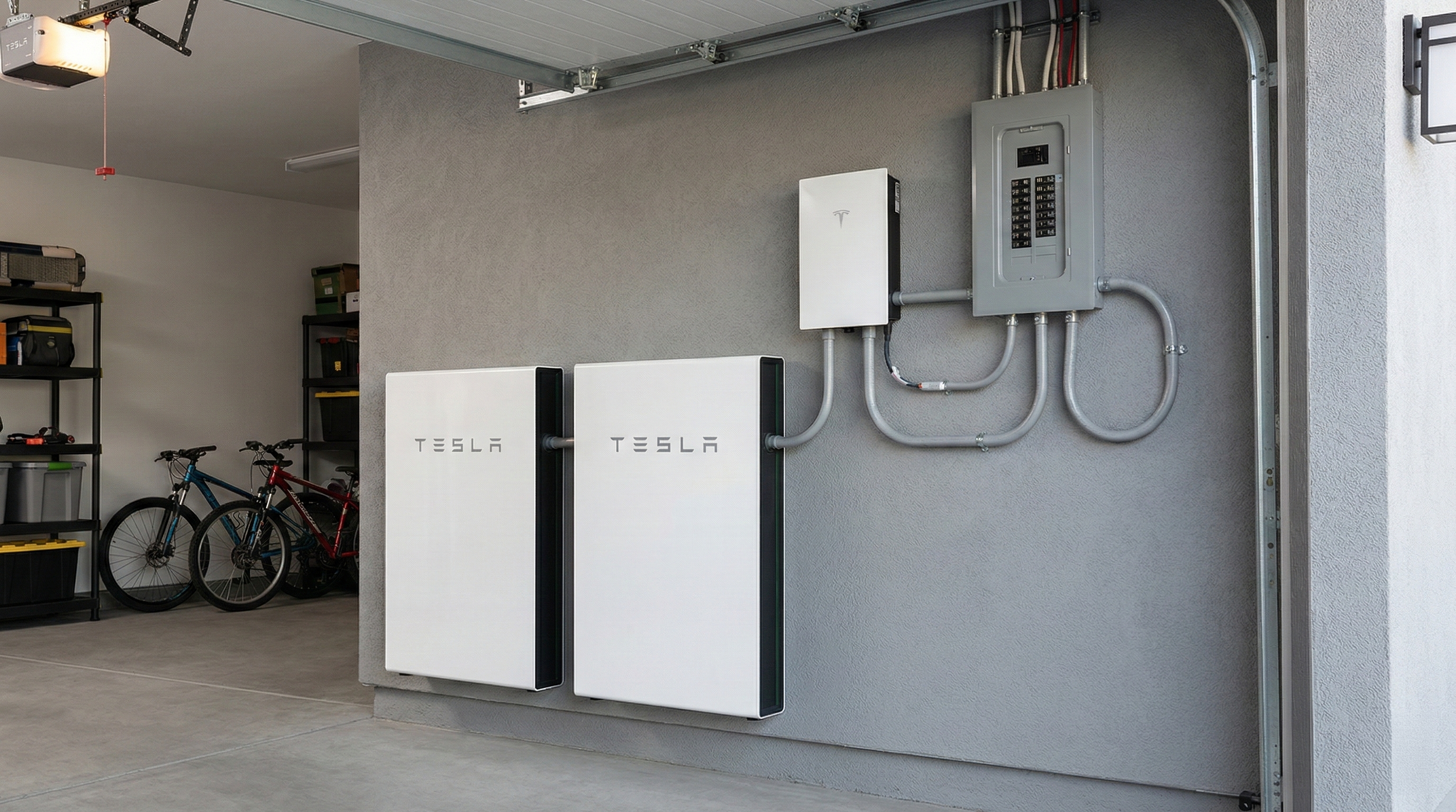
If you've been researching home battery backup, you've probably already come across the Tesla Powerwall. It's the most recognized name in residential energy storage — sleek, smart, and capable of keeping your home running through an outage without you lifting a finger.
But there's a difference between knowing you want a Powerwall and knowing how to get one installed correctly. In Denver, that difference matters more than people realize — because battery storage is an electrical project, not just a solar add-on, and who installs it determines how well it performs and how long it lasts.
Here's everything Denver homeowners need to know.
What the Tesla Powerwall Actually Does
The Powerwall is a wall-mounted home battery system that stores electricity and automatically delivers it to your home when you need it most — during a power outage, at night when your solar panels aren't producing, or during peak rate hours when utility electricity is most expensive.
When the grid goes down, the Powerwall detects the outage in a fraction of a second and switches your home to battery power seamlessly. Most homeowners don't even notice the transition. The lights stay on. The refrigerator keeps running. If you work from home, your internet and devices stay live.
The current model — the Powerwall 3 — delivers 11.5 kWh of usable energy storage and 11.5 kW of continuous power output, making it capable of running most Denver homes through a typical overnight outage on a single unit. Larger homes or longer outages may call for multiple units stacked together.
Solar-Paired vs. Standalone Installation
One of the most common questions we get is whether you need solar panels to install a Powerwall. The answer is no — but pairing them together is where the system really shines.
Standalone Powerwall (no solar): The battery charges from the grid during off-peak hours when electricity rates are lower, then discharges during peak hours or outages. You get outage protection and some rate management, but you're still dependent on the grid for charging.
Solar-Paired Powerwall: Your solar panels charge the battery during the day using free energy from the sun. At night or during an outage, the battery powers your home from that stored solar energy. This is the full energy independence setup — your home generates its own power, stores what it doesn't use, and runs on its own reserves when the grid fails.
For most Denver homeowners, the solar-paired option delivers the strongest long-term return. Colorado's 300-plus days of sunshine per year means your panels are charging that battery almost every day of the year.
What Does Powerwall Installation Cost in Denver?
Pricing varies depending on the size of your home, how many units you need, and whether you're adding solar at the same time. Here are realistic ballpark figures for the Denver market:
Single Powerwall 3 (standalone, no solar): Typically ranges from $12,000 to $16,000 fully installed, including electrical work, permitting, and utility coordination.
Single Powerwall 3 paired with a new solar system: Typically ranges from $28,000 to $45,000 depending on system size, before any applicable incentives or programs.
Multiple Powerwall units: Each additional unit adds to the base cost but reduces the per-unit price when installed together.
It's worth asking about current incentive programs during your assessment — available savings depend on your project type and timing, and we walk through every option with you.
Why Installation Quality Matters More Than People Think
A Powerwall isn't just a battery you plug into the wall. It connects directly to your home's electrical panel, requires a dedicated gateway device, integrates with your solar inverter if applicable, and needs to be programmed to match your home's specific energy usage patterns.
Done right, it's one of the most reliable pieces of equipment you can add to your home. Done poorly, it can trip breakers, fail to switch over during outages, or underperform year after year.
This is why the installer matters as much as the product itself.
Cascade Solar & Electric installs Powerwall systems as licensed electrical contractors — not just solar installers. Every battery installation we do is handled in-house by our own team, permitted through the city, inspected, and coordinated with Xcel Energy for grid interconnection. No subcontractors. No handoffs. The same team that sizes your system is the team that installs and commissions it.
What the Installation Process Looks Like
For Denver homeowners, here's what the process typically looks like from start to finish:
Step 1 — Free home assessment We evaluate your home's electrical panel, energy usage, roof (if adding solar), and outage protection goals. We design a system specific to your home — not a one-size-fits-all package.
Step 2 — Proposal and options You receive a detailed proposal with system specs, itemized costs, and projected performance. No pressure, no sales tactics — just clear numbers so you can make an informed decision.
Step 3 — Permitting and scheduling We handle all permitting with the City of Denver and coordinate with Xcel Energy for any required utility approvals. This typically takes two to four weeks.
Step 4 — Installation Our licensed electricians install the Powerwall gateway, connect the battery to your panel, wire any solar components, and commission the system. Most installations are completed in one to two days.
Step 5 — Monitoring and support Once live, you can monitor your system's performance in real time through the Tesla app. We remain available for any questions, service needs, or future upgrades.
Powerwall and the Xcel Energy Rebate
Xcel Energy has offered rebate programs for qualifying battery installations in Colorado. Program availability changes frequently. We stay current on what's available and will confirm exact rebate amounts during your assessment.
Denver Homeowners: Here's the Bottom Line
The Tesla Powerwall is a proven, reliable product that makes genuine sense for Denver homeowners who want outage protection, energy independence, or a smarter way to use their solar production. Colorado's weather — hail, wind, winter storms — makes having a backup power source less of a luxury and more of a practical decision.
What matters is getting it installed correctly by a team that knows both the electrical side and the solar side of the equation.
Schedule your free Powerwall assessment here →
We serve Denver, Lakewood, Englewood, Littleton, Aurora, Centennial, Westminster, Arvada, Thornton, and the surrounding metro area. Licensed electricians. Local team. No subcontractors. Free assessments with no obligation.
Cascade Solar & Electric has been installing solar and battery systems across the Denver metro since 2010. We are licensed electrical contractors and certified installers of Tesla Powerwall and other leading battery storage systems.

Can Colorado’s Grid Keep Up? Why More Homeowners Are Turning to Battery Backup
Colorado homeowners are experiencing longer, more frequent power outages as demand on the electric grid grows. Learn how battery backup systems can protect your home from blackouts—and how adding solar can give you true energy independence.
Colorado’s population continues to rise, with new homes and developments popping up to meet the demand. But there’s one big question on the horizon: Can our electric grid keep up?
Recent data suggests… maybe not.
Colorado’s Power Grid Is Under Pressure
Electricity demand is rising fast, and our aging infrastructure is struggling to keep pace. The effects are already hitting homeowners across the state. In fact, power outages are becoming not only more frequent—but significantly longer.
According to recent data, the average Xcel Energy customer in Colorado experienced nearly 6 hours of outage time in 2024. That’s a major spike from the 166-minute annual average seen across the previous decade. It’s not just one-off storms or flukes anymore—it’s a pattern.
Even worse, customer service wait times are growing, leaving many Colorado residents in the dark—both literally and figuratively—when issues arise. As climate events increase and the load on our grid grows, this trend isn’t likely to reverse anytime soon.
The Best Way to Prepare for an Outage? Avoid It Completely
Xcel Energy and other providers offer standard outage prep checklists—flashlights, backup phone chargers, and emergency kits—but let’s be honest: what you really want is to keep the lights on.
Rather than prepare for an outage, why not install a system that prevents one from affecting you in the first place? This is where battery backup systems come in.
What Is a Battery Backup System—and Why Is It a Game Changer?
Also called Energy Storage Systems (ESS), battery backups are cutting-edge home energy solutions that automatically provide power to your home during an outage. When the grid fails, the battery kicks in instantly to deliver electricity to your home’s essential circuits.
Modern systems are so seamless, you won’t even notice the switchover. There’s no fumbling with switches or waiting for a generator to fire up. The transition is instant, clean, and quiet.
Battery systems are also a smart option for families with medical needs, remote workers, or anyone who relies on stable, 24/7 power. And they’re more affordable and reliable than ever before.
Add Solar for a Complete, Resilient Home Energy Solution
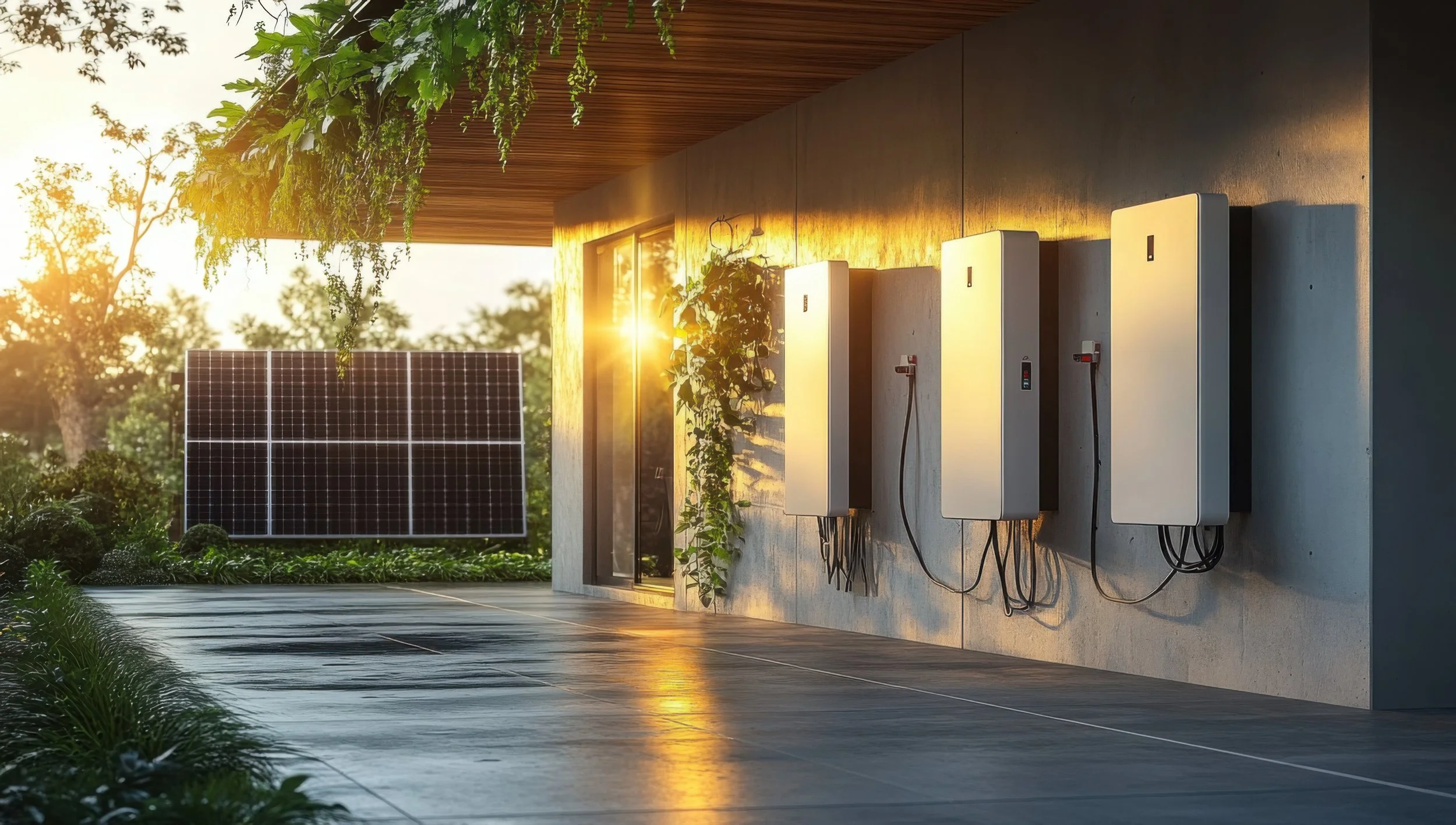
If you want to take things even further, pair your battery with a solar energy system. Together, they create a powerful loop: solar panels charge your battery during the day, and your battery powers your home when the sun goes down or the grid goes out.
When combined with thoughtful energy use, this setup can keep your home running for days without touching the grid. It’s energy resilience, financial security, and peace of mind—all in one.
Ready to Take Control of Your Power?
Whether you're already generating solar power and want to add a battery backup, or you're just beginning to explore your home's solar + storage potential, we're here to help.
Our team specializes in designing and installing custom solar and battery solutions tailored to Colorado homeowners who want reliability in an increasingly uncertain energy future.
Get in touch to schedule a free energy consultation and explore what’s possible.