
The Federal Solar Tax Credit Is Gone. Here's How Colorado Homeowners Still Get 30% Off in 2026.
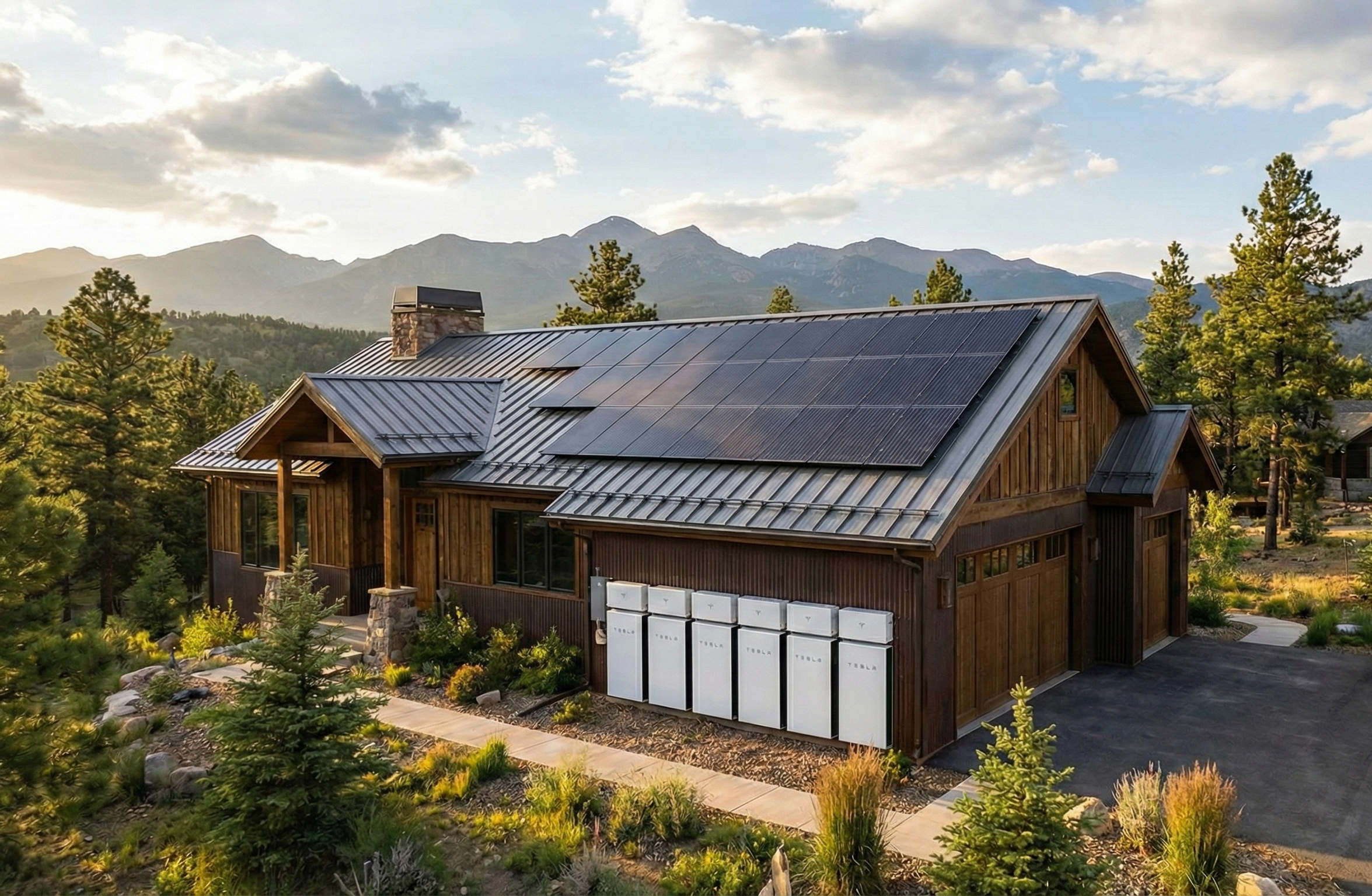
If you've been thinking about going solar and just found out the federal tax credit is gone, you're probably wondering whether it still makes financial sense. It's a fair question. The 30% residential Investment Tax Credit was one of the biggest reasons people pulled the trigger on solar — and now it's not coming back.
But here's what most Denver homeowners don't know yet: the savings didn't disappear. They just moved.
There's a program available right now that delivers up to 30% off your solar system cost — applied immediately, at the start of your project, with no tax filing required. It's called an Energy Service Agreement, and it's the reason going solar in Denver in 2026 still makes as much financial sense as it ever did.
What Happened to the Federal Solar Tax Credit
President Trump's "Big Beautiful Bill," signed into law in 2025, ended the residential solar Investment Tax Credit (ITC) effective December 31, 2025 — nearly a decade ahead of its originally scheduled expiration.
For homeowners who installed solar before that deadline, nothing changes. Their systems are grandfathered in and continue performing exactly as expected.
For everyone else, the path to affordable solar looks different now. The ITC is gone. But the underlying financial mechanism that made it valuable — a 30% reduction in your system cost — still exists. It just works through a different structure.
How the ESA Program Delivers 30% Off Without a Tax Credit
The Energy Service Agreement (ESA) is a financing structure that lets Denver homeowners receive up to 30% savings on their solar and battery system, applied up front at the time of purchase.
Here's the short version of how it works:
When you purchase solar through the ESA program, a trusted third-party partner temporarily co-owns the system with you. That third party is able to claim commercial-level federal tax incentives — which are still available and still worth 30% — and passes those savings directly back to you as a discount on your project cost. You pay less on day one. Cascade designs and installs your system. And after six years, full ownership transfers to you automatically, at no additional cost.
No tax filing. No waiting for a refund. No eligibility requirements. The savings are applied before your installation even begins.
What This Actually Looks Like in Practice
Let's say your solar system is quoted at $28,000.
Under the old ITC, you'd pay $28,000 upfront and then file for a $8,400 tax credit the following April — assuming you owed enough in federal taxes to use the full credit, which not every homeowner does.
Under the ESA program, up to 30% is taken off the top. You pay closer to $19,600 from the start. No tax filing. No waiting. No uncertainty about whether you'll actually get the refund.
For many Denver homeowners, the ESA program results in a lower effective cost than the old tax credit approach — especially for those who weren't certain they could fully utilize the ITC anyway.
The Ownership Timeline — Clearly Explained
One of the most common questions we get about this program is about ownership. Here's exactly how it works:
From day one through year six: Your system is co-owned between you and the third-party ESA partner. Cascade installs and maintains the system. You receive all the energy benefits — lower utility bills, backup power if you've added battery storage, and the satisfaction of running your home on clean energy.
After year six: Full ownership automatically transfers to you. No buyout. No balloon payment. No surprise fees. The system is yours, free and clear, for the remaining 20-plus years of its productive life.
There is no lien placed on your home. If you sell your house before year six, the agreement transfers to the new owner — similar to how other solar arrangements are handled.
Is the ESA Program Right for You?
The ESA is a strong fit for Denver homeowners who:
Want the lowest possible upfront cost for a solar system they'll eventually own
Aren't sure they can fully utilize a tax credit due to their tax situation
Want to move forward now without waiting or worrying about future incentive availability
Are interested in solar paired with battery backup for outage protection
It's not the only path to solar ownership — Cascade also offers traditional financing and outright purchase options. But for many homeowners navigating the post-ITC landscape, the ESA is the clearest, most straightforward route to getting solar installed at a price that makes sense.
Why Denver Still Makes Sense for Solar in 2026
Even without the federal residential tax credit, Colorado remains one of the best states in the country for solar. Denver averages more than 300 days of sunshine per year — more than Miami, more than Houston. Xcel Energy rates are rising, with a proposed 9.9% rate increase on the horizon for 2026. And homes with solar continue to sell faster and at higher values than comparable homes without it.
The financial case for solar hasn't weakened. The mechanism for capturing the savings has just changed — and the ESA program is how you access those savings today.
How to Find Out if You Qualify
Cascade's free solar assessment takes about two to three minutes and tells you whether your home qualifies for the ESA program. There's no cost, no obligation, no in-home visit unless you want one, and no impact to your credit.
If you qualify, you'll receive a detailed proposal showing your system design, the up-front cost after the ESA discount is applied, and your estimated energy savings over time.
See if you qualify for the ESA program here →
We're a locally owned, owner-operated company that has been installing solar in Denver since 2010. No high-pressure sales. Just real numbers and honest advice about what makes sense for your home.
Cascade Solar & Electric serves Denver, Lakewood, Englewood, Littleton, Aurora, Centennial, Westminster, Arvada, Thornton, and the surrounding metro area as well as mountain communities including Evergreen, Conifer, and Golden. Licensed electrical contractors. NABCEP certified. Free assessments available now.