
Solar Panels for Commercial Buildings: A Smart Energy Investment
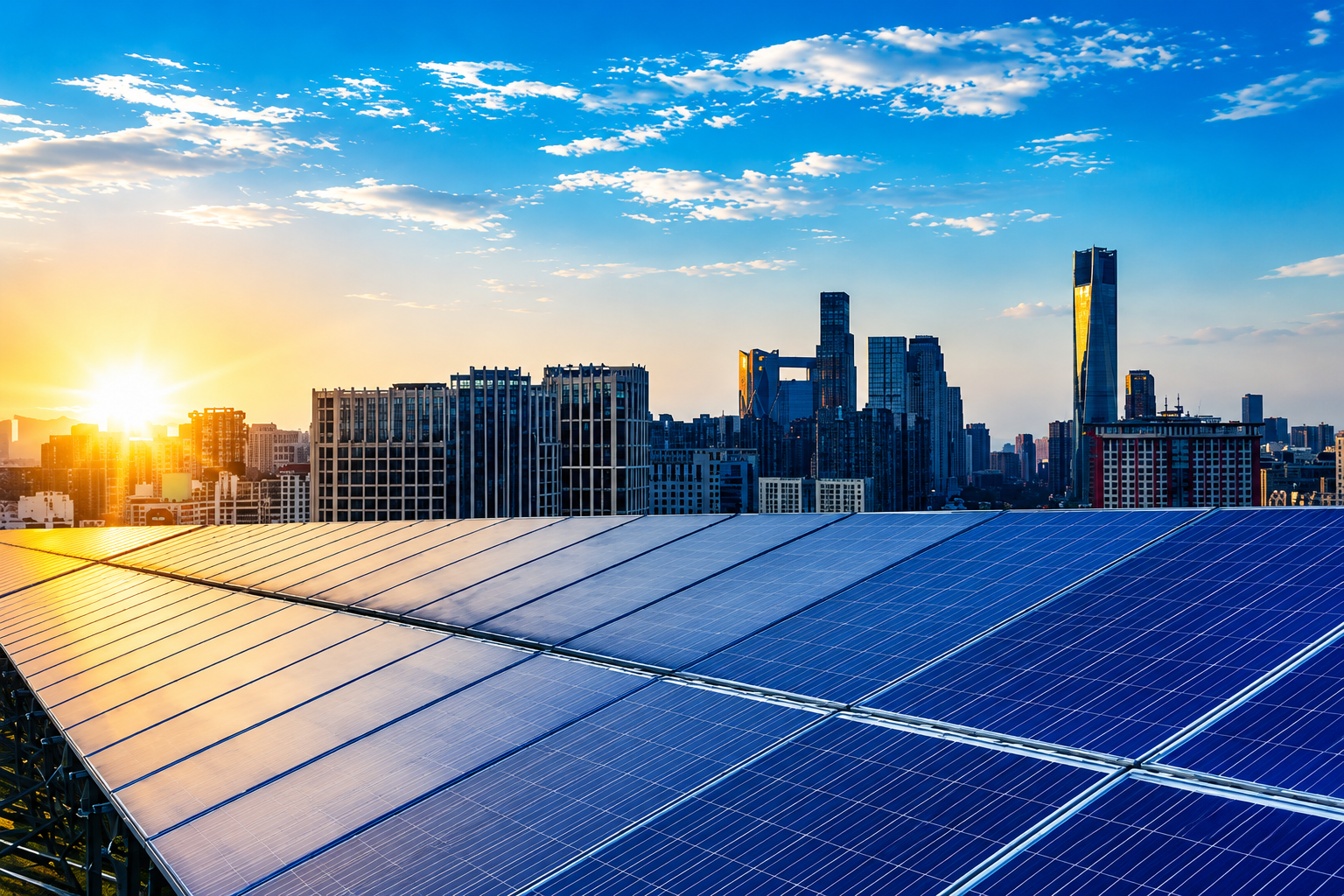
Businesses today are looking for practical ways to control operating costs, improve energy efficiency, and build more resilient properties. Solar panels for commercial buildings can help businesses generate their own electricity while reducing dependence on traditional utility power. From offices and warehouses to retail spaces and multifamily properties, commercial solar can be designed around a building's energy use, available space, and long-term goals.
With the right system design and professional installation, businesses can turn unused rooftop or ground space into a valuable source of renewable energy. Commercial solar can also work alongside battery storage and electrical upgrades to create a more complete energy strategy.
Why Solar Panels for Commercial Buildings?
Commercial properties often consume significant amounts of electricity for lighting, HVAC, equipment, refrigeration, computers, and other operations. As energy costs change, electricity can become a major ongoing business expense.
Installing solar panels for commercial buildings gives businesses an opportunity to generate electricity on-site instead of purchasing all of their power from the grid.
A properly designed system can help businesses:
Reduce electricity expenses
Improve energy efficiency
Offset a portion of grid electricity use
Support sustainability goals
Protect against changing energy costs
Improve the property's long-term energy performance
Solar can be particularly valuable for businesses with large rooftops or predictable daytime electricity demand. A professional assessment can determine whether a property has suitable roof space, electrical capacity, and solar potential.
Benefits of a Commercial Solar System
A commercial solar system is more than a collection of panels. It is an integrated energy solution designed around the needs of a specific business.
Lower Operating Costs
Generating electricity on-site can reduce the amount of energy a business needs to purchase from its utility provider. Over time, these savings can contribute to a stronger return on the solar investment.
Better Energy Independence
Commercial solar gives businesses greater control over where their electricity comes from. While grid power can remain part of the energy mix, generating power on-site can reduce reliance on conventional electricity sources.
Support for Sustainability Goals
Businesses are increasingly focused on reducing environmental impact and improving the efficiency of their buildings. Solar power provides a practical way to increase renewable energy use while supporting broader sustainability initiatives.
Potential Property Value and Tenant Appeal
Energy-efficient commercial properties can be more attractive to tenants, customers, and investors. Solar can become part of a property's long-term value proposition while helping demonstrate a commitment to responsible energy use.
Commercial Solar Panel Installation Process
Professional commercial solar panel installation requires more than mounting panels on a roof. The system needs to be carefully evaluated, designed, permitted, installed, and connected.
A typical project includes the following stages:
1. Consultation and Site Assessment
The process begins with an evaluation of the property, energy usage, roof space, electrical infrastructure, and project objectives. This helps determine whether solar is feasible and what system configuration makes sense.
2. Custom System Design
A solar system should be designed according to the property's actual energy requirements. System size, panel placement, electrical infrastructure, and future energy needs all need to be considered.
3. Permitting and Utility Coordination
Commercial solar projects may require permits, inspections, code compliance, and utility interconnection. Managing these requirements properly can help prevent unnecessary project delays.
4. Professional Installation
Experienced solar professionals install the equipment according to the approved design and applicable safety requirements. Quality workmanship is essential for reliable system performance.
5. Monitoring and Support
After installation, system monitoring can help identify performance issues and ensure the system continues operating as intended. Ongoing maintenance and professional support can protect the investment over time.
The Importance of Commercial Solar Battery Storage
Solar panels generate electricity when sunlight is available, but businesses do not always use energy at exactly the same time it is produced. Commercial solar battery storage can help address this challenge by storing available energy for later use.
Battery storage can provide several advantages, including:
Storing excess solar generation
Supporting energy use during periods of lower solar production
Helping manage peak electricity demand
Providing backup power for selected loads
Improving overall energy resilience
For businesses where uninterrupted electricity is especially important, battery storage can be an important part of a broader energy strategy. The right battery solution depends on the property's energy profile, solar production, electrical infrastructure, and backup requirements.
Why Choose Cascade Solar & Electric?
Selecting the right commercial solar contractor is an important part of the investment. Cascade Solar & Electric provides commercial solar, battery storage, and electrical contracting services designed around the needs of business properties.
The company manages projects from feasibility and system design through permitting, installation, utility coordination, monitoring, and ongoing support. Its team combines solar installation and electrical expertise, allowing commercial projects to be approached as complete energy solutions rather than isolated installations.
Whether a business is considering rooftop solar, battery storage, electrical upgrades, or a combination of energy improvements, a customized approach can help ensure the solution aligns with the property's operational requirements.
Conclusion: Take the Next Step Toward Smarter Energy
Investing in solar panels for commercial buildings can help businesses reduce energy expenses, improve efficiency, and make better use of renewable power. When combined with a properly designed commercial solar system and, where appropriate, commercial solar battery storage, businesses can create a more resilient and efficient energy strategy.
Ready to explore whether commercial solar is right for your property? Cascade Solar & Electric can evaluate your building, energy needs, and project goals and help you identify a practical path forward.
Frequently Asked Questions
1. Are solar panels suitable for every commercial building?
Not every property has the same solar potential. Roof condition, available space, shading, energy consumption, electrical infrastructure, and local requirements should be evaluated before installation.
2. How does a commercial solar system reduce electricity costs?
A solar system generates electricity on-site, which can reduce the amount of electricity a business needs to purchase from the utility grid.
3. Can commercial solar panels be installed on existing buildings?
Yes. Existing offices, warehouses, retail properties, and other commercial buildings can often accommodate rooftop solar after a professional structural and electrical assessment.
4. What is the purpose of commercial solar battery storage?
Battery storage allows businesses to store available energy and use it later. Depending on the system, it can also support peak demand management and backup power.
5. How long does commercial solar installation take?
Project timelines vary based on system size, permitting, utility requirements, site conditions, and project complexity. A professional assessment can provide a more accurate timeline.