
Home EV Charger Installation: A Guide for Denver Homeowners
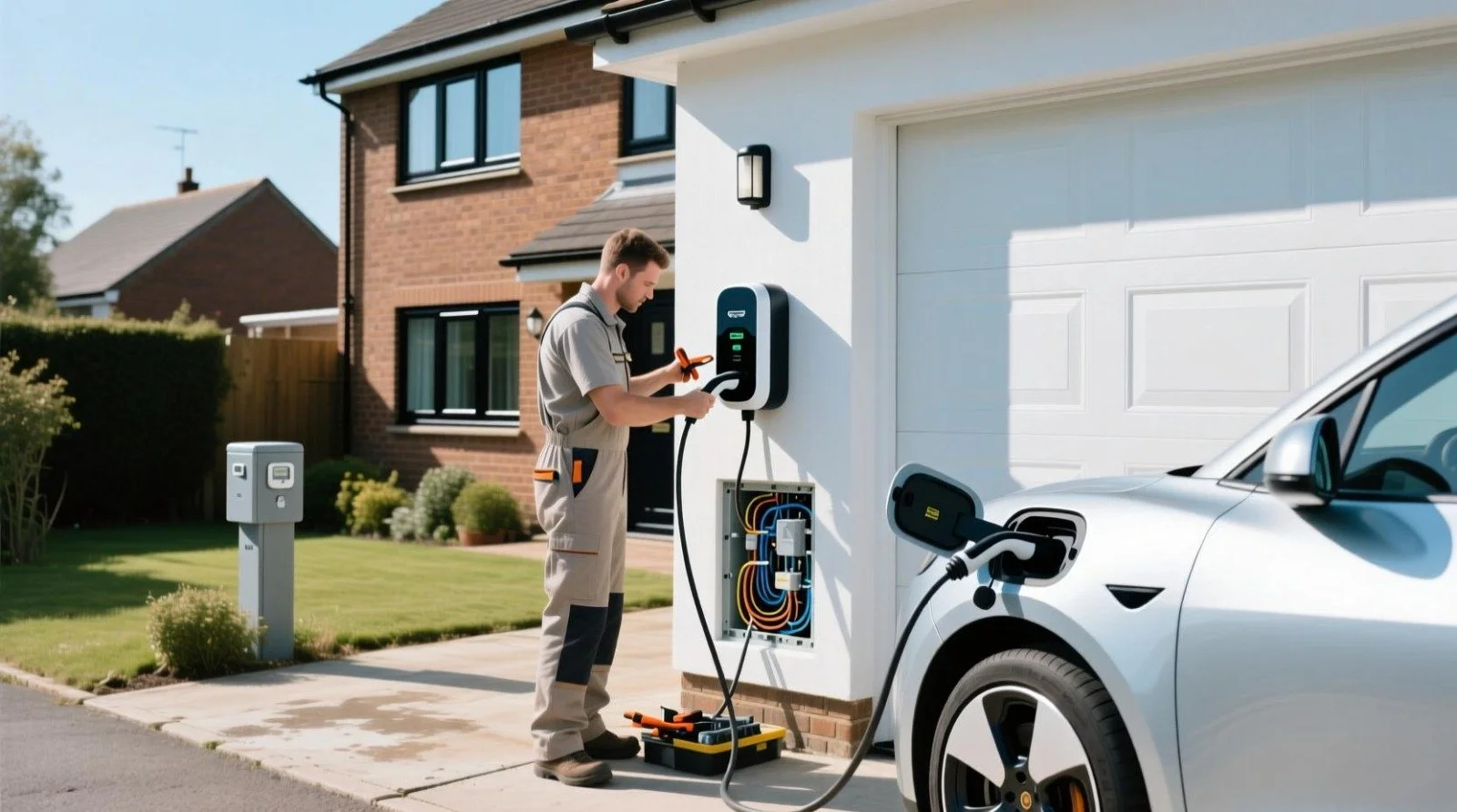
For electric vehicle owners in Denver, charging at home can make everyday driving much easier. Instead of relying on public charging locations after work or during busy schedules, you can simply plug in your vehicle when you get home and have it ready for the next trip.
However, home EV charger installation involves more than choosing a charger and mounting it on the garage wall. Your home's electrical panel, available capacity, wiring route, parking location, and vehicle charging requirements all need to be considered before the installation begins, especially when planning a charging setup for a Denver home.
Whether you recently purchased an EV or are planning to switch to one, understanding how residential charging works can help you choose a safe and practical setup for your home. For Denver homeowners, professional guidance can also help determine whether the existing electrical system is ready for a dedicated EV charger.
Why is home EV charging becoming more popular?
Home charging offers a level of convenience that public charging cannot always provide. When your vehicle is parked overnight, you can use that time to recharge instead of making a separate trip to a charging station.
For many drivers, a Level 2 charger is especially useful because it can provide considerably faster charging than a standard 120-volt household outlet. The right charging speed depends on the vehicle, daily driving habits, and electrical capacity available at the property.
Home charging can also give homeowners more control over when they use electricity. Depending on their utility plan, some drivers may choose to charge during off-peak periods. Homeowners who already have solar panels may also consider using their solar energy to support EV charging.
What should you check before installing an EV charger?
For Denver homeowners, the first step in planning an EV charger is checking the home's existing electrical capacity. Many homes can support a Level 2 charger, but older properties or homes with several high-demand appliances may require an electrical assessment. A qualified electrician can review the electrical panel, available capacity, wiring, and charger location to determine the right setup for your home EV charger installation.
Several factors can affect the installation:
Electrical panel capacity: The panel must be able to safely support the charger's electrical demand.
Available breaker space: An appropriate circuit needs to be accommodated within the electrical system.
Distance from the panel: Longer cable runs can require additional materials and labor.
Charger location: The unit should be positioned conveniently for the vehicle's charging port.
Existing electrical loads: Appliances, HVAC equipment, hot tubs, and other large loads should be considered.
Future upgrades: Planned solar panels, battery storage, or another EV may influence the best setup.
Some newer homes already have suitable electrical infrastructure. Older properties, however, may need additional electrical work before a higher-powered charger can be added.
Which EV charger should you choose for your home?
Not every homeowner needs the same charging equipment. The best option depends on how much you drive, how quickly you want to recharge, and what your electrical system can support.
Level 1 chargers use a standard 120-volt outlet. They are simple to use and may be adequate for drivers with short daily commutes. The drawback is that charging can take considerably longer.
Level 2 chargers use a 240-volt circuit and are a popular choice for homeowners who want faster overnight charging. They are available in different power ratings and configurations, so the charger's capabilities should be matched with the vehicle and home's electrical system.
When comparing equipment, homeowners should consider charging speed, connector compatibility, cable length, indoor or outdoor installation requirements, and smart charging features.
The goal should not simply be to choose the most powerful charger available. A properly sized system is more important for safe and reliable everyday charging.
How does EV charger installation work?
A professional EV charger installation generally starts with an electrical assessment. An electrician reviews the service panel, available capacity, existing circuits, and the location where the charger will be installed.
The next step is determining the best route for the electrical wiring. A charger located close to the panel may require a relatively straightforward installation, while a unit positioned farther away may require a longer wiring run.
Once the requirements are established, the appropriate circuit, protection, wiring, and charging equipment can be selected. Depending on the property and local requirements, permits or inspections may also be necessary.
After the equipment is installed, the system should be tested to make sure the charger is receiving the correct electrical supply and operating properly.
This professional approach can also identify electrical limitations before they become expensive problems.
Can you install an electric car charger at home if you have solar?
Yes. An EV charger does not require a solar energy system to operate. It can be connected directly to the home's electrical system.
However, homeowners with solar may have an opportunity to integrate EV charging into their broader energy strategy. Solar electricity generated during the day can potentially support vehicle charging, while battery storage may provide additional flexibility when solar production is unavailable.
If you are considering solar, battery storage, and an EV charger around the same time, it can be useful to evaluate the home's electrical requirements as a whole. Planning these upgrades together may help avoid unnecessary electrical modifications later.
What affects the cost of home EV charger installation?
The cost of a residential charging project can vary significantly from one home to another. The charger itself is only one part of the overall expense.
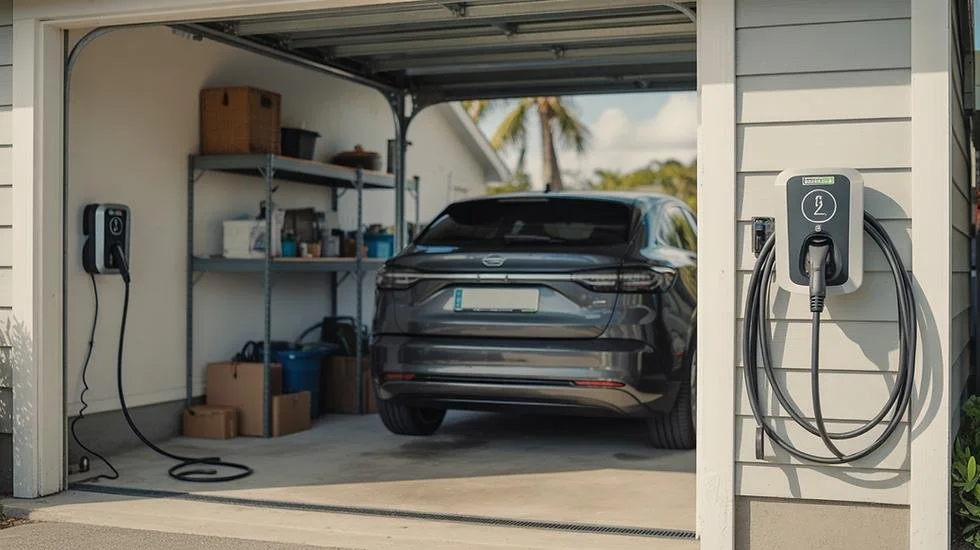
Factors that may influence the project include:
Type and power rating of the charger
Electrical panel capacity
Required circuit and wiring
Distance between the panel and charger
Indoor or outdoor installation
Permit and inspection requirements
Additional electrical upgrades
For example, a charger installed near a suitable electrical panel may involve less work than one requiring a long wiring route or an electrical panel upgrade.
Rather than relying on a general installation price, homeowners can benefit from having their property assessed and receiving a project-specific estimate.
Why does professional installation matter?
For homeowners researching EV charging stations in Denver, a dedicated home charging setup can be a convenient alternative to relying only on public charging locations. A professionally installed system can be sized around the vehicle, daily driving habits, electrical capacity, and parking location, giving Denver homeowners a practical way to charge their EV at home.
Professional installation also gives homeowners an opportunity to address potential issues before the charger is connected. If the panel does not have enough capacity, an electrician can explain available options and determine whether an upgrade or another solution is appropriate.
For homeowners researching EV charging stations denver, choosing an experienced electrical contractor can make the process easier from the initial assessment through final testing.
Cascade Solar & Electric provides electrical and EV charging solutions designed around the specific requirements of each property.
FAQs About Home EV Charging
Do I need a dedicated circuit for an EV charger?
Most Level 2 home chargers require a dedicated 240-volt circuit. An electrician can determine the appropriate circuit requirements based on the selected equipment and the home's electrical system.
Can I use a regular outlet to charge my electric vehicle?
Yes, many EVs can use Level 1 charging through a standard 120-volt outlet. However, charging is much slower than with a Level 2 system, making a dedicated home charger more practical for many regular drivers.
Will I need an electrical panel upgrade?
Not always. Some homes have enough available capacity for an EV charger, while others may require additional electrical work. A professional assessment can determine whether the existing panel can safely handle the new load.
How long does an EV charger installation take?
A straightforward installation may be completed within several hours. Projects requiring longer wiring runs, panel modifications, or other electrical upgrades can take longer.
Is a Level 2 charger worth installing at home?
For homeowners who drive regularly, a Level 2 charger can provide a significant convenience advantage because it can recharge the vehicle much faster than Level 1 charging.
Can I charge two electric vehicles at the same home?
It may be possible, but the home's electrical capacity needs to be evaluated. Depending on the available service, homeowners may need load management, additional circuits, or other electrical solutions.
Is your home ready for an EV charger?
Installing a home charging system is an investment in everyday convenience, but the right setup starts with understanding your home's electrical capabilities. Choosing the charger based on your vehicle and driving habits and having the electrical system evaluated beforehand can help ensure a reliable charging experience.
If you are planning to install an electric car charger at home, a professional electrical assessment can help determine the appropriate equipment, circuit requirements, installation location, and potential upgrades before work begins. With the right planning, charging your EV at home can become a simple part of your daily routine.