
Owning an electric vehicle can make everyday travel more convenient, especially when you can charge at home instead of relying entirely on public charging stations. A dedicated home charging setup lets drivers add energy to their vehicle while it is parked, often overnight or during other periods when the vehicle is not in use.
However, installing a home charger involves more than mounting equipment on a wall. The electrical panel, circuit capacity, wiring route, parking location, and local requirements all affect the installation.
For homeowners considering Tesla Wall Connector installation in Denver, planning ahead can help avoid unexpected electrical work and ensure that the charging equipment is appropriate for the property.
Solar power may also be part of the plan. Homeowners with solar panels can explore ways to coordinate vehicle charging with solar production, although the available options depend on the equipment and charging system.
What Is a Tesla Wall Connector?
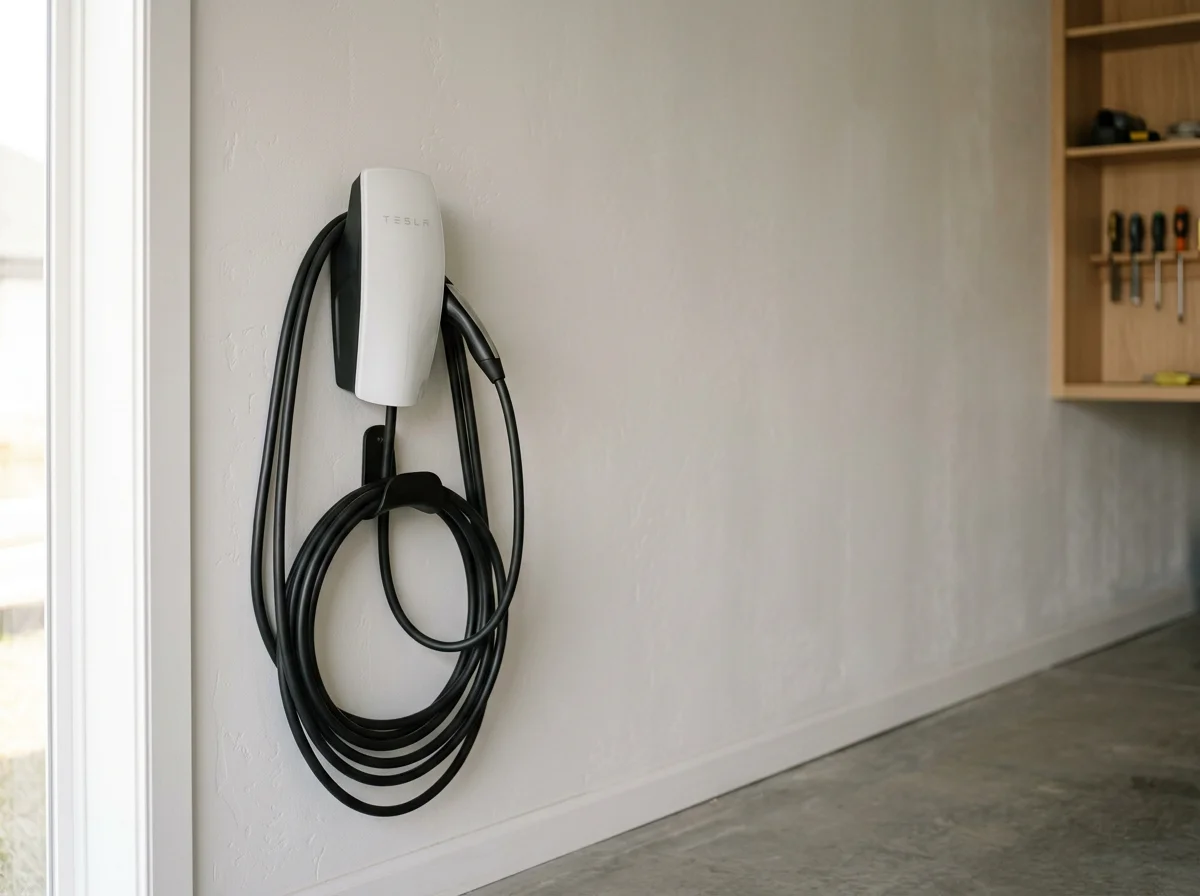
The Tesla Wall Connector is a home charging product designed for compatible Tesla vehicles and other supported electric vehicles, depending on the connector version and regional configuration.
Unlike a standard household outlet, a dedicated home charging installation can be designed around a specific electrical circuit and charging requirement. The actual charging rate depends on the vehicle, the charger, the available circuit capacity, and other conditions.
A Wall Connector does not generate electricity itself. It supplies power from the home's electrical system to the vehicle, subject to the equipment's limits and the vehicle's charging capabilities.
Before purchasing a charger, verify the current product specifications, vehicle compatibility, connector type, and installation instructions. Requirements may differ by model and region.
1. Check Your Home's Electrical Capacity
The first step is to determine whether the home's electrical system can support the proposed charger.
A qualified electrician should review the electrical panel, service capacity, existing loads, and the proposed charging circuit. The fact that a house has available breaker spaces does not automatically mean it has enough electrical capacity for an additional high-power load.
The assessment may include reviewing major appliances such as electric ranges, clothes dryers, water heaters, air conditioning systems, and heating equipment. If several large loads operate at the same time, the electrician may need to consider load calculations or suitable load-management options.
Depending on the property, the installation could require only a new dedicated circuit, or it might involve additional electrical work.
Ask the electrician to explain:
Whether the current electrical service is sufficient.
The circuit rating and wiring required for the planned charger.
Whether the panel needs modifications.
How the charger will be protected.
Whether load management is appropriate.
Which permits and inspections apply.
Do not attempt to determine circuit sizing or install high-power charging equipment without the appropriate qualifications. Electrical work should be completed by a licensed or otherwise properly qualified professional as required by local rules.
2. Choose the Best Charger Location
The charger's location affects convenience, installation complexity, and cable reach.
A garage is often convenient because the vehicle can be parked near the charging equipment and the charger is protected from some outdoor conditions. However, a driveway or other approved location may be more practical for homes without a suitable garage.
Think about how the vehicle is normally parked. The charging cable should reach the charging port comfortably without creating a tripping hazard or requiring the cable to stretch across a walkway.
Consider the following before selecting a location:
Distance from the electrical panel.
Typical vehicle parking position.
Cable reach and routing.
Exposure to weather and physical damage.
Access for installation and future servicing.
Applicable clearance and mounting requirements.
A longer cable route may increase labor and material costs. During the site assessment, ask the electrician to explain the proposed route and whether there are alternative locations that could simplify the installation.
3. Understand Charging Speed and Daily Driving Needs
Home charging speed depends on several factors, including the charger, electrical circuit, vehicle model, onboard charging limits, and the available power supply.
A dedicated charging circuit can generally provide more charging capability than a standard household outlet, but the appropriate setup depends on the property and vehicle. The fastest possible configuration is not always necessary for every driver.
Consider how many miles you typically drive each day and how long the vehicle remains parked at home. Someone who drives short distances and leaves the vehicle parked overnight may have different needs from a driver who travels extensively for work.
Ask your installer to explain the expected charging performance for your specific vehicle and circuit. Avoid relying on a single advertised charging rate without checking the assumptions behind it.
If more than one electric vehicle may be charged at the property, mention that during planning. The electrical design may need to account for simultaneous charging or load-sharing features.
4. Review Permits, Codes, and Safety
Home EV charging equipment is a substantial electrical load, so installation must follow the applicable electrical code, manufacturer instructions, and local requirements.
Permits and inspections may be required depending on the work and jurisdiction. An electrician familiar with local rules can explain what is needed before installation begins.
The installation should include appropriate wiring, overcurrent protection, grounding, and other safety measures required for the specific equipment and circuit.
Homeowners should also ask about the installation warranty, the equipment warranty, and who to contact if the charger stops working or displays an error.
Avoid using extension cords or improvised wiring arrangements as a substitute for a proper installation. The charger should be installed and commissioned according to its approved instructions.
5. Explore Charging With Solar Energy
Homeowners who already have solar panels may want to charge their electric vehicle using electricity generated on the roof. This can help coordinate vehicle charging with household energy production, but the result depends on the solar system, vehicle schedule, and charging controls.
Solar panels generally produce more electricity during daylight hours. If the vehicle is parked at home during those hours, it may be easier to align charging with solar generation. Drivers who leave home during the day may have fewer opportunities to charge directly from midday production.
Possible approaches include:
Charging during solar production: Schedule charging for periods when the panels are generating electricity and the vehicle is available.
Using compatible energy-management controls: Some systems offer features that help coordinate EV charging with solar generation or household electricity use. Confirm compatibility before choosing equipment.
Charging from a mixed energy supply: A vehicle may receive electricity from solar generation and the grid, depending on the home's consumption and system configuration.
Solar charging does not automatically mean every mile is powered exclusively by solar energy. Household appliances may use some of the generation, and the vehicle may draw electricity from the grid when solar output is insufficient.
An installer can help assess whether your existing solar system and charging equipment support the control features you want.
6. Calculate the Full Installation Cost
The total cost of installing a home charger depends on more than the price of the charging unit.
The project may include electrical labor, a dedicated circuit, wiring, conduit, panel modifications, permits, inspection fees, and other materials. The distance between the panel and charger can also affect the scope of work.
Request a written estimate that explains the equipment and labor included. Ask whether the quote assumes the existing panel has sufficient capacity and what would happen if additional work is required.
If you plan to install solar panels or battery storage later, discuss that future goal with the electrician. Planning the overall electrical system may help you avoid unnecessary duplication, although any future equipment must still meet the relevant requirements.
Also check whether any current utility programs or incentives apply to your project. Eligibility can vary, and programs may change. Confirm details with official sources before including an incentive in your budget.
7. Prepare for Installation Day
Once the design and quote are approved, confirm the installation schedule and any preparation needed at the property.
Make sure the electrician can access the electrical panel and the proposed mounting location. Move vehicles or stored items if they block the work area, and discuss any known issues with the panel or wiring.
After installation, the electrician should complete the required testing and explain how to operate the charger safely. Keep the equipment documentation, warranty information, and any inspection records.
Test the charging process with your vehicle and ask questions about status indicators, charging settings, and what to do if the system reports a fault.
Cascade Solar & Electric can be contacted through its official website to discuss residential electrical needs and confirm whether Tesla charger installation is among its current services.
Frequently Asked Questions
Can I install a Tesla Wall Connector in any garage?
Not automatically. The installation depends on the electrical capacity, charger location, wiring route, vehicle compatibility, and applicable safety requirements. A qualified electrician should assess the property first.
Do I need to upgrade my electrical panel?
Not always. Some homes have sufficient capacity for a dedicated charging circuit, while others may need an upgrade or a suitable load-management solution. The decision requires an electrical assessment.
Can I charge my Tesla using solar panels?
Yes, a home with a compatible solar system can use solar-generated electricity for EV charging. The amount of solar energy used depends on generation, household demand, charging schedules, and available system controls.
How long does home charger installation take?
The time varies with the complexity of the work. A straightforward installation may take less time than a project requiring a longer wiring route, panel modifications, or additional approvals. Ask for an estimate after the site assessment.
Final Thoughts
A home EV charger can make electric vehicle ownership more convenient, but the installation should be planned around the home's electrical system and the driver's daily routine.
Confirm the vehicle and charger specifications, review electrical capacity, choose a practical mounting location, and understand the total installation cost. If solar charging is part of the plan, check compatibility and realistic expectations before purchasing equipment.
Planning a home EV charging project? Visit Cascade Solar & Electric to discuss your electrical requirements and confirm available services.