
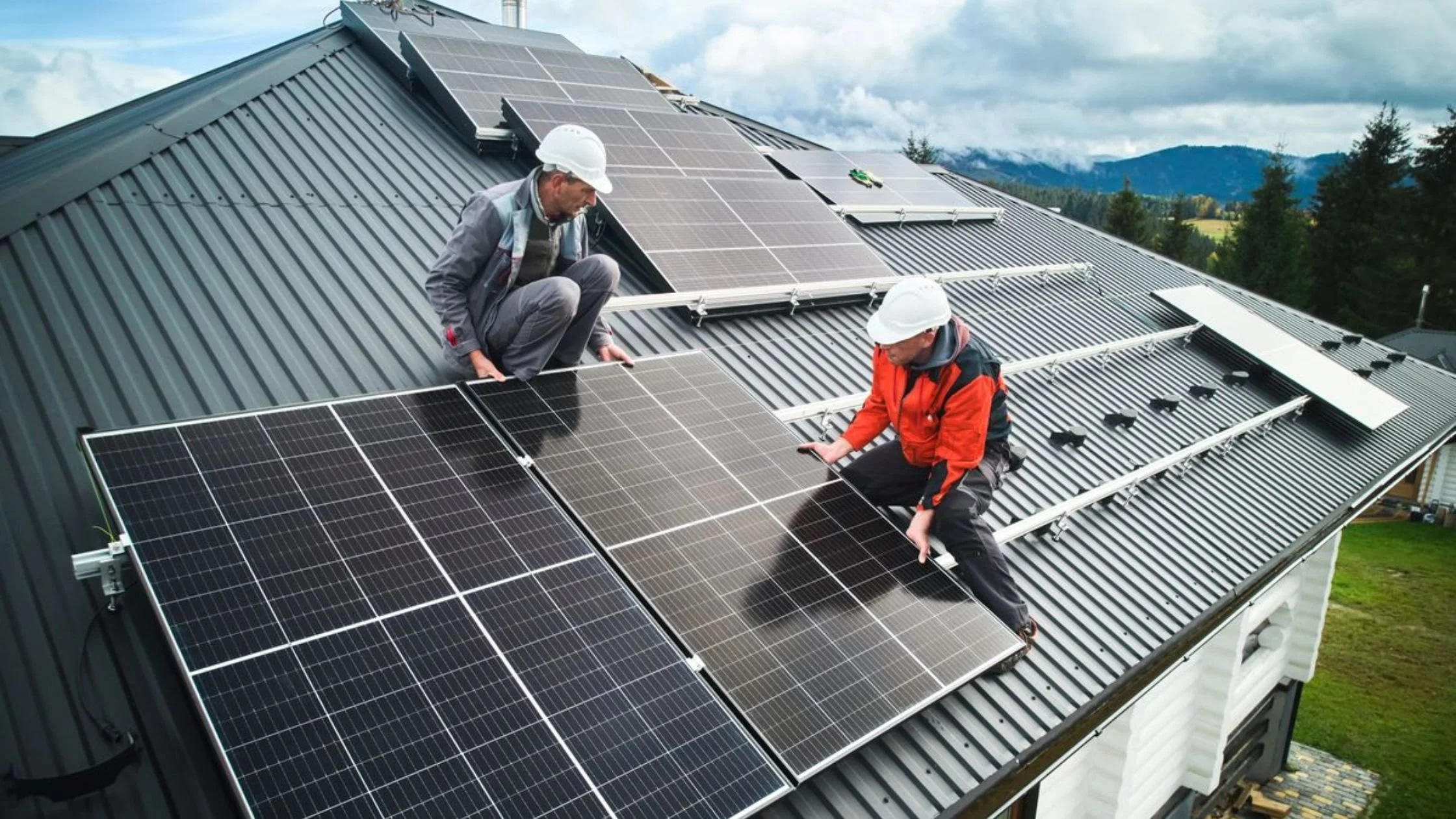
Solar Panel Installation Cost: What Denver Homeowners Should Know Before Going Solar
Thinking about solar for your home often starts with two practical questions: How much will a solar system cost, and is my roof suitable for it? The answer depends on more than the number of panels you need. Your electricity usage, roof condition, electrical system, equipment, permits, and installation requirements can all affect the final investment.
For Denver-area homeowners, understanding these factors before requesting a quote can make the process much easier. A properly designed system should fit your home's energy needs rather than simply adding as many panels as possible.
What affects the cost of a home solar system?
There is no single price that applies to every property. Two homes on the same street can have very different project costs because their roofs, electrical systems, and energy consumption may not be the same.
Here are some of the main factors to consider:
| Cost Factor | Why It Matters |
|---|---|
| System size | Larger energy needs generally require more panels and equipment |
| Roof design | Complex or difficult-to-access roofs can require additional labor |
| Panel and inverter selection | Equipment quality and technology can affect the overall investment |
| Electrical work | Older panels may need upgrades to accommodate a new energy system |
| Permits and utility requirements | Local approvals and interconnection add project steps |
| Battery storage | Adding backup storage increases the project scope and cost |
| Installation complexity | Wiring, roof access, and site conditions can affect labor |
Here are some of the main factors to consider:This is why online estimates can only provide a starting point. A professional evaluation gives you a much clearer picture of what your particular property requires.
Can you install solar panels on any roof?
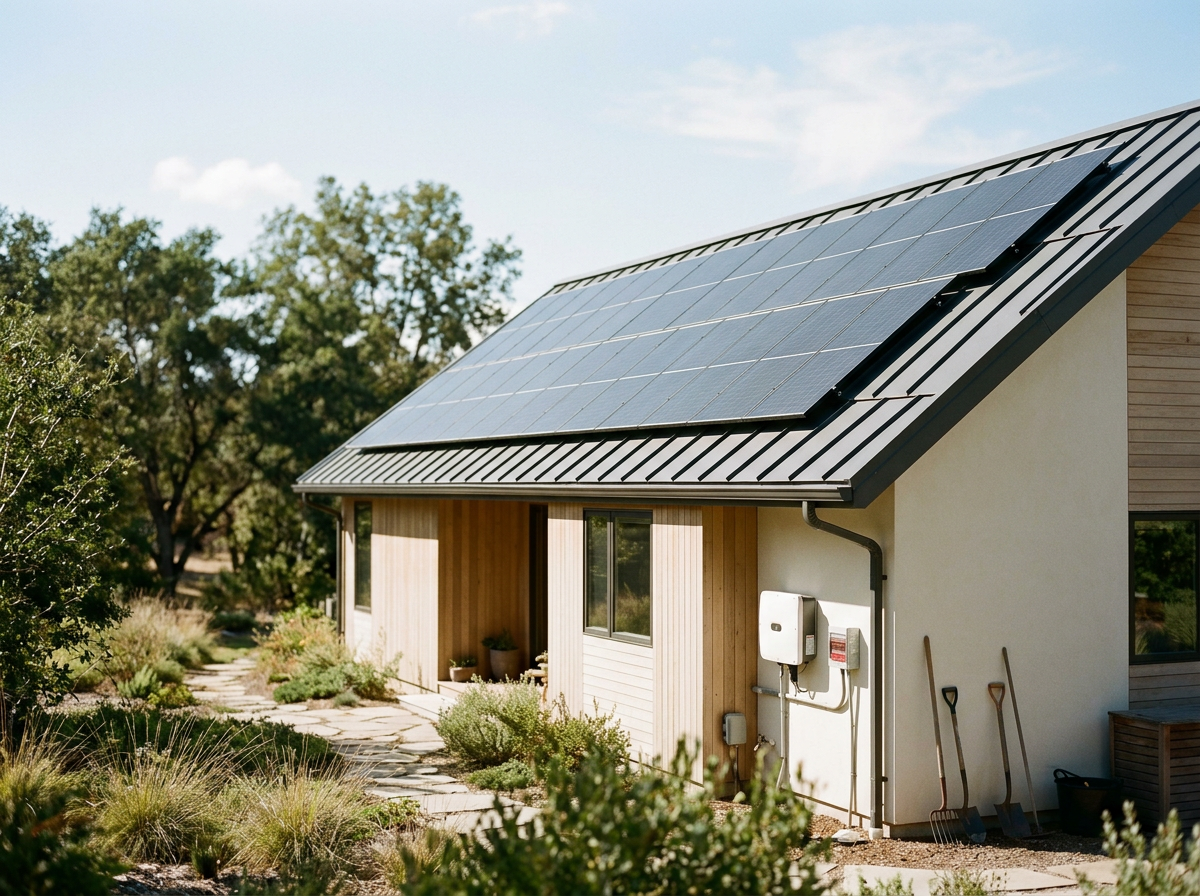
Not necessarily. Many residential roofs can accommodate solar, but the roof's condition, structure, orientation, pitch, shading, and available space should be evaluated before installation.
A roof that receives plenty of sunlight throughout the day may provide excellent conditions for solar generation. Heavy shade from trees or nearby buildings, however, can reduce production.
The roof's age is another important consideration. If your roof is already approaching the end of its useful life, it may make sense to address roofing work before installing a long-term solar system. Removing and reinstalling panels later can add unnecessary expense.
A professional site assessment can identify these issues before installation begins.
What should you check before putting solar on your roof?
Solar installation is not just a roofing project. It is also an electrical project.
Before moving forward, homeowners should consider:
Roof condition: Make sure the structure can support the installation and that major repairs are not already needed.
Sun exposure: Identify areas affected by trees, neighboring buildings, chimneys, or other obstructions.
Electrical capacity: Older electrical panels may not have enough capacity for new solar equipment.
Current energy consumption: Review your electricity usage to determine an appropriate system size.
Future plans: Consider whether you may add an EV charger, battery storage, heat pump, or other electrical loads.
Local requirements: Permits, inspections, and utility interconnection may be part of the process.
Cascade Solar & Electric provides residential solar installation along with electrical services, allowing these considerations to be evaluated as part of one project. The company serves Denver and surrounding Front Range communities and handles permitting and installation for residential systems.
How can homeowners get better value from solar?
The lowest installation quote is not necessarily the best way to judge a solar project. A system should be designed around your actual energy requirements, roof characteristics, and long-term plans.
For example, installing a system that is too small may leave you purchasing substantial electricity from the grid. On the other hand, oversizing a system without considering your usage and available roof space may increase the upfront investment without providing proportional benefits.
It is also worth asking about equipment warranties, monitoring, maintenance, workmanship, and future service before signing an agreement.
Thinking about making the switch? Start with a professional assessment of your home rather than relying only on a generic online calculator. A site-specific evaluation can help you understand your expected system size, installation requirements, and overall project scope.
Could battery storage be useful with rooftop solar?
Solar panels produce electricity when the sun is available, but your home's energy needs continue after sunset. A battery can store excess energy for later use and may also provide backup power during an outage.
Whether storage makes sense depends on your priorities and budget. Some homeowners primarily want to reduce grid electricity use, while others place greater importance on backup power and energy resilience.
A solar-plus-battery system can therefore be considered during the initial design instead of treating storage as an afterthought.
What is the installation process like?
Although every project is different, a typical residential project involves several stages:
Home and energy assessment
Roof and electrical evaluation
System design and equipment selection
Permitting and utility coordination
Professional installation
Inspection and system commissioning
Monitoring and ongoing support
Handling these steps correctly matters because the system must work safely with your home's electrical infrastructure and meet applicable requirements.
Frequently Asked Questions
How much does solar panel installation cost?
The total investment varies according to system size, equipment, roof design, electrical work, permitting, and other project-specific requirements. A professional assessment is the best way to receive an accurate estimate.
Does my roof need to face a specific direction?
Roof orientation affects solar production, but there is no single orientation that works for every home. Roof pitch, shading, available surface area, and local conditions should all be considered during system design.
Do I need to replace my roof before going solar?
Not always. If your roof is in good condition and has sufficient remaining life, solar can often be installed without replacement. If major roofing work is needed, completing it beforehand may prevent additional costs later.
Will I need an electrical panel upgrade?
Some homes will, while others will not. An electrical evaluation can determine whether the existing panel has sufficient capacity for the planned system and any future electrical upgrades.
How long can solar panels last?
Quality solar panels are generally designed for long-term operation, often with performance expectations extending for decades. Proper installation and regular monitoring can help homeowners get the most from their investment.
Ready to explore solar for your home?
Understanding the real factors behind solar costs can help you compare proposals more confidently and avoid surprises later. Instead of focusing only on the price of the panels, look at the complete project: roof condition, system design, electrical requirements, permits, equipment, warranties, and future energy needs.
If you're considering rooftop solar in Denver, Cascade Solar & Electric can evaluate your home's solar and electrical requirements and help develop a system suited to your property.
Do You Need an Electrical Panel Upgrade Before Going Solar?
If you've started researching home solar, you've probably noticed the conversation revolves around panels on the roof, how many you need, what they cost, how much sun your home gets. What often gets left out is the panel inside your house: the one that has to handle all that new power once it starts flowing.
For a lot of homeowners, this comes as a surprise mid-project. You get quotes, pick a system size, feel good about the plan, and then hear "your panel might need to be upgraded first." It's not a sales tactic, it's usually just physics. Older electrical systems weren't built with solar, EV chargers, and battery storage in mind, so the wiring sometimes has to catch up before the rooftop system can go live.
How Do Home Solar Panels Actually Power Your House?

Rooftop solar panels convert sunlight into direct current (DC) electricity.
Since most homes run on alternating current (AC), that power passes through an inverter first, which converts it into the type of electricity your outlets and appliances actually use. From there, it flows into your home's electrical panel, where it's distributed to your circuits, or sent back to the grid if you're producing more than you're using at that moment.
Rooftop solar panels convert sunlight into direct current (DC) electricity. Since most homes run on alternating current (AC), that power passes through an inverter first, which converts it into the type of electricity your outlets and appliances actually use. From there, it flows into your home's electrical panel, where it's distributed to your circuits, or sent back to the grid if you're producing more than you're using at that moment.
That last step is the important one. Your panel isn't just a box of switches; it's the traffic controller for every watt entering or leaving your home. If it can't safely handle the added flow from a solar system, something has to give, and that "something" is usually your safety margin, not just your convenience.
What Exactly Is an Electrical Panel, and Why Does It Matter for Solar?
Your electrical panel, sometimes called a breaker box or service panel, is the point where power from the utility line splits off into all the individual circuits running through your home. Each panel has a maximum amperage rating, commonly 100, 150, or 200 amps in residential homes, along with a limited number of breaker slots.
Solar systems add a new source of power feeding into that same panel, and combined with your existing household load, that can push older or smaller panels past what they're rated to handle safely. This is especially common in homes built decades ago, when 100-amp service was standard and nobody was planning for rooftop solar, EVs, or heat pumps down the line.
Key Differences Between Panel Sizes
Here's a clear side-by-side comparison of common electrical panel sizes for solar:
| Feature | 100-Amp Panel | 150-Amp Panel | 200-Amp Panel | 225-Amp+ Panel |
|---|---|---|---|---|
| Typical home type | Small to mid-size homes | Mid-size homes | Most modern homes | Larger homes / high load |
| Good fit for solar? | Often needs an upgrade | Sometimes sufficient | Recommended standard | Ideal for solar + extras |
| Supports EV charger / battery? | Rarely, without upgrade | Limited capacity | Yes, with room to spare | Yes, best future-proofing |
| Common in homes built | Before the 1990s | 1990s–2000s | 2000s–present | Newer construction |
| Upgrade cost if needed | $1,500–$3,500 | $1,200–$3,000 | Usually no upgrade needed | Usually no upgrade needed |
How Do You Know If Your Panel Needs an Upgrade First?
A few signs tend to show up during a site evaluation: the home still has a 100-amp panel or an older fuse-based system, there's no open breaker slot left for the solar connection, you're planning to add an EV charger or battery backup alongside solar, or the panel is outdated enough that it no longer meets current code. None of these are unusual, and none of them mean solar is off the table, they just mean the panel needs attention before, or alongside, the solar installation itself.
What Happens During a Panel Upgrade?
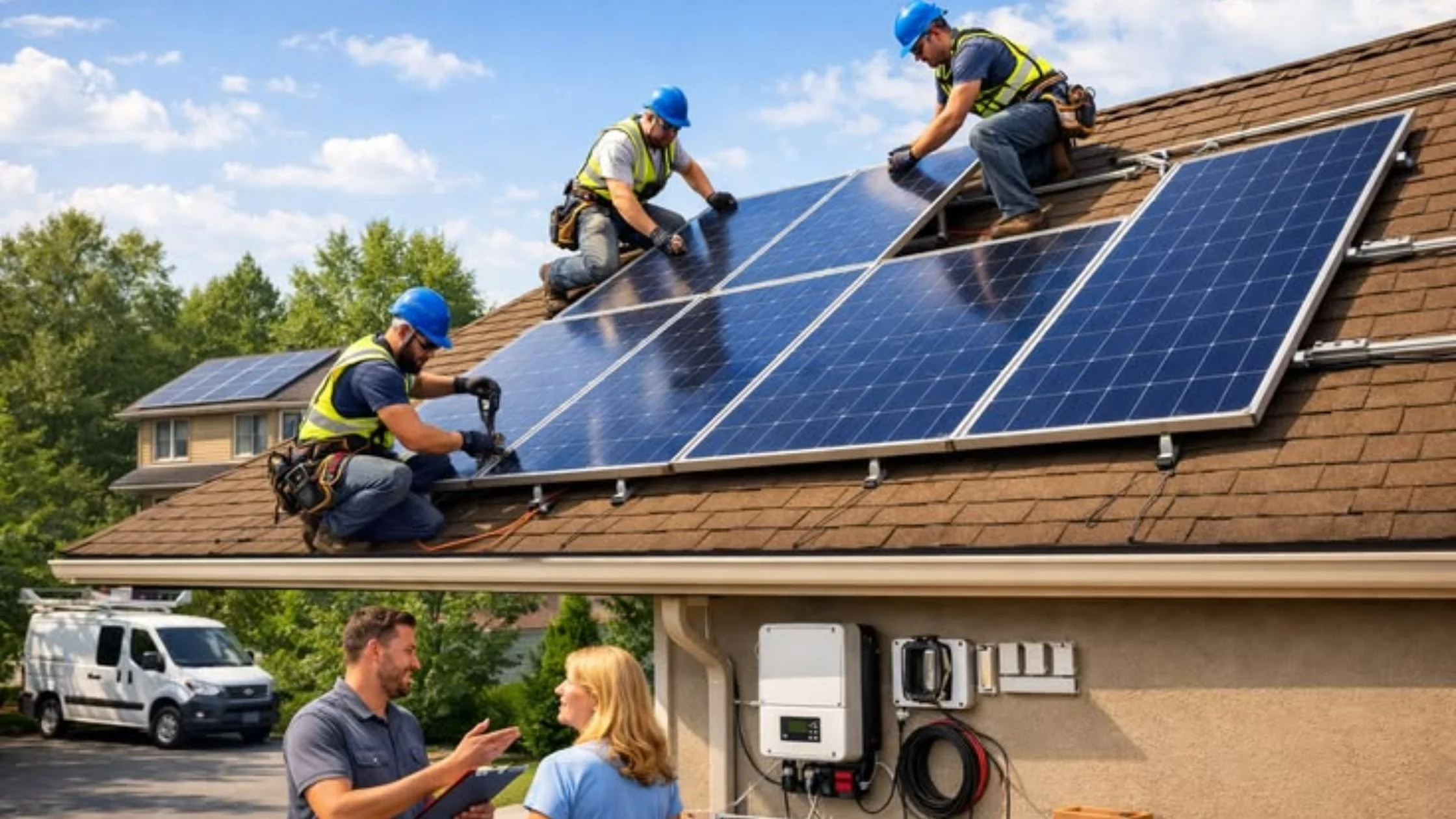
A panel upgrade typically means replacing the existing breaker box with a new one rated for higher amperage, usually 200 amps for most residential solar setups.
A licensed electrician handles the swap, briefly disconnecting power, installing the new panel and breakers, and wiring everything to current code.
Depending on your city, the utility company may need to disconnect and reconnect service, and a permit and inspection are usually required, which is standard for any electrical work, not something specific to solar. Most straightforward upgrades take a single day, though inspections and utility coordination can add a bit of time to the overall timeline.
Does a Panel Upgrade Add Much to the Cost of Going Solar?
It does add a line item, and it's worth budgeting for rather than being surprised by it later. That said, most homeowners find it's a manageable addition relative to the overall investment, especially since it's a one-time cost that also benefits the rest of the home's electrical system, not just the solar array. A properly sized panel makes it easier to add an EV charger or battery storage later without another round of electrical work.
This is usually where working with an experienced installer pays off. A team like Cascade Solar & Electric will typically flag panel capacity during the initial site assessment, so it's factored into your quote from the start instead of turning into a mid-project surprise. In most cases, it also makes sense to handle the panel work as part of the same project timeline rather than as a separate step later, coordinating both with one team avoids duplicate site visits and keeps permitting simpler since everything gets inspected together.
Frequently Asked Questions
Can I install solar panels without upgrading my electrical panel?
Sometimes, if your existing panel has enough amperage and open capacity for the new connection. A licensed electrician can confirm this with a load calculation during your site evaluation.
How much does an electrical panel upgrade typically cost?
Costs vary based on panel size, local labor rates, and utility coordination, but it's generally a modest addition compared to the total cost of a home solar system.
Will a panel upgrade delay my solar installation?
It can add some time for permitting and utility coordination, but most upgrades take a single day and are scheduled within the overall project timeline.
What size panel do I need for solar? Most modern residential solar setups pair with a 200-amp panel, though the right size depends on your home's total electrical load and future plans like EV charging.
Does a panel upgrade require a permit?
YES
Electrical panel work almost always requires a permit and inspection, like any other significant electrical upgrade.
Going solar is as much about what's happening inside your walls as it is about what's on your roof. A quick electrical assessment upfront can save you from delays later, and it's a conversation worth having early with whichever solar and electrical team you choose to work with, whether that's Cascade Solar & Electric or another licensed local installer.
How to Choose the Right Solar System for Your Home
Switching to solar is a major decision for any homeowner. It can help reduce dependence on the electrical grid, provide greater control over energy use, and support a more resilient home. But choosing the right setup involves more than deciding how many panels to put on the roof.
Every home has different energy needs, roof conditions, electrical infrastructure, and long-term goals. A system that works well for one property may not be the right fit for another. Understanding these factors before installation can help homeowners make a more informed decision.
What should you consider before going solar?
The first step is understanding how your home currently uses electricity. Look through recent utility bills to see how much power your household consumes throughout the year. Seasonal changes are important, especially if your electricity use increases during particularly hot or cold months.
It is also worth thinking about future energy needs. Perhaps you are considering an electric vehicle, upgrading appliances, adding a heat pump, or expanding your living space. These changes could increase your electricity consumption.
A good solar design should account for both your current usage and reasonable future needs rather than simply installing as many panels as possible.
Is your roof suitable for solar panels?
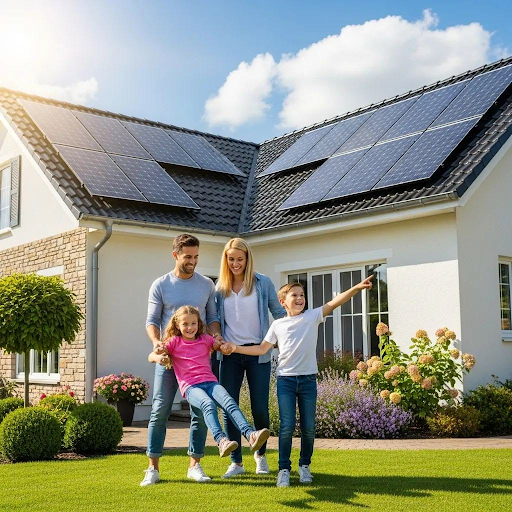
Your roof plays a major role in determining how well a residential solar system can perform.
Before installation, professionals should evaluate the roof's condition, available space, orientation, pitch, and potential shading. Trees, chimneys, nearby buildings, and other structures can affect how much sunlight reaches the panels.
If your roof is approaching the end of its useful life, it may make sense to address roofing work before installing solar equipment. Removing and reinstalling panels later can add unnecessary expense and disruption.
Roof orientation is another consideration. South- and west-facing areas can be particularly useful for solar production, but other orientations can also work depending on the home's design and local conditions.
How does system size affect your investment?
More panels do not automatically mean a better system.
The appropriate size depends on your electricity consumption, available roof space, panel efficiency, sunlight exposure, and how much of your energy use you want to offset.
For example, a homeowner who wants to cover most of their annual electricity consumption may need a different system from someone who simply wants to reduce grid dependence.
Professional system design is valuable here because it considers the entire property rather than relying on a standard package. Cascade Solar & Electric describes its residential process as starting with a home consultation and energy review before creating a custom design and proposal.
Should you add battery storage?
Solar panels generate electricity during daylight hours, but your home may continue using power after the sun goes down. Battery storage allows excess energy to be stored and used later.
A battery can also provide backup power during certain outages when paired with an appropriately designed solar-plus-storage system. This can be particularly useful for homeowners who want greater energy resilience rather than relying entirely on the grid.
However, battery storage isn't necessarily required for every home. Your energy priorities, budget, existing electrical system, and backup-power expectations should all be considered before making the decision.
Cascade Solar & Electric offers solar, battery backup, and electrical services together, allowing these components to be evaluated as part of one energy plan.
What about your home's electrical panel?
Solar installation is also an electrical project, so the existing electrical infrastructure needs attention.
An older electrical panel may not have enough capacity for new solar equipment, battery storage, EV charging, or other modern electrical loads. In some cases, an electrical panel or service upgrade may be necessary.
This is one reason working with a company that understands both solar and electrical systems can be helpful. Instead of treating each upgrade as a separate project, the system can be planned around the home's overall energy needs.
How should you compare solar installation companies?
Price is important, but it shouldn't be the only factor.
When comparing proposals, look at what is actually included. Consider the quality of the equipment, expected energy production, warranties, electrical work, permitting, installation, monitoring, and ongoing support.
You should also understand who will handle each stage of the project. A complete process may include site assessment, system design, permitting, installation, inspection, utility coordination, activation, and monitoring.
A detailed proposal should make these responsibilities clear rather than simply presenting a total price.
What makes a solar system a good long-term investment?
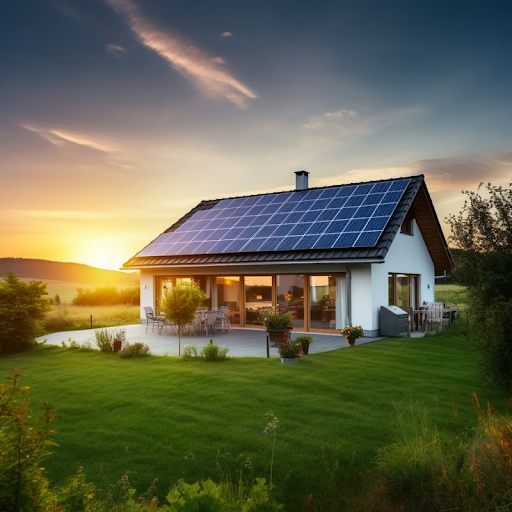
The best system is one that fits the home and continues to meet the homeowner's needs over time.
Think about more than today's electricity bill. Future EV charging, battery storage, changing household energy use, and electrical upgrades may all affect your requirements.
The goal should be to create an energy system that works together rather than treating solar panels as an isolated upgrade. For example, combining rooftop solar with battery storage and EV charging can create a more connected approach to home energy management.
Cascade Solar & Electric takes this broader approach by offering solar, battery storage, EV chargers, and electrical upgrades through one team.
Why is professional system design important?
Solar technology has become more accessible, but every installation still requires careful planning.
A professional evaluation can identify roof limitations, shading, electrical requirements, energy consumption patterns, and future needs before equipment is ordered. It can also help homeowners understand expected production and how different system configurations may affect the overall project.
Rather than choosing a system based only on the number of panels or advertised specifications, focus on how the complete setup will work with your home.
For homeowners considering solar in Colorado, working with a local team familiar with residential electrical systems can also make the process more straightforward. Cascade Solar & Electric is a locally owned, owner-operated company serving Denver and surrounding Front Range communities.
Frequently Asked Questions
How many solar panels does a home need?
The number depends on electricity usage, roof space, panel capacity, sunlight exposure, and the amount of energy you want to generate. A professional assessment can determine an appropriate system size for your property.
Can solar panels power a home during a power outage?
Solar panels alone typically do not provide backup power during an outage. A properly configured battery storage system can provide backup electricity for selected household loads.
Is battery storage necessary with residential solar?
Not always. Some homeowners primarily want to generate their own electricity, while others value backup power and greater energy independence. Your goals and budget should guide the decision.
Does my roof need to be replaced before installing solar?
If the roof is nearing the end of its useful life, replacing it before solar installation may be worth considering. An installer can evaluate the roof and help determine whether it is suitable for the project.
Can I add an EV charger to my solar system?
Yes. Solar, battery storage, and EV charging can be planned together as part of a broader home energy system. Your electrical panel and available capacity should be evaluated before installation.