
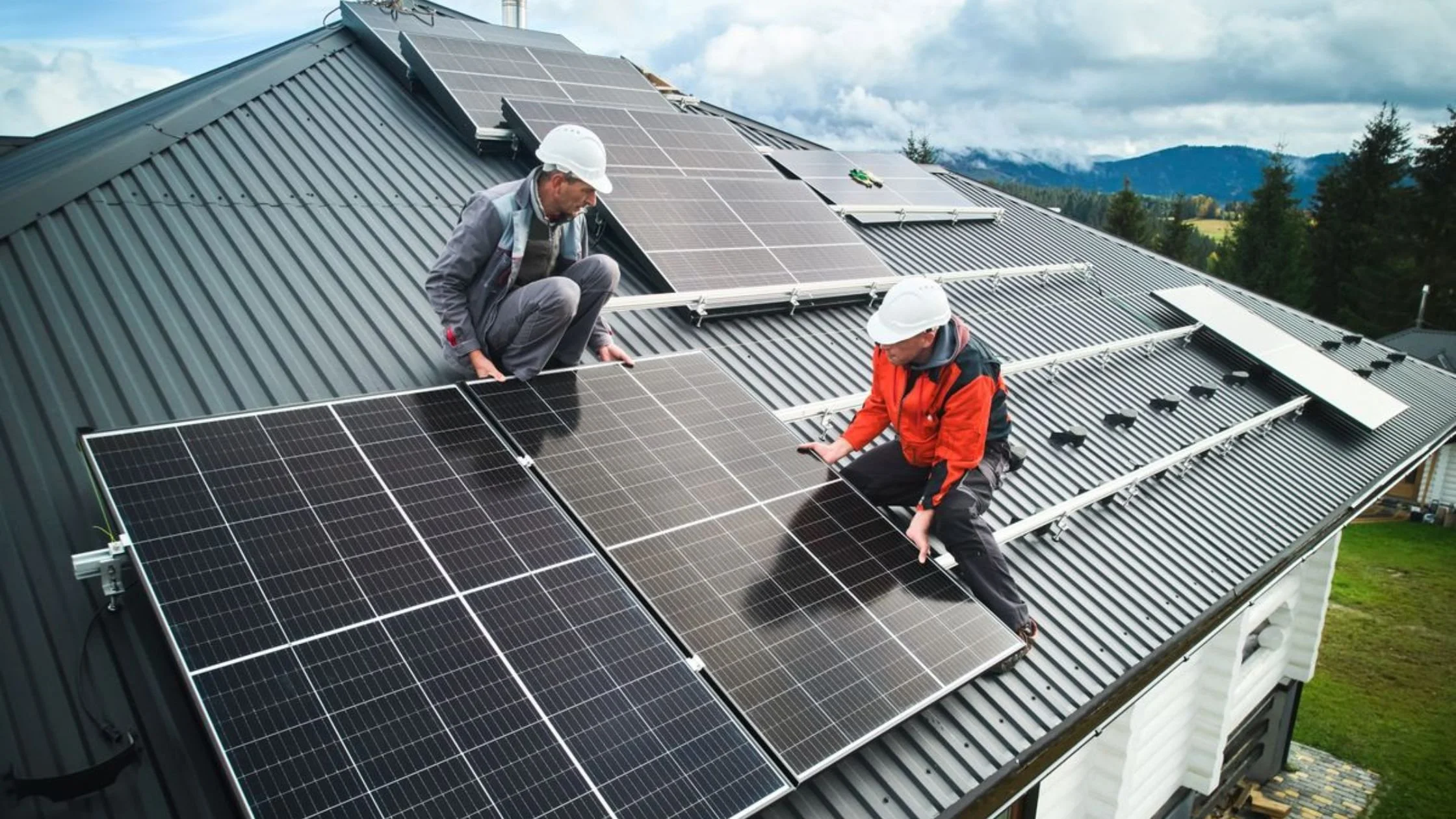
Solar Panel Installation Cost: What Denver Homeowners Should Know Before Going Solar
Thinking about solar for your home often starts with two practical questions: How much will a solar system cost, and is my roof suitable for it? The answer depends on more than the number of panels you need. Your electricity usage, roof condition, electrical system, equipment, permits, and installation requirements can all affect the final investment.
For Denver-area homeowners, understanding these factors before requesting a quote can make the process much easier. A properly designed system should fit your home's energy needs rather than simply adding as many panels as possible.
What affects the cost of a home solar system?
There is no single price that applies to every property. Two homes on the same street can have very different project costs because their roofs, electrical systems, and energy consumption may not be the same.
Here are some of the main factors to consider:
| Cost Factor | Why It Matters |
|---|---|
| System size | Larger energy needs generally require more panels and equipment |
| Roof design | Complex or difficult-to-access roofs can require additional labor |
| Panel and inverter selection | Equipment quality and technology can affect the overall investment |
| Electrical work | Older panels may need upgrades to accommodate a new energy system |
| Permits and utility requirements | Local approvals and interconnection add project steps |
| Battery storage | Adding backup storage increases the project scope and cost |
| Installation complexity | Wiring, roof access, and site conditions can affect labor |
Here are some of the main factors to consider:This is why online estimates can only provide a starting point. A professional evaluation gives you a much clearer picture of what your particular property requires.
Can you install solar panels on any roof?
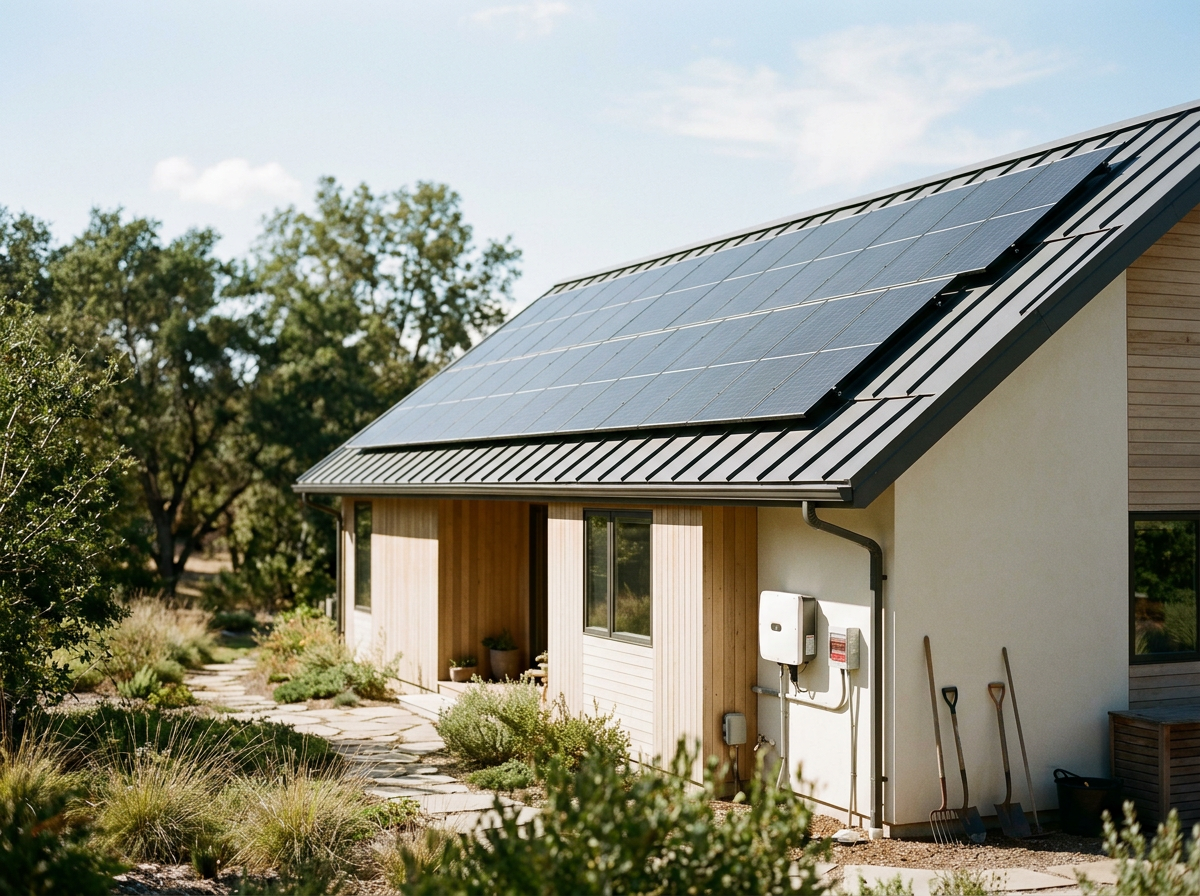
Not necessarily. Many residential roofs can accommodate solar, but the roof's condition, structure, orientation, pitch, shading, and available space should be evaluated before installation.
A roof that receives plenty of sunlight throughout the day may provide excellent conditions for solar generation. Heavy shade from trees or nearby buildings, however, can reduce production.
The roof's age is another important consideration. If your roof is already approaching the end of its useful life, it may make sense to address roofing work before installing a long-term solar system. Removing and reinstalling panels later can add unnecessary expense.
A professional site assessment can identify these issues before installation begins.
What should you check before putting solar on your roof?
Solar installation is not just a roofing project. It is also an electrical project.
Before moving forward, homeowners should consider:
Roof condition: Make sure the structure can support the installation and that major repairs are not already needed.
Sun exposure: Identify areas affected by trees, neighboring buildings, chimneys, or other obstructions.
Electrical capacity: Older electrical panels may not have enough capacity for new solar equipment.
Current energy consumption: Review your electricity usage to determine an appropriate system size.
Future plans: Consider whether you may add an EV charger, battery storage, heat pump, or other electrical loads.
Local requirements: Permits, inspections, and utility interconnection may be part of the process.
Cascade Solar & Electric provides residential solar installation along with electrical services, allowing these considerations to be evaluated as part of one project. The company serves Denver and surrounding Front Range communities and handles permitting and installation for residential systems.
How can homeowners get better value from solar?
The lowest installation quote is not necessarily the best way to judge a solar project. A system should be designed around your actual energy requirements, roof characteristics, and long-term plans.
For example, installing a system that is too small may leave you purchasing substantial electricity from the grid. On the other hand, oversizing a system without considering your usage and available roof space may increase the upfront investment without providing proportional benefits.
It is also worth asking about equipment warranties, monitoring, maintenance, workmanship, and future service before signing an agreement.
Thinking about making the switch? Start with a professional assessment of your home rather than relying only on a generic online calculator. A site-specific evaluation can help you understand your expected system size, installation requirements, and overall project scope.
Could battery storage be useful with rooftop solar?
Solar panels produce electricity when the sun is available, but your home's energy needs continue after sunset. A battery can store excess energy for later use and may also provide backup power during an outage.
Whether storage makes sense depends on your priorities and budget. Some homeowners primarily want to reduce grid electricity use, while others place greater importance on backup power and energy resilience.
A solar-plus-battery system can therefore be considered during the initial design instead of treating storage as an afterthought.
What is the installation process like?
Although every project is different, a typical residential project involves several stages:
Home and energy assessment
Roof and electrical evaluation
System design and equipment selection
Permitting and utility coordination
Professional installation
Inspection and system commissioning
Monitoring and ongoing support
Handling these steps correctly matters because the system must work safely with your home's electrical infrastructure and meet applicable requirements.
Frequently Asked Questions
How much does solar panel installation cost?
The total investment varies according to system size, equipment, roof design, electrical work, permitting, and other project-specific requirements. A professional assessment is the best way to receive an accurate estimate.
Does my roof need to face a specific direction?
Roof orientation affects solar production, but there is no single orientation that works for every home. Roof pitch, shading, available surface area, and local conditions should all be considered during system design.
Do I need to replace my roof before going solar?
Not always. If your roof is in good condition and has sufficient remaining life, solar can often be installed without replacement. If major roofing work is needed, completing it beforehand may prevent additional costs later.
Will I need an electrical panel upgrade?
Some homes will, while others will not. An electrical evaluation can determine whether the existing panel has sufficient capacity for the planned system and any future electrical upgrades.
How long can solar panels last?
Quality solar panels are generally designed for long-term operation, often with performance expectations extending for decades. Proper installation and regular monitoring can help homeowners get the most from their investment.
Ready to explore solar for your home?
Understanding the real factors behind solar costs can help you compare proposals more confidently and avoid surprises later. Instead of focusing only on the price of the panels, look at the complete project: roof condition, system design, electrical requirements, permits, equipment, warranties, and future energy needs.
If you're considering rooftop solar in Denver, Cascade Solar & Electric can evaluate your home's solar and electrical requirements and help develop a system suited to your property.