
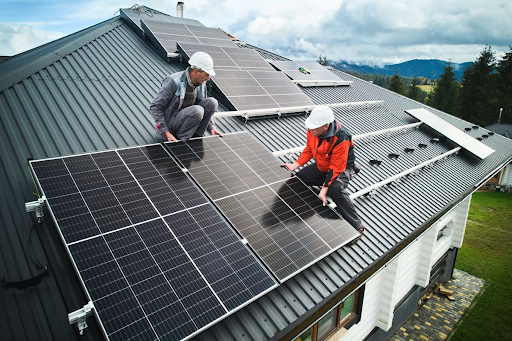
How to Choose the Right Solar System for Your Home
Switching to solar is a major decision for any homeowner. It can help reduce dependence on the electrical grid, provide greater control over energy use, and support a more resilient home. But choosing the right setup involves more than deciding how many panels to put on the roof.
Every home has different energy needs, roof conditions, electrical infrastructure, and long-term goals. A system that works well for one property may not be the right fit for another. Understanding these factors before installation can help homeowners make a more informed decision.
What should you consider before going solar?
The first step is understanding how your home currently uses electricity. Look through recent utility bills to see how much power your household consumes throughout the year. Seasonal changes are important, especially if your electricity use increases during particularly hot or cold months.
It is also worth thinking about future energy needs. Perhaps you are considering an electric vehicle, upgrading appliances, adding a heat pump, or expanding your living space. These changes could increase your electricity consumption.
A good solar design should account for both your current usage and reasonable future needs rather than simply installing as many panels as possible.
Is your roof suitable for solar panels?
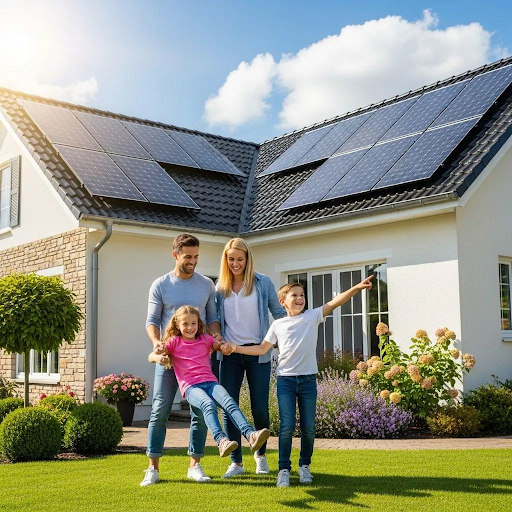
Your roof plays a major role in determining how well a residential solar system can perform.
Before installation, professionals should evaluate the roof's condition, available space, orientation, pitch, and potential shading. Trees, chimneys, nearby buildings, and other structures can affect how much sunlight reaches the panels.
If your roof is approaching the end of its useful life, it may make sense to address roofing work before installing solar equipment. Removing and reinstalling panels later can add unnecessary expense and disruption.
Roof orientation is another consideration. South- and west-facing areas can be particularly useful for solar production, but other orientations can also work depending on the home's design and local conditions.
How does system size affect your investment?
More panels do not automatically mean a better system.
The appropriate size depends on your electricity consumption, available roof space, panel efficiency, sunlight exposure, and how much of your energy use you want to offset.
For example, a homeowner who wants to cover most of their annual electricity consumption may need a different system from someone who simply wants to reduce grid dependence.
Professional system design is valuable here because it considers the entire property rather than relying on a standard package. Cascade Solar & Electric describes its residential process as starting with a home consultation and energy review before creating a custom design and proposal.
Should you add battery storage?
Solar panels generate electricity during daylight hours, but your home may continue using power after the sun goes down. Battery storage allows excess energy to be stored and used later.
A battery can also provide backup power during certain outages when paired with an appropriately designed solar-plus-storage system. This can be particularly useful for homeowners who want greater energy resilience rather than relying entirely on the grid.
However, battery storage isn't necessarily required for every home. Your energy priorities, budget, existing electrical system, and backup-power expectations should all be considered before making the decision.
Cascade Solar & Electric offers solar, battery backup, and electrical services together, allowing these components to be evaluated as part of one energy plan.
What about your home's electrical panel?
Solar installation is also an electrical project, so the existing electrical infrastructure needs attention.
An older electrical panel may not have enough capacity for new solar equipment, battery storage, EV charging, or other modern electrical loads. In some cases, an electrical panel or service upgrade may be necessary.
This is one reason working with a company that understands both solar and electrical systems can be helpful. Instead of treating each upgrade as a separate project, the system can be planned around the home's overall energy needs.
How should you compare solar installation companies?
Price is important, but it shouldn't be the only factor.
When comparing proposals, look at what is actually included. Consider the quality of the equipment, expected energy production, warranties, electrical work, permitting, installation, monitoring, and ongoing support.
You should also understand who will handle each stage of the project. A complete process may include site assessment, system design, permitting, installation, inspection, utility coordination, activation, and monitoring.
A detailed proposal should make these responsibilities clear rather than simply presenting a total price.
What makes a solar system a good long-term investment?
The best system is one that fits the home and continues to meet the homeowner's needs over time.
Think about more than today's electricity bill. Future EV charging, battery storage, changing household energy use, and electrical upgrades may all affect your requirements.
The goal should be to create an energy system that works together rather than treating solar panels as an isolated upgrade. For example, combining rooftop solar with battery storage and EV charging can create a more connected approach to home energy management.
Cascade Solar & Electric takes this broader approach by offering solar, battery storage, EV chargers, and electrical upgrades through one team.
Why is professional system design important?
Solar technology has become more accessible, but every installation still requires careful planning.
A professional evaluation can identify roof limitations, shading, electrical requirements, energy consumption patterns, and future needs before equipment is ordered. It can also help homeowners understand expected production and how different system configurations may affect the overall project.
Rather than choosing a system based only on the number of panels or advertised specifications, focus on how the complete setup will work with your home.
For homeowners considering solar in Colorado, working with a local team familiar with residential electrical systems can also make the process more straightforward. Cascade Solar & Electric is a locally owned, owner-operated company serving Denver and surrounding Front Range communities.
Frequently Asked Questions
How many solar panels does a home need?
The number depends on electricity usage, roof space, panel capacity, sunlight exposure, and the amount of energy you want to generate. A professional assessment can determine an appropriate system size for your property.
Can solar panels power a home during a power outage?
Solar panels alone typically do not provide backup power during an outage. A properly configured battery storage system can provide backup electricity for selected household loads.
Is battery storage necessary with residential solar?
Not always. Some homeowners primarily want to generate their own electricity, while others value backup power and greater energy independence. Your goals and budget should guide the decision.
Does my roof need to be replaced before installing solar?
If the roof is nearing the end of its useful life, replacing it before solar installation may be worth considering. An installer can evaluate the roof and help determine whether it is suitable for the project.
Can I add an EV charger to my solar system?
Yes. Solar, battery storage, and EV charging can be planned together as part of a broader home energy system. Your electrical panel and available capacity should be evaluated before installation.