
Home Battery Backup System: How Solar Power Keeps Your Home Running
Imagine a power outage happens during a storm or an unexpected grid interruption. Your lights go out, appliances stop working, and important devices may lose power. For homeowners looking for a more reliable energy solution, a home battery backup system can provide stored electricity when the grid is unavailable.
When paired with solar panels, battery storage allows homeowners to use more of the energy their solar system produces. Instead of relying only on solar power while the sun is shining, excess electricity can be stored and used later when solar production is lower or during a power outage.
For homeowners considering solar power with battery backup, understanding how these systems work and what they can provide is an important first step.
What Is a Home Battery Backup System?
A home battery backup system stores electricity so it can be used when it is needed. A typical system can work alongside solar panels, an inverter, electrical equipment, and the home's existing power system.
During periods of normal operation, solar panels generate electricity during the day. Your home uses the electricity it needs, while excess energy can be directed to battery storage. Later, when solar production decreases, stored energy can be used to power selected appliances or other household loads.
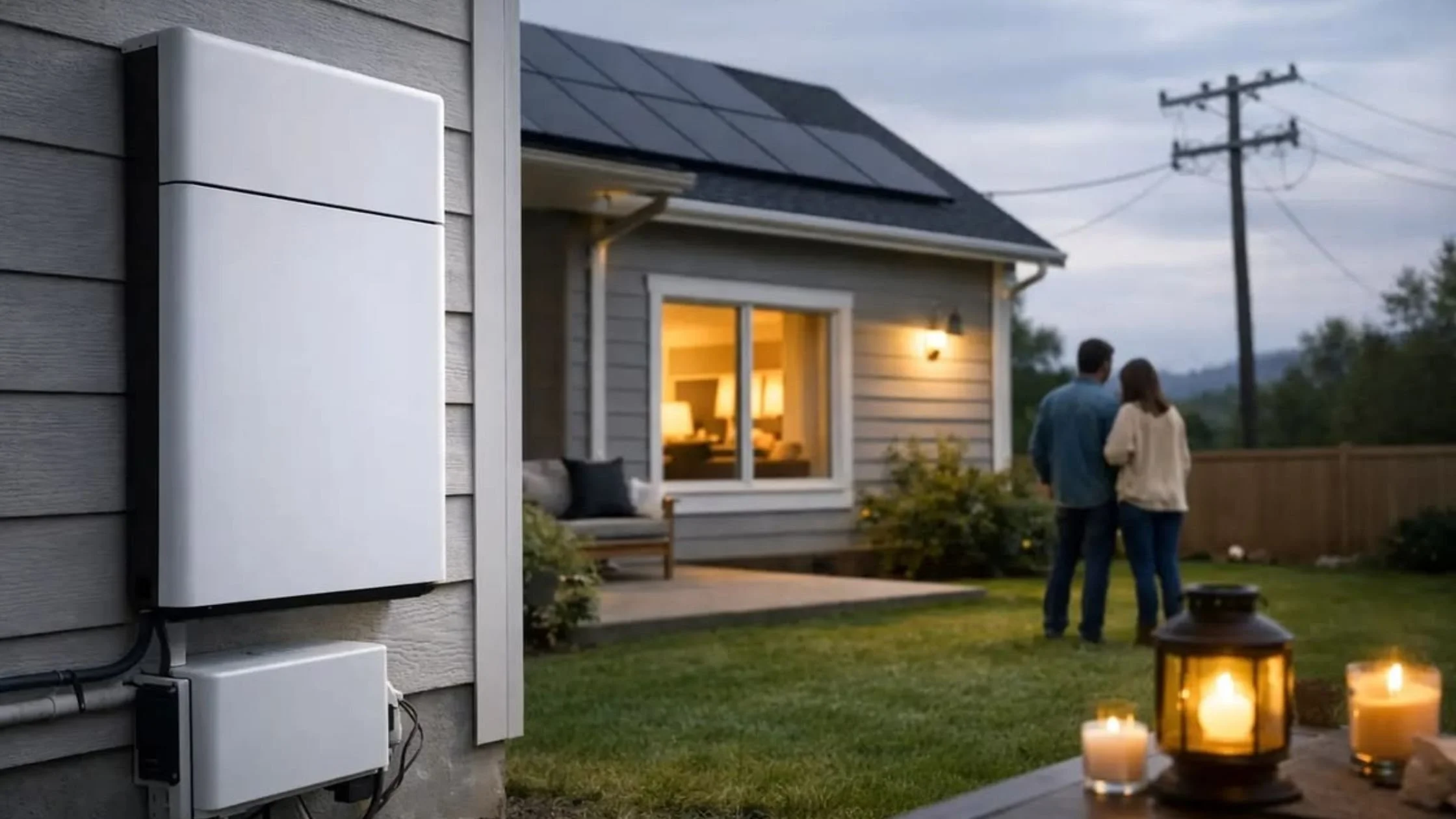
During a grid outage, a properly designed battery system can provide backup power to designated circuits or, depending on the system and installation, a larger portion of the home.
How Solar Power With Battery Backup Works
A solar-plus-storage system generally follows a simple process.
1. Solar Panels Generate Electricity
Solar panels convert sunlight into electricity during daylight hours. The amount of energy produced depends on factors such as system size, sunlight availability, roof orientation, shading, and weather conditions.
2. Your Home Uses Solar Energy
The electricity generated by the panels can first be used by appliances and other electrical loads in the home.
3. Excess Energy Charges the Battery
When solar production is greater than the home's immediate electricity needs, available excess energy can be directed toward the battery.
4. Stored Energy Can Be Used Later
When the solar panels are producing less electricity, such as during the evening, stored energy can help supply the home's electrical needs.
5. Battery Backup Can Support the Home During an Outage
If the electrical grid goes down, the battery system can provide backup power to the circuits it was designed to support.
This makes battery storage more than simply an addition to a solar system. It can also serve as part of a home's overall energy resilience strategy.
Why Add a Battery to a Solar System?
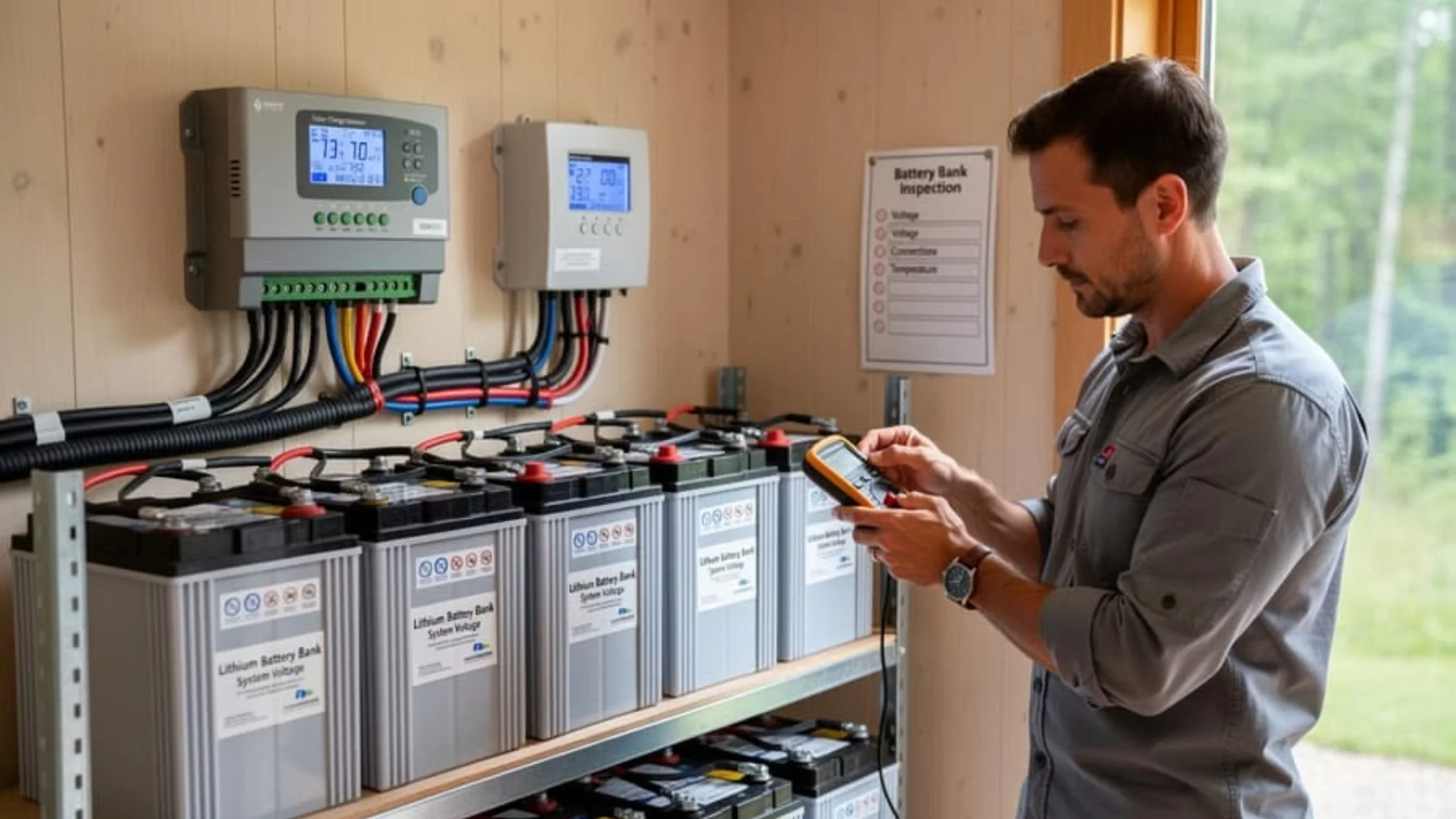
Traditional grid-connected solar systems can reduce the amount of electricity a homeowner needs to purchase from the utility, but solar panels do not necessarily provide power during a grid outage. Battery storage changes how excess solar energy can be used.
With solar power with battery backup, homeowners can store energy generated during the day and access that stored energy later.
Some potential benefits include:
Backup power during grid interruptions
Better use of excess solar production
Greater control over when stored energy is used
Reduced reliance on grid electricity during certain periods
Additional energy resilience for the home
A more flexible solar energy system
The exact benefits depend on the system design, battery capacity, electrical loads, utility requirements, and how the system is configured.
What Can a Home Battery Backup System Power?
The amount of equipment a battery can operate depends on its capacity and power output, as well as the electrical demands of the appliances being used.
Some homeowners may prioritize essential loads such as:
Refrigerators and freezers
Lighting
Internet equipment
Security systems
Medical equipment
Heating or cooling equipment
Sump pumps
Selected kitchen appliances
Other homeowners may choose a system designed to support a larger portion of the home's electrical demand.
This is why battery sizing should be based on the home's actual energy requirements rather than simply choosing a battery based on its advertised capacity.
How Do You Choose the Right Battery Size?
There is no single battery size that works for every home. The right system depends on several factors.
Your Household Energy Usage
Reviewing electricity consumption can help determine how much energy your household typically uses and which loads you want to keep running during an outage.
Your Backup Goals
Some homeowners only want to keep essential appliances operating. Others may want backup power for a much larger portion of their home.
Your Solar System Size
The amount of electricity your solar panels can generate affects how much energy may be available for battery charging.
Duration of Backup
If you want your battery to support your home for longer periods, you may need more storage capacity, depending on the loads being powered.
Electrical System Requirements
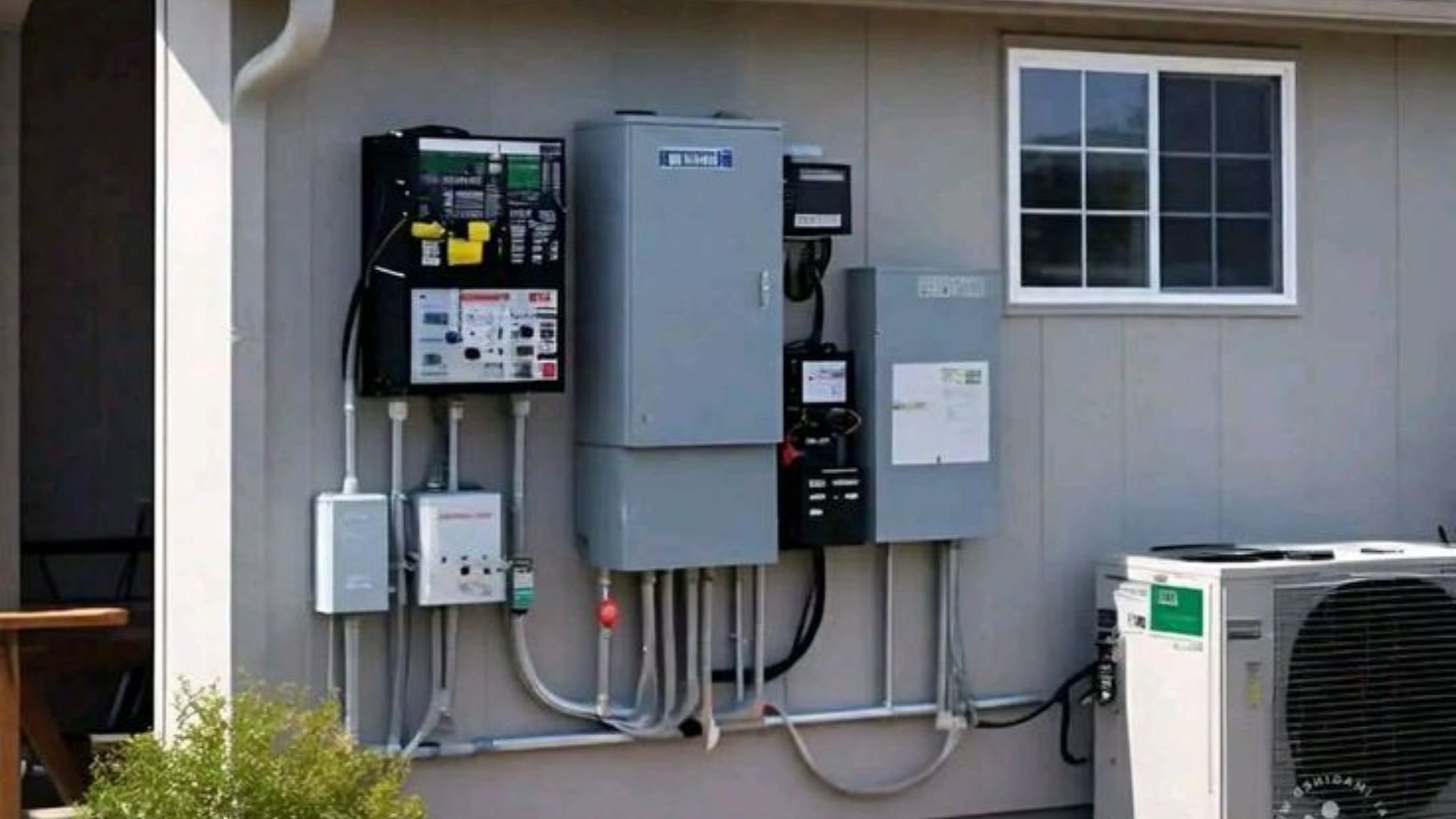
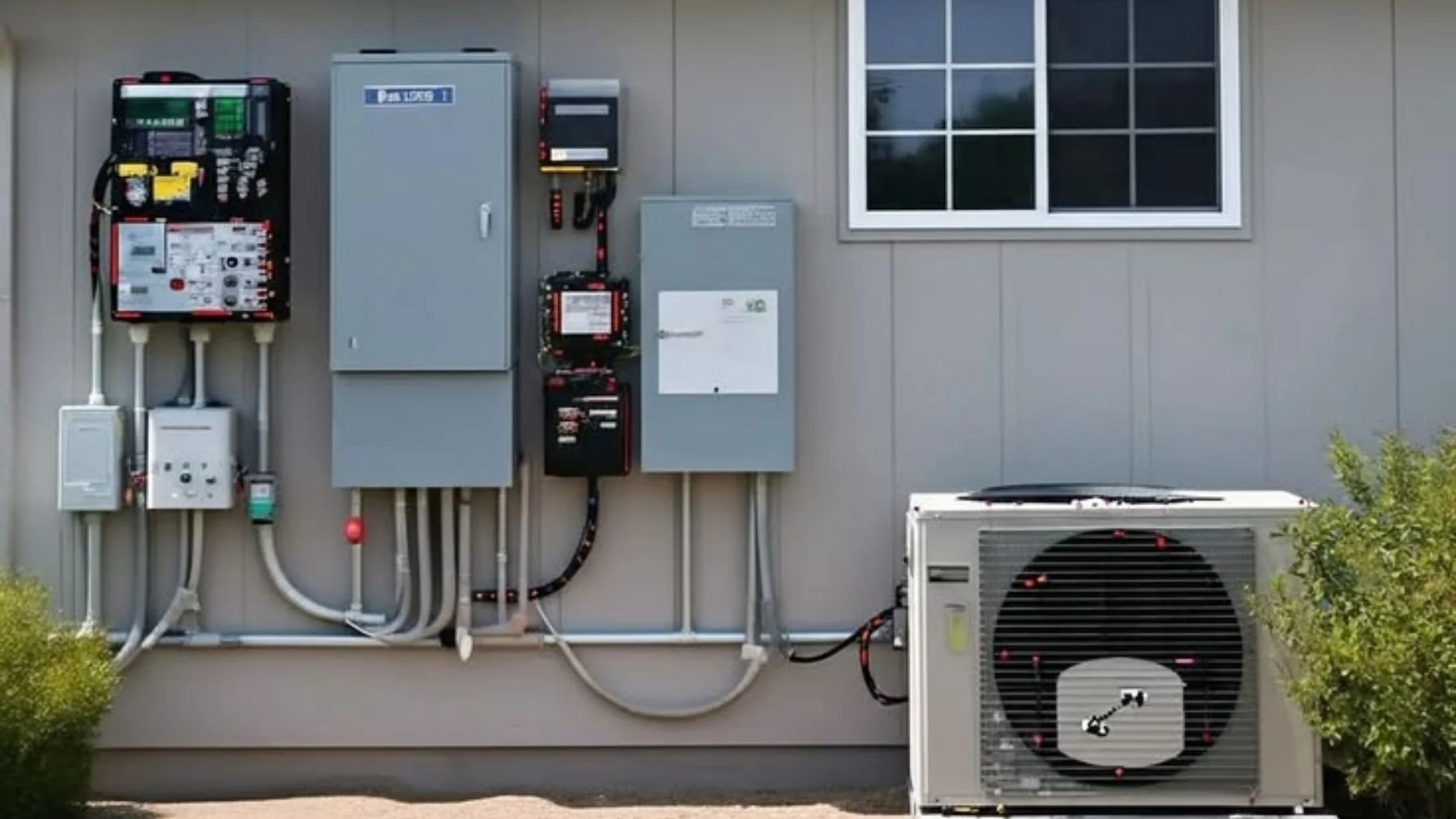
The battery, inverter, electrical panel, and other system components need to work together correctly. A professional evaluation can help determine what configuration is appropriate for the property.
Solar Battery Backup vs. a Traditional Generator

Homeowners considering backup power may compare battery storage with traditional generators.
A battery backup system can operate without storing fuel and can work with solar panels to recharge using available solar production. Battery systems also operate quietly compared with conventional fuel-powered generators.
Generators, on the other hand, can provide extended backup when properly fueled and sized.
The right option depends on factors such as your home's energy needs, outage expectations, existing solar system, budget, available space, and desired backup duration.
For homeowners who already want solar energy, adding battery storage can provide another way to use the electricity their solar system produces.
Can You Add a Battery to an Existing Solar System?
In many cases, battery storage can be incorporated into an existing solar installation, but compatibility needs to be evaluated before installation.
The existing inverter, solar equipment, electrical panel, system configuration, and available space can all affect the installation approach.
A professional solar and electrical assessment can determine whether an existing system is compatible with battery storage and what equipment may need to be added or modified.
Why Professional Installation Matters
A home battery system is connected to a home's electrical infrastructure, so proper system design and installation are important.
A professional installer can evaluate:
Current electrical usage
Solar production
Backup requirements
Electrical panel capacity
Battery storage needs
Inverter compatibility
Critical and whole-home loads
System placement and installation requirements
Cascade Solar & Electric provides residential solar and battery backup solutions as part of its broader solar and electrical services. The company also provides electrical contracting services for homes and businesses in the Denver area.
Is a Home Battery Backup System Right for Your Home?
A battery may be worth considering if you want to make greater use of your solar energy, prepare for power interruptions, or have more control over how electricity is stored and used.
The best approach depends on your home's energy consumption, existing solar equipment, electrical infrastructure, and backup goals.
Before choosing a system, it is helpful to understand how much energy your home uses, which appliances you want to keep running, and how long you want backup power to last.
Get Started With Solar and Battery Backup
A home battery backup system can add another layer of flexibility and resilience to a residential solar system. By combining solar generation with energy storage, homeowners can use solar electricity during the day, store available excess energy, and use stored power when it is needed.
If you're considering solar power with battery backup, Cascade Solar & Electric can help you evaluate your home's solar, electrical, and energy-storage needs and determine what type of system may be appropriate for your property.
Contact Cascade Solar & Electric to discuss your residential solar and battery backup options.
Frequently Asked Questions
How does a home battery backup system work?
A home battery backup system stores electricity for later use. When paired with solar panels, excess solar energy can be stored during periods of solar production and used later when solar production is lower or during a power outage.
Can solar panels work during a power outage?
A standard grid-connected solar system may shut down during a grid outage. A properly designed solar-plus-storage system can provide backup power when the grid is unavailable, depending on the system configuration and installation.
How long can a home battery provide backup power?
Backup duration depends on the battery's usable capacity, the home's electrical loads, and how much electricity is being consumed. Reducing the number of active loads can extend available backup time.
Can I add battery storage to my existing solar panels?
In many cases, battery storage can be added to an existing solar system, but compatibility and electrical requirements need to be evaluated first.
What is solar power with battery backup?
Solar power with battery backup combines solar panels with energy storage. Solar electricity can be used in the home, while available excess energy can be stored in a battery for later use.
Do I need a battery if I already have solar panels?
Not necessarily. Solar panels and batteries serve different purposes. A battery can provide energy storage and backup capabilities, but whether it makes sense for your home depends on your energy goals, electrical system, and backup requirements.