
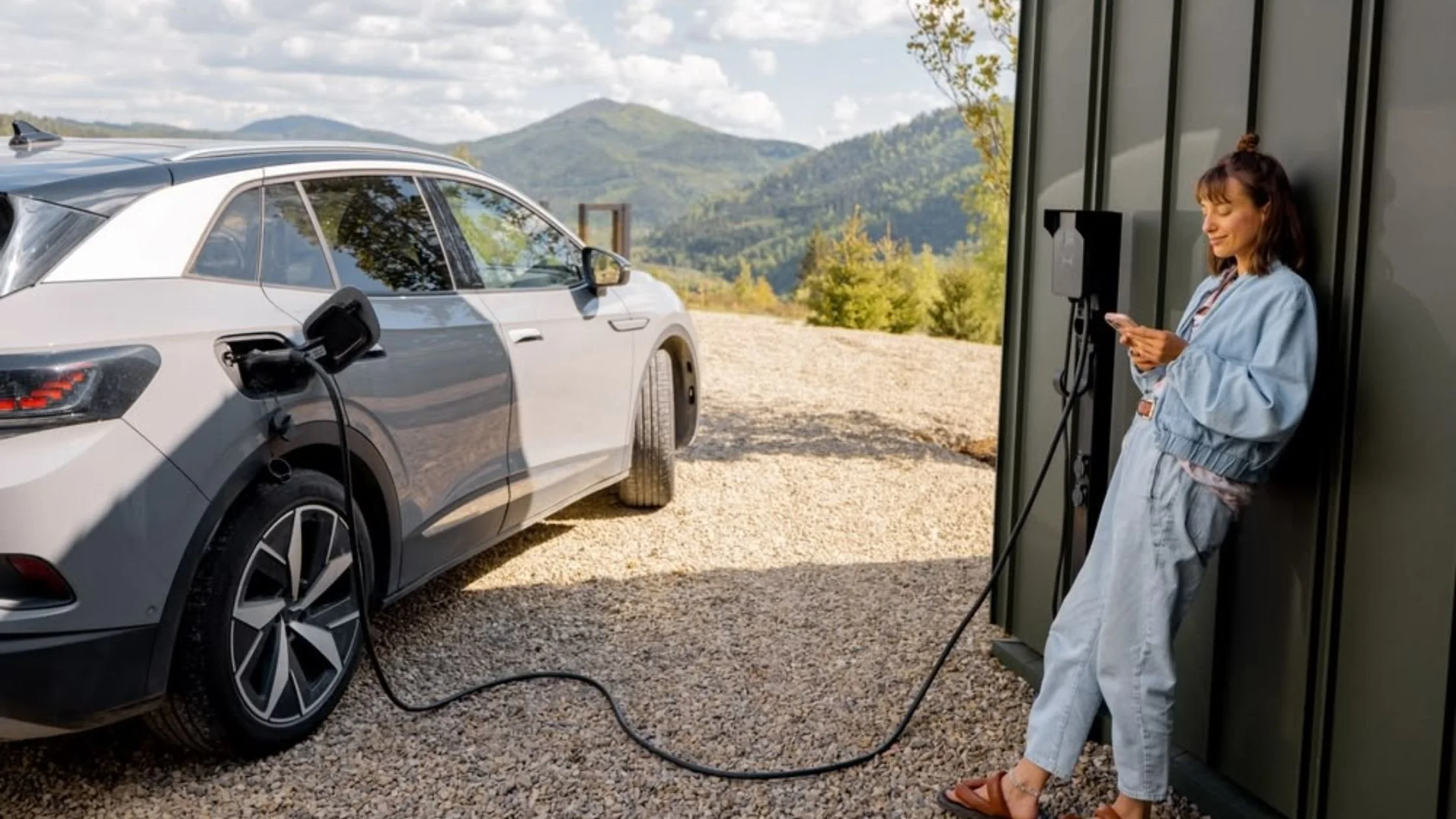
Planning an EV Road Trip from Denver? Here's How to Prepare Your EV
Planning an electric vehicle road trip from Denver can be an exciting way to explore Colorado and nearby destinations. From mountain towns to scenic highways, an EV can be a practical and comfortable choice for long-distance travel. However, unlike a traditional gas-powered vehicle, an EV road trip requires some planning around charging.
Knowing where you'll charge, how far your vehicle can travel, and how weather and elevation may affect range can make your journey much easier. Whether you're taking a weekend trip or planning a longer adventure, these tips can help you prepare your EV before leaving Denver.
1. Know Your EV's Driving Range
Before starting your trip, check your vehicle's estimated driving range and battery condition. The range shown by your vehicle is an estimate, and your actual range can vary depending on several factors.
High speeds, cold temperatures, strong winds, heavy traffic, and mountain driving can all affect energy consumption. If you're traveling through Colorado's mountainous areas, it's especially important to avoid planning your trip based on the maximum advertised range alone.
A good approach is to leave some extra battery capacity available rather than planning to arrive at a charging station with only a few miles of range remaining.
2. Plan Your Charging Stops in Advance
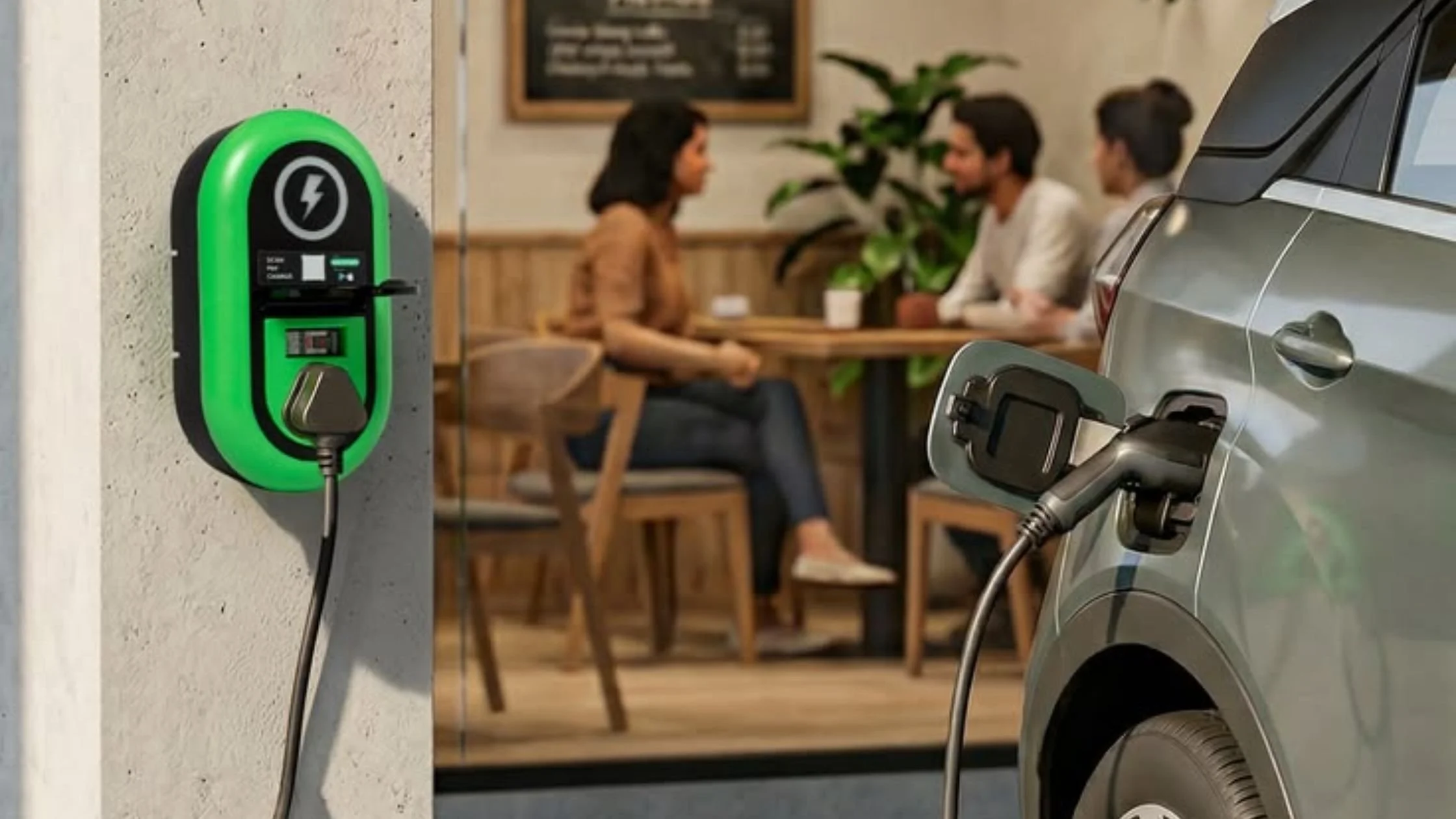
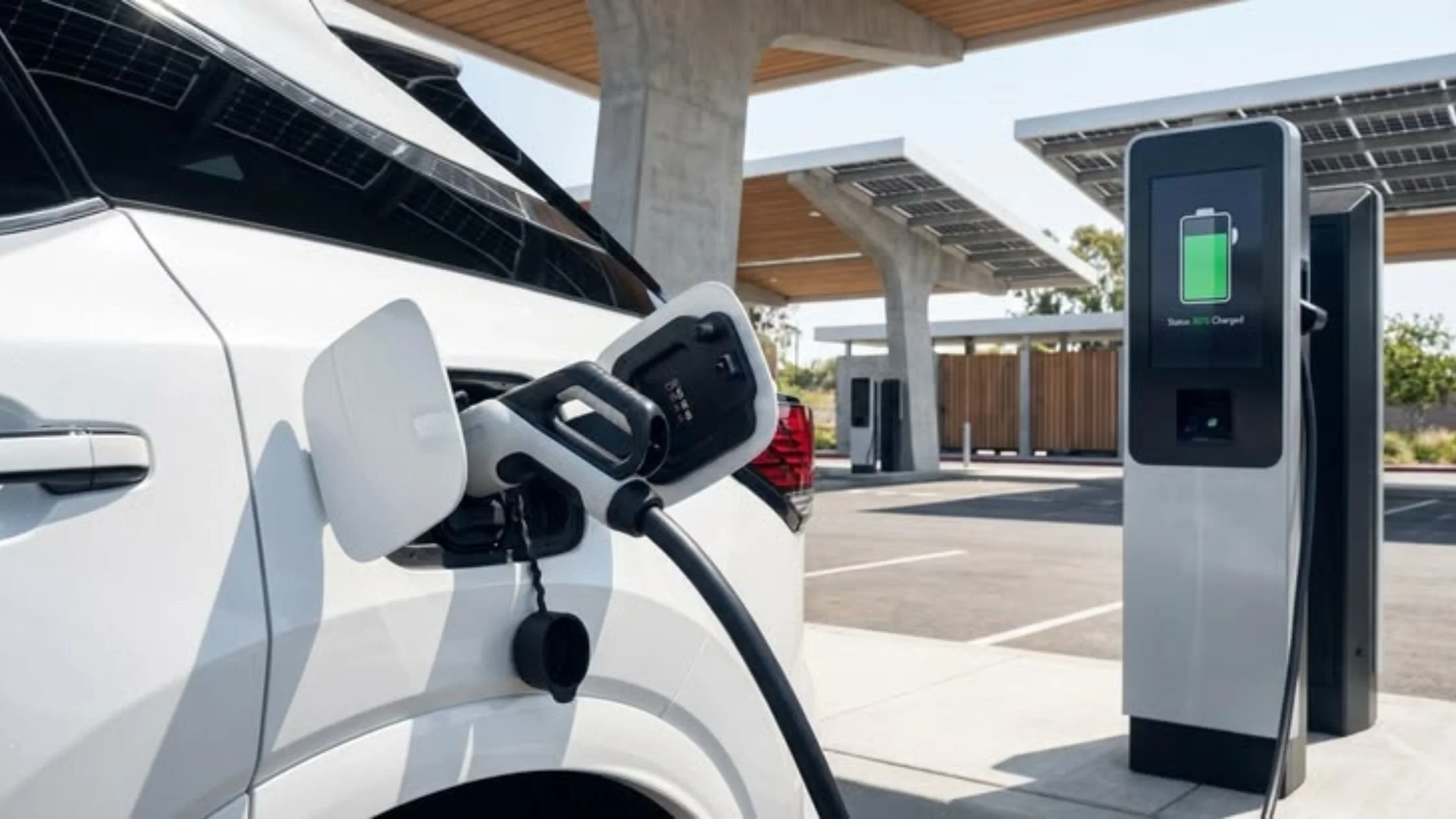
One of the most important parts of an EV road trip is knowing where you'll recharge. Before leaving Denver, identify charging stations along your route and consider how long you'll likely spend at each stop.
When researching EV charging stations in Denver and along your route, check:
Charging speed
Connector compatibility
Current availability
Operating hours or access requirements
Nearby restaurants, stores, or rest areas
Alternative charging locations
It's also smart to have a backup charging option. A station may be busy, temporarily unavailable, or located farther away than expected.
3. Start Your Road Trip With a Full Charge
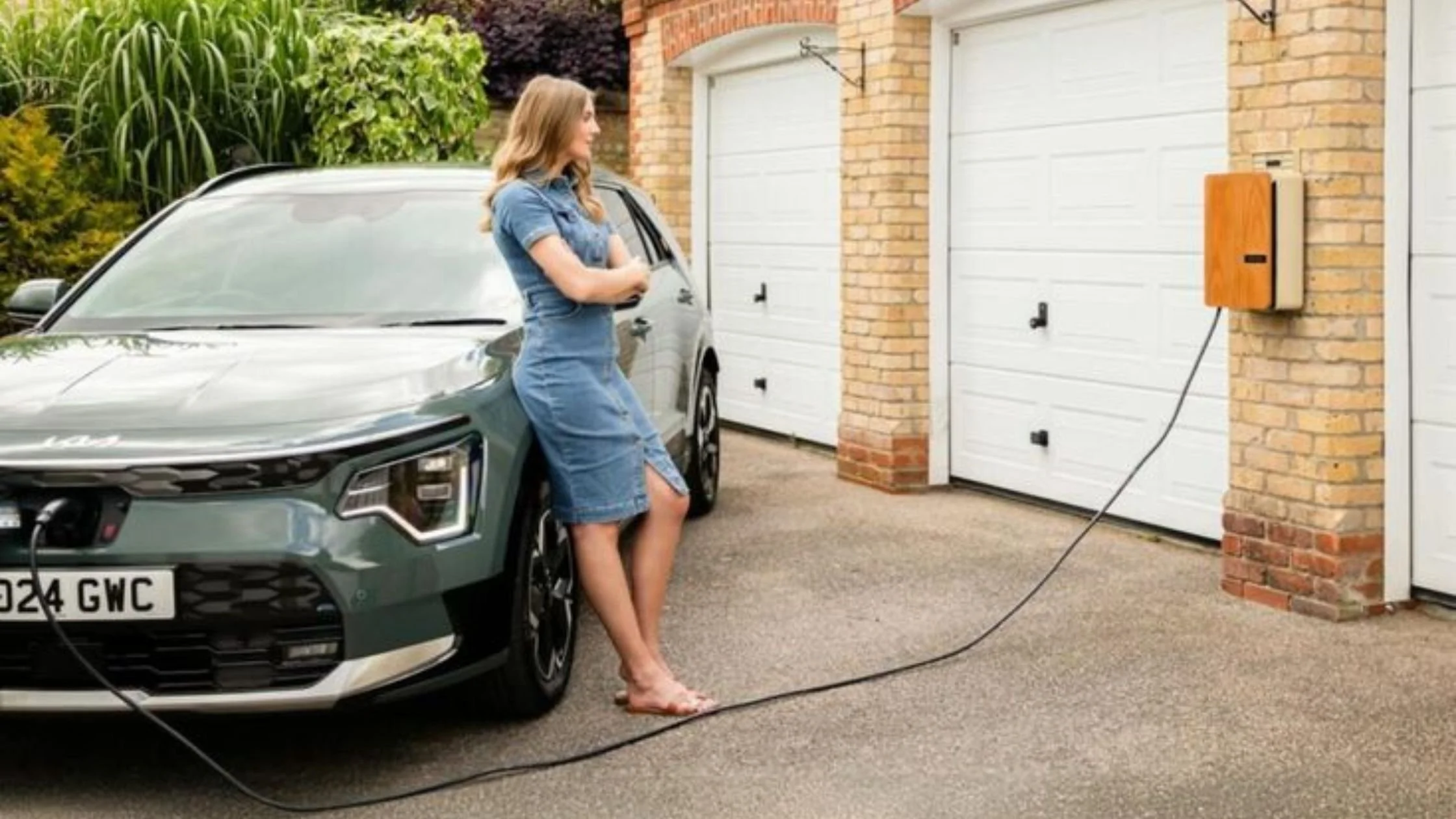
If possible, begin your journey with a high battery level. Charging at home before leaving can save time and give you more flexibility during the first part of your trip.
This is one reason home EV charging can be so convenient. Instead of starting your morning by looking for a public charger, you can charge overnight and leave with your vehicle ready for the road.
For frequent EV drivers, having a dedicated home charging setup can make everyday driving and long-distance trips much easier.
4. Consider EV Charger Installation at Home
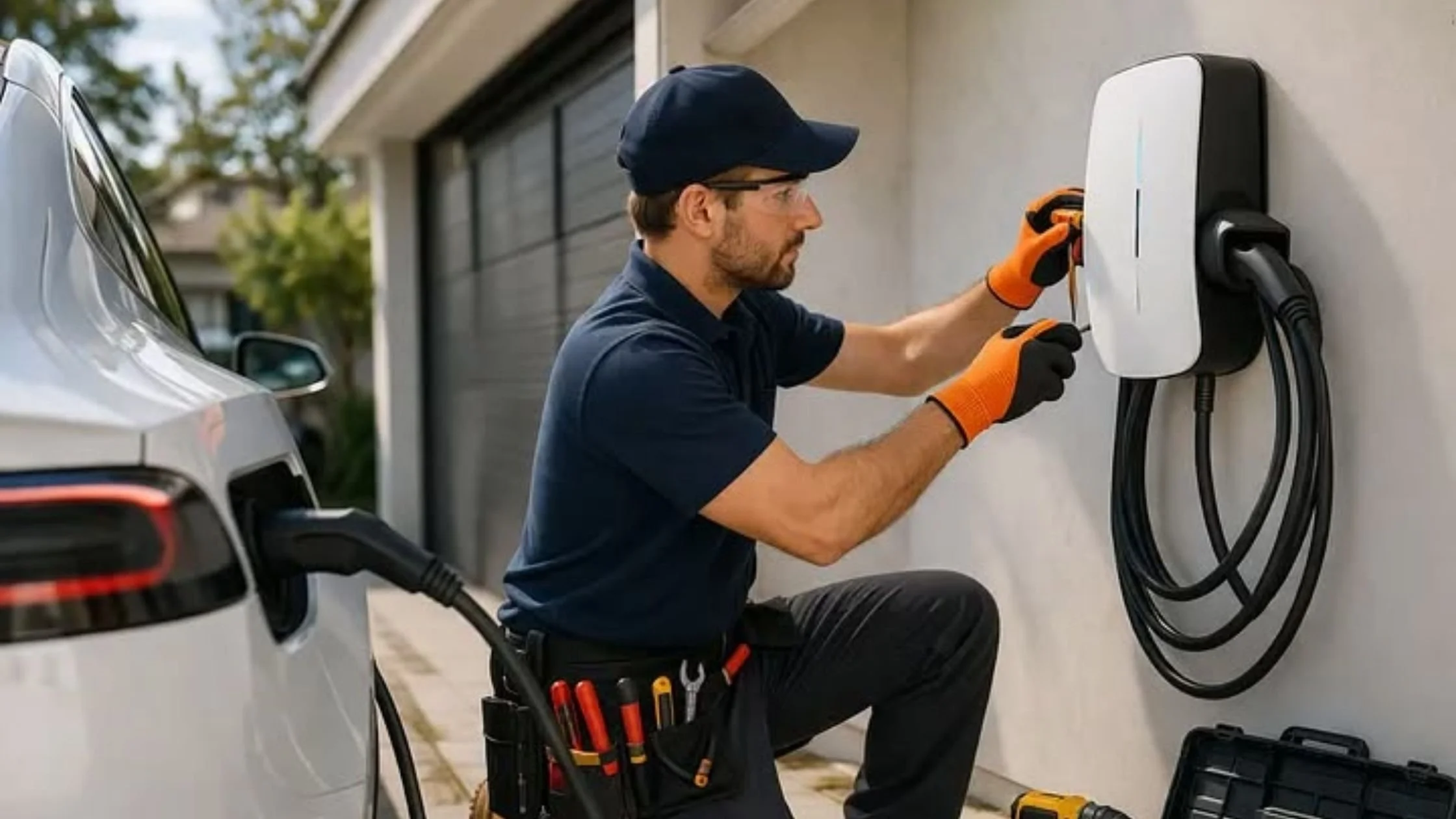
If you regularly drive an EV, professional EV charger installation can be a worthwhile investment. A home charging station allows you to recharge your vehicle conveniently, often while you're sleeping or working from home.
A Level 2 home charger can generally provide significantly faster charging than a standard household outlet. Before installation, an electrician should evaluate the home's electrical system and determine whether the existing setup can safely support the charger.
Cascade Solar Electric can help homeowners explore EV charging solutions and determine what type of setup may be appropriate for their property.
5. Understand Different EV Charging Levels
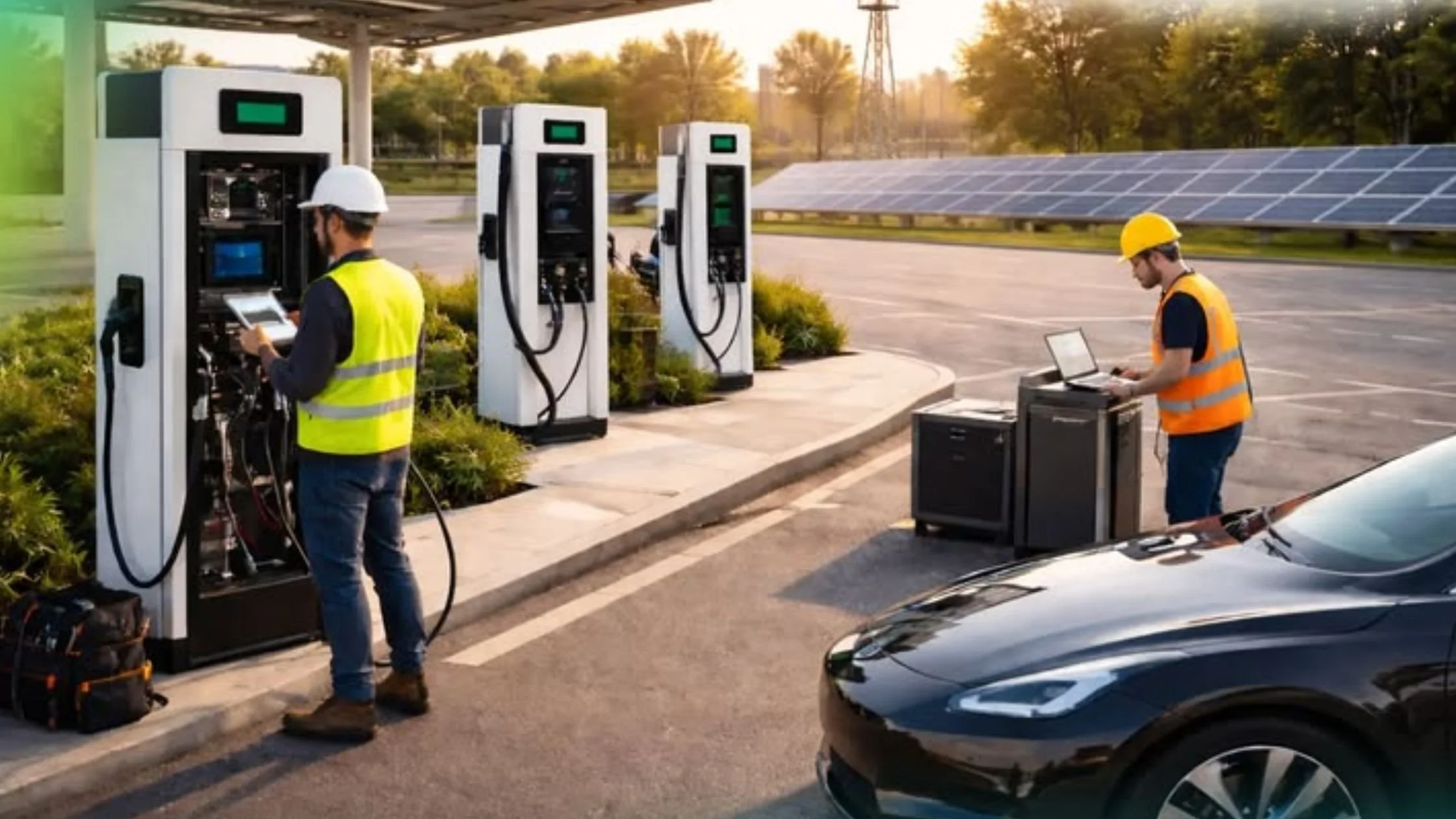
Not every charger provides electricity at the same speed. Understanding the basic charging levels can help you choose the right option during your trip.
Level 1 charging uses a standard household outlet. It is convenient but relatively slow and is generally better suited to overnight charging when daily driving distances are low.
Level 2 charging provides faster charging and is commonly used for homes, workplaces, businesses, and public charging locations.
DC fast charging can add substantial range much more quickly and is particularly useful during longer road trips when you want to minimize charging time.
Your vehicle's charging capabilities also matter, so check your owner's manual to understand the maximum charging speed your EV can accept.
6. Check Charger Compatibility Before You Leave
Finding a charging station isn't enough—you also need to make sure it works with your vehicle.
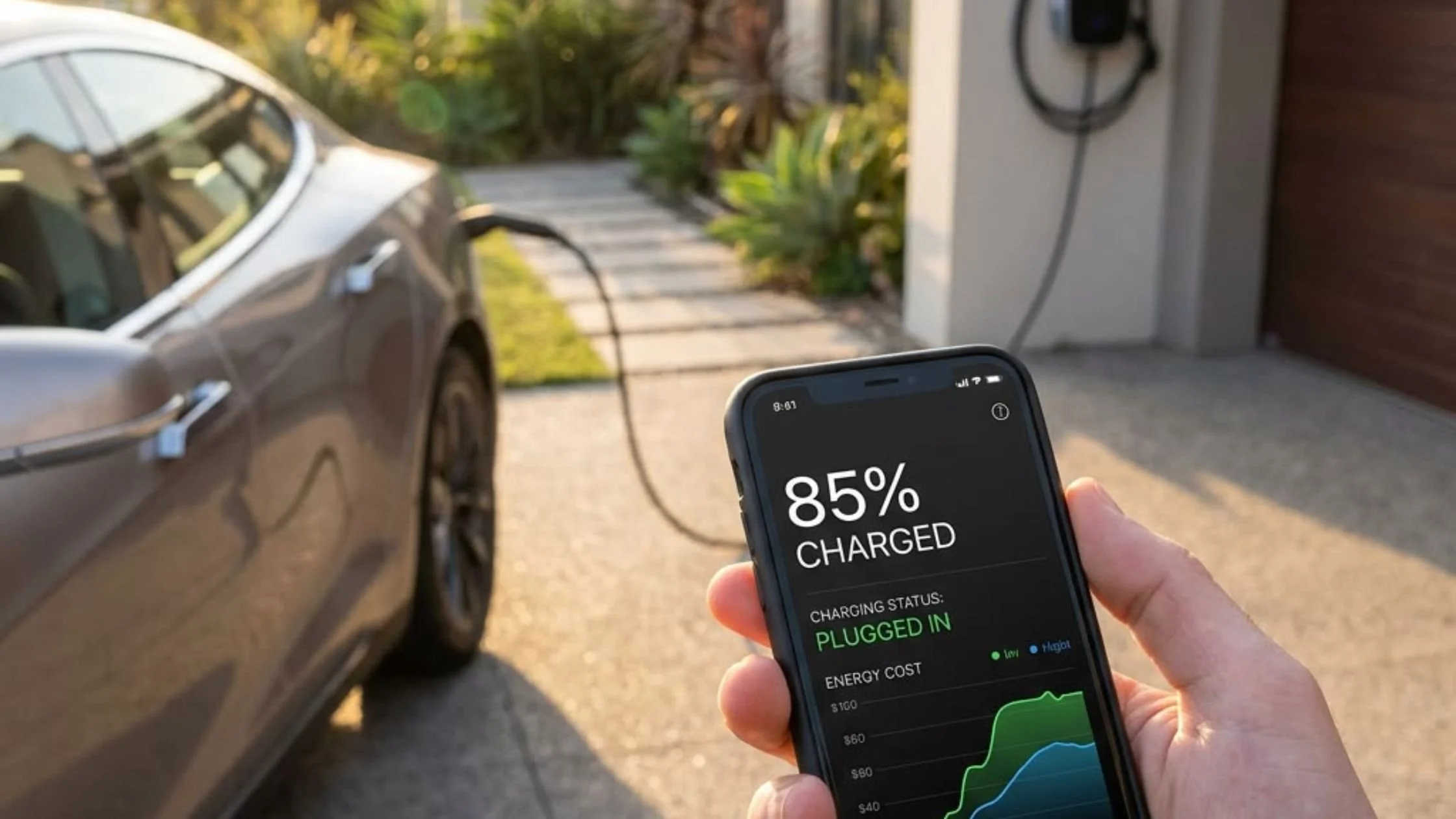
Before starting your trip, check the connector type supported by your EV and whether the charging station offers that connector. Also check whether the station requires an app, membership, or specific payment method.
Taking a few minutes to check these details beforehand can prevent unnecessary delays when you're already on the road.
7. Don't Wait Until the Battery Is Nearly Empty
A common mistake among new EV drivers is waiting too long to recharge.
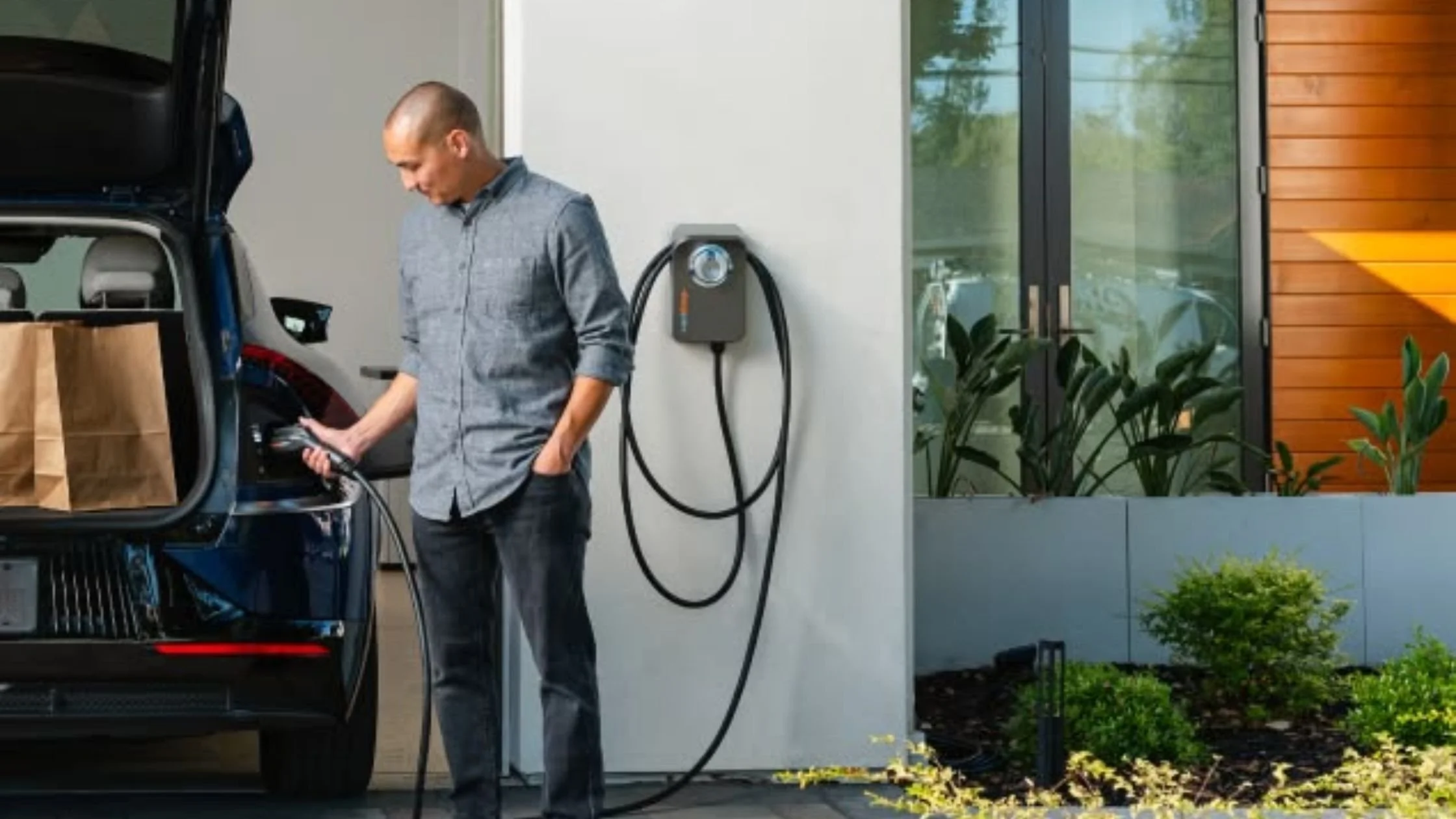
Instead of treating the battery like a gas tank and waiting until it is almost empty, plan charging stops ahead of time. Keeping a reasonable battery reserve gives you more flexibility if you encounter traffic, bad weather, a closed road, or an unavailable charger.
Your ideal charging point will depend on your vehicle, route, and available infrastructure, but maintaining a comfortable buffer is generally a better strategy than driving until the battery is critically low.

8. Prepare for Colorado's Weather and Elevation
Colorado's weather can change quickly, and this can influence EV range. Cold temperatures can reduce battery efficiency, while heating the cabin can require additional energy.
Mountain driving can also affect consumption. If your trip includes significant elevation changes, don't rely solely on the vehicle's estimated range.
Check the weather before leaving Denver and adjust your charging plan if necessary. During winter travel, allowing additional battery capacity can provide extra peace of mind.

9. Use Charging Time Efficiently
Charging doesn't necessarily mean sitting in your vehicle and waiting. Depending on the location and charging speed, you can use the time to grab a meal, visit a coffee shop, stretch your legs, or explore the surrounding area.
When planning your route, consider choosing charging locations near places where you already want to stop. This can make the overall road-trip experience more enjoyable and reduce the feeling that charging is an interruption.
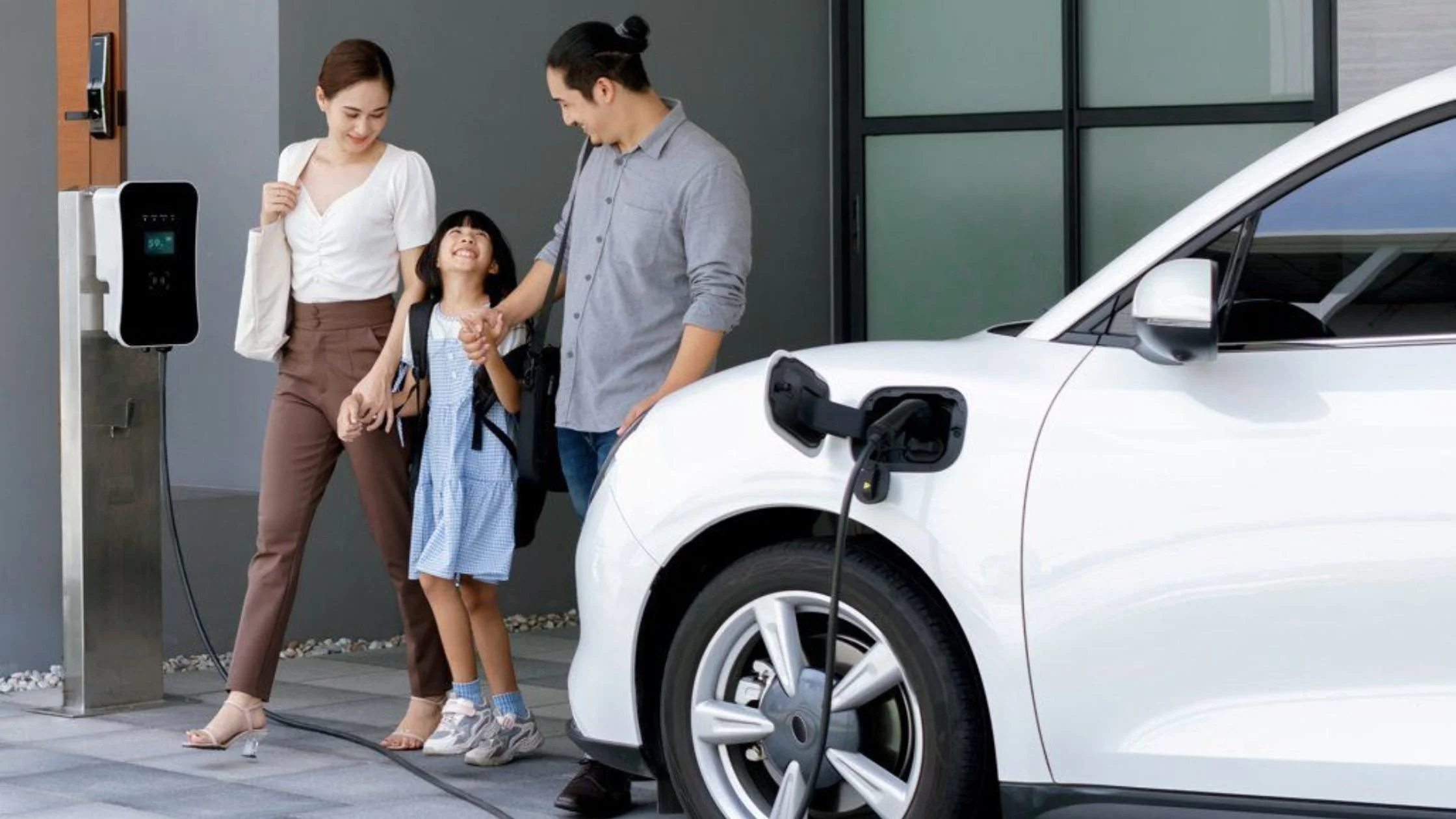
10. Keep Your Home Charger Ready for the Return
Planning your charging shouldn't stop when you leave Denver. If you're returning home after several days, having a reliable home charger means you can recharge conveniently once you arrive.
This is another advantage of investing in professional EV charger installation. Your home can become your most convenient charging location, while public stations can fill in the gaps when you're traveling.
For homeowners considering an EV charger, Cascade Solar Electric can help evaluate charging options based on the property's electrical setup and charging needs.
FAQs About EV Road Trips From Denver
How do I find EV charging stations in Denver?
You can use EV navigation tools and charging apps to locate stations, check compatibility, and review available charging speeds. It's best to identify several charging options before beginning a long trip.
Is Level 2 charging suitable for home use?
Yes. Level 2 chargers are commonly used for residential EV charging because they can provide considerably faster charging than a standard household outlet.
Should I charge my EV to 100% before a road trip?
It depends on your vehicle and trip. For a longer journey, starting with a high state of charge can provide additional flexibility. However, charging strategies vary by EV model, so follow the manufacturer's recommendations.
How important is EV charger installation for EV owners?
A properly installed home charger can make regular EV ownership much more convenient. Instead of depending entirely on public charging stations, you can recharge at home whenever your vehicle is parked.
Can weather affect EV range in Colorado?
Yes. Cold temperatures, cabin heating, wind, and mountain driving can all affect energy consumption. It's a good idea to account for these factors when planning a road trip.
Make Your Next Denver EV Road Trip Easier
An EV road trip from Denver can be simple and enjoyable when you plan ahead. Check your vehicle's range, identify EV charging stations in Denver and along your route, keep a reasonable battery reserve, and prepare for Colorado's changing weather and terrain.
For regular EV drivers, convenient home charging can make an even bigger difference. With professional EV charger installation, you can start each trip with a charged vehicle and spend less time worrying about where your next charge will come from.
Whether you're preparing for your first EV road trip or looking for a better home charging solution, planning ahead can help you get more convenience and confidence from your electric vehicle.