
Solar Power Storage: How Tesla Powerwall, EV Charging, and Your Electrical System Work Together
Quick Answer
Solar power storage lets a home save electricity generated by rooftop solar and use that energy later, including after the sun goes down or during a properly configured grid outage. Tesla Powerwall battery storage is one option for storing that energy, while the home's electrical panel, wiring, inverter, and backup configuration determine how the system operates. For homeowners also considering an EV, solar generation, battery storage, and a home charger can be planned as one connected energy system. The right setup depends on electricity use, desired backup loads, vehicle charging needs, available electrical capacity, and the property itself.
Introduction
Solar panels are no longer the only piece of a modern home energy system. Many Denver-area homeowners are looking at what happens after the panels produce electricity: where that energy goes, how it can be used at night, what happens during an outage, and how an electric vehicle fits into the picture.
That is where solar power storage becomes important. Instead of treating solar, batteries, EV charging, and electrical work as separate projects, homeowners can evaluate how the pieces work together. A well-planned system can make better use of daytime solar production while preparing the home's electrical infrastructure for new loads.
Cascade Solar & Electric provides solar, battery backup, EV charging, and electrical services, so these requirements can be evaluated together rather than as disconnected upgrades.
What Is Solar Power Storage?
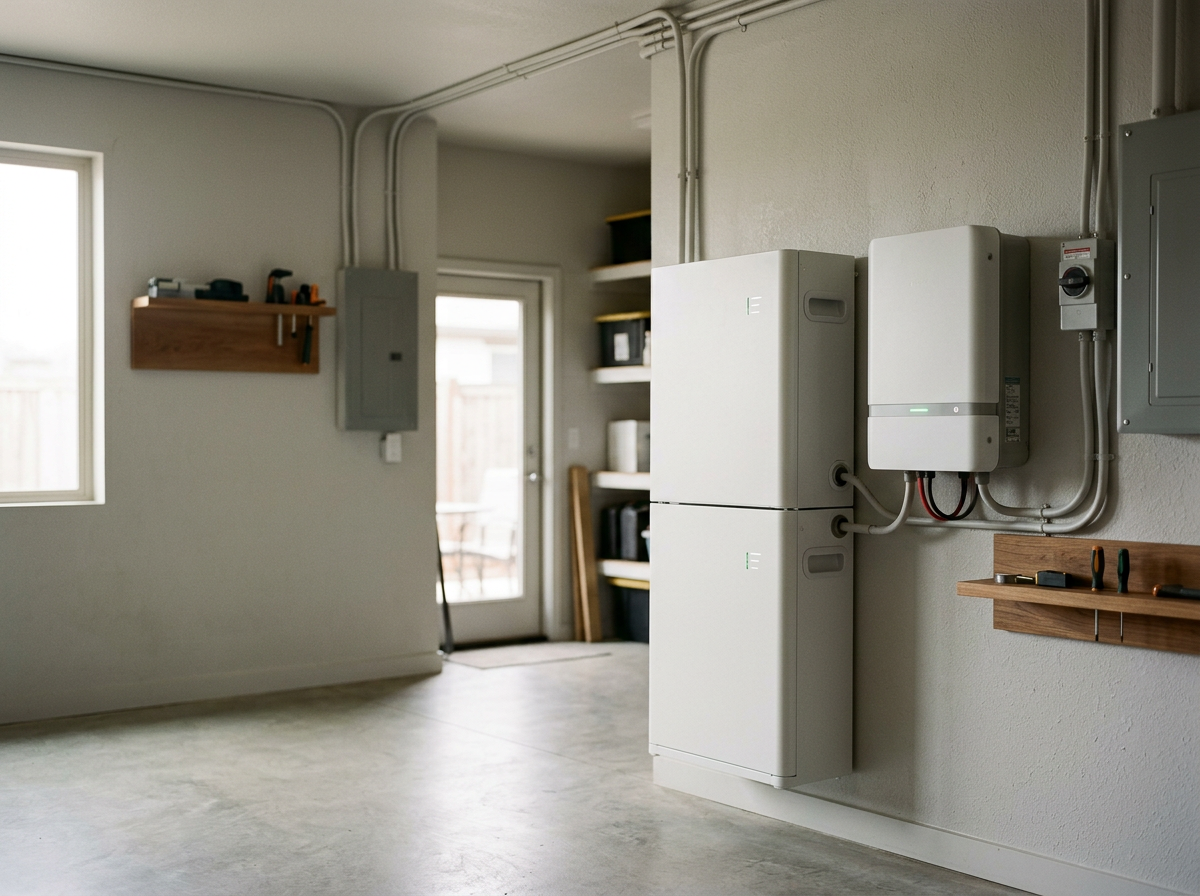
Solar power storage means using a battery system to store electricity for later use. During daylight hours, solar panels generate electricity. The home can use that electricity immediately, and available excess production can be directed to the battery depending on the system design.
Later, when solar production falls, stored electricity can help supply the home's loads. A properly designed solar-plus-storage system can also provide backup power during a grid outage to the circuits it is configured to support.
This distinction matters: solar panels and batteries do different jobs. Solar panels generate electricity; the battery stores electricity. Combining the two gives homeowners more flexibility over when solar energy is used.
How Solar, Battery Storage, and the Grid Work Together
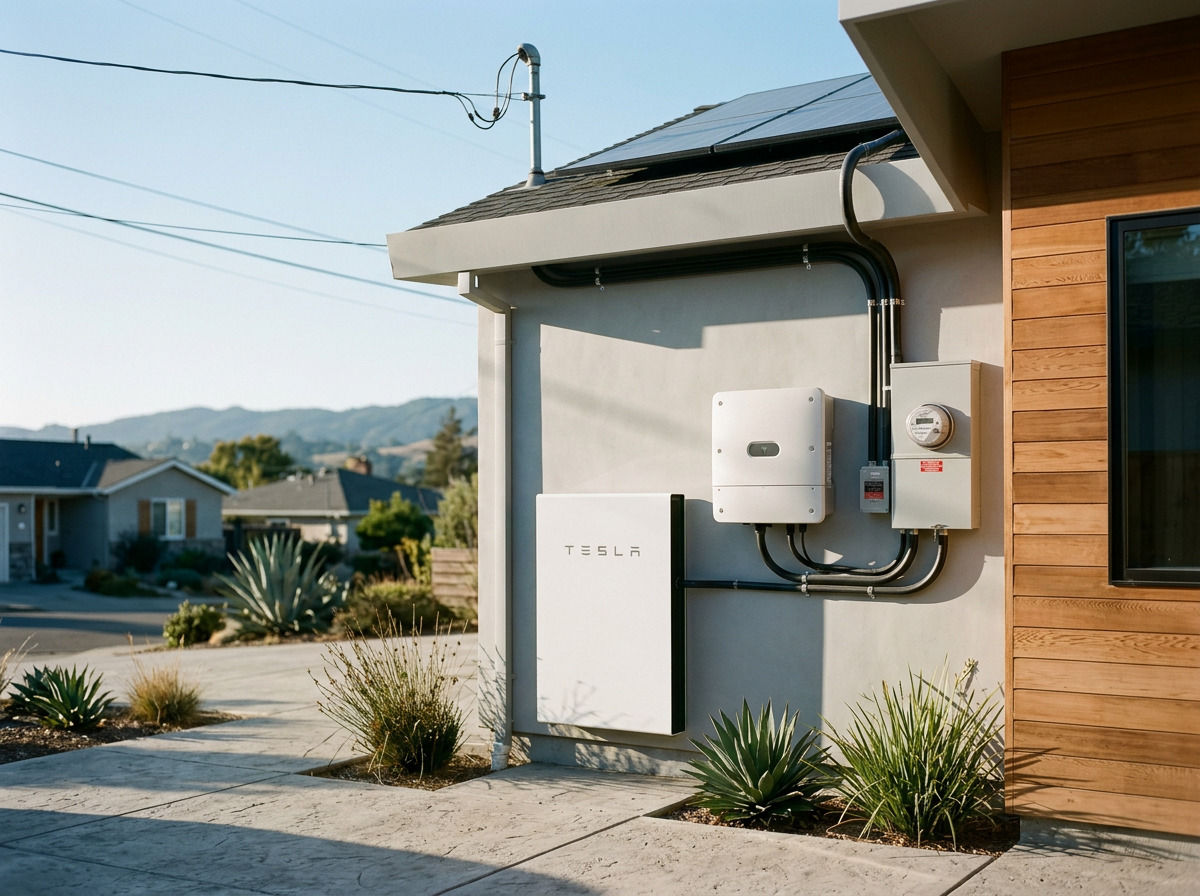
A typical solar-plus-storage setup follows a simple sequence:
1. Solar panels generate electricity during daylight hours.
2. The home uses available solar electricity for its active electrical loads.
3. Excess solar production can charge the battery when the system is configured for storage.
4. When solar production is lower, stored energy can help supply household loads.
5. During a grid outage, the battery can provide backup power to the circuits included in the system design.
The exact operating strategy depends on the equipment, utility requirements, electrical configuration, and homeowner goals. Some households prioritize backup power, while others are more interested in storing excess solar production for later use.
Solar Storage at a Glance
| Component | Primary Job | Why It Matters |
|---|---|---|
| Solar panels | Generate electricity from sunlight | Creates on-site electricity during daylight hours |
| Battery storage | Store electricity for later | Makes stored solar energy available after production falls |
| Inverter / power electronics | Convert and manage electricity | Connects generation and storage with household loads |
| Electrical panel | Distribute electricity safely | Provides the connection point for major home electrical loads |
| EV charger | Charge an electric vehicle | Adds a significant electrical load that should be planned into the system |
Tesla Powerwall Battery Storage: What Homeowners Should Know
Tesla Powerwall is a residential battery system designed to store energy and provide backup power when configured with the home's electrical system. Tesla's current Powerwall 3 technical documentation lists 13.5 kWh of nominal battery energy and up to 11.5 kW of continuous AC output, depending on the configuration.
The important takeaway for homeowners is that battery capacity and power output are not the same measurement. Capacity relates to how much energy the battery can store, while power output affects how much electrical demand it can support at a given time. Appliance loads, backup goals, and system configuration therefore matter when determining how much storage a home needs.
Cascade Solar & Electric's Denver Powerwall guide explains the installation process, electrical considerations, and differences between standalone and solar-paired storage.
For more detail, read Tesla Powerwall Installation in Denver.
Do You Need Solar Panels to Use a Battery?
Not necessarily. A battery can be installed without rooftop solar in some configurations. However, pairing storage with solar allows the battery to be recharged from the home's solar generation, which can be useful when the goal is to make more of the home's own renewable electricity available later.
If you already have solar, battery storage may also be added later in some situations. Before choosing equipment, an installer should review the existing inverter, electrical panel, wiring, available space, and compatibility requirements.
How Solar Power Storage Can Support an EV
An electric vehicle can become one of the larger electrical loads in a home. That makes EV charging an important part of energy planning, especially if you are also adding solar or battery storage.
Homeowners who want to install an electric car charger at home should first consider the home's electrical capacity. A Level 2 charger commonly uses a dedicated 240-volt circuit, and the required circuit, wiring, breaker, and charger settings should be matched to the property and equipment.
When solar is available, daytime solar production may support EV charging. Battery storage can add flexibility when solar production is lower, although the actual operating strategy depends on the system and energy-management configuration.
Home EV Charger Installation: What to Check First
· Electrical panel capacity: Determine whether the existing service and panel can support the additional load.
· Available breaker space: Confirm that the electrical system can accommodate the required circuit.
· Charger location: Plan the shortest practical and code-compliant wiring route between the panel and vehicle.
· Vehicle requirements: Match the charger to the vehicle's connector and charging capabilities.
· Future loads: Consider planned solar, battery storage, another EV, heat pumps, or other large electrical equipment.
A professional assessment is particularly useful in older homes. A property may have a panel that works adequately for its current loads but have limited capacity for additional equipment. That does not automatically rule out an EV charger or solar project; it means the electrical plan should be evaluated before equipment is selected.
What About Electric Solar Panels?
The phrase 'electric solar panels' is often used by homeowners to describe solar panels that generate electricity for a home. In practice, photovoltaic panels convert sunlight into DC electricity, which is then managed and converted into usable AC electricity by the system's inverter and related equipment.
The number and type of panels needed depend on electricity consumption, roof space, sunlight exposure, shading, panel characteristics, and the amount of energy the homeowner wants the system to produce. Future electrical loads should also be considered. For example, adding an EV and battery later can change the home's electricity needs.
If you are starting with a new solar project, see Cascade's residential solar panel installation services for information about solar, battery storage, and EV charging options.
Installing Electrical Panels: When an Upgrade May Be Needed
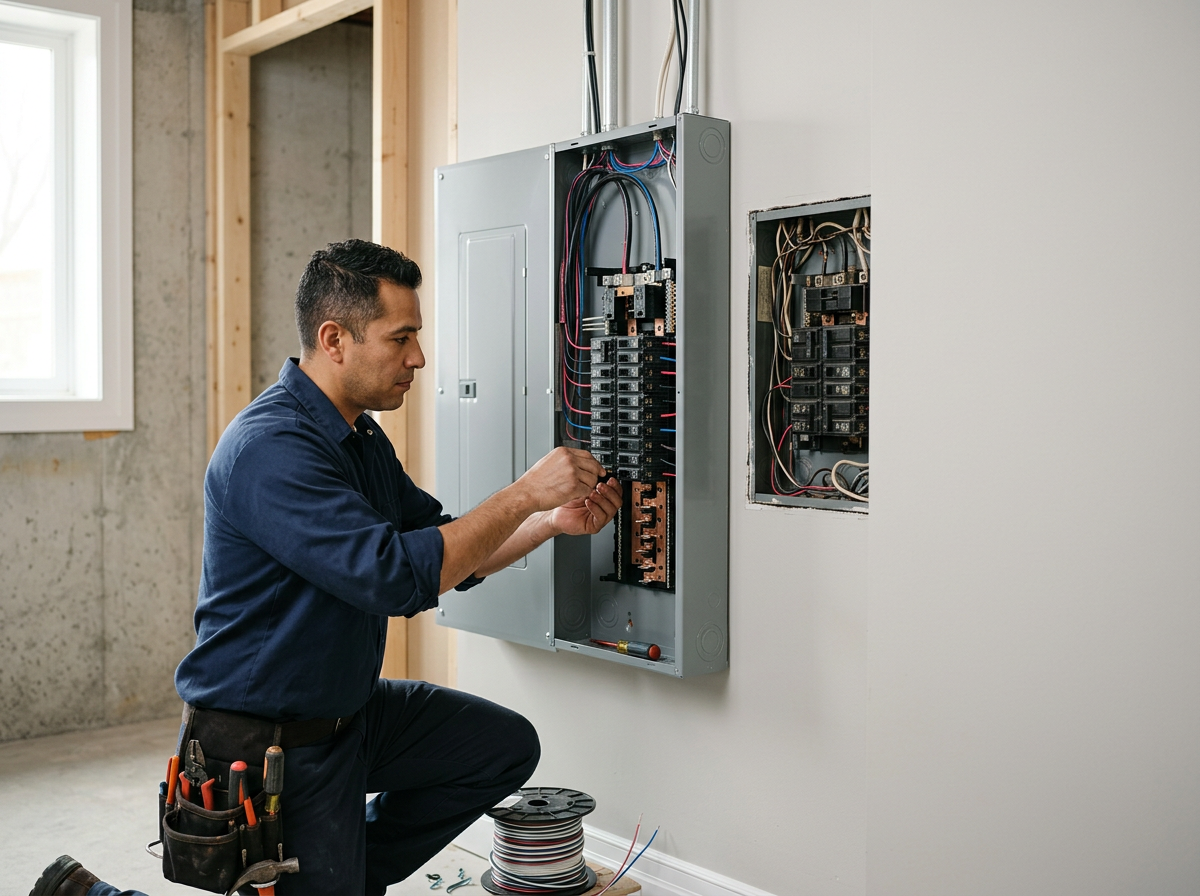
Solar installation, battery storage, and EV charging all connect back to the home's electrical infrastructure. In some properties, the existing electrical panel has enough capacity. In others, an electrical panel or service upgrade may be necessary before new equipment can be added.
Signs that deserve an electrical review include an older panel, limited breaker space, a 100-amp service, existing high-demand appliances, or plans to add multiple new electrical loads at the same time.
Installing electrical panels or upgrading an existing panel is not simply a matter of adding more breakers. The service, conductors, panel rating, load calculations, grounding, equipment compatibility, and applicable code requirements all need to be considered.
A Practical Planning Checklist
· Review the home's recent electricity usage and seasonal patterns.
· Identify the appliances and circuits that matter most during an outage.
· Decide whether the goal is essential-load backup or broader whole-home backup.
· Determine whether solar will be installed now or added later.
· Assess the electrical panel and available service capacity.
· If you own an EV, include charging requirements in the electrical plan.
· Ask about equipment compatibility, permitting, monitoring, and future expansion.
· Request a project-specific design rather than choosing equipment based only on advertised capacity.
Solar Storage vs. a Generator: What Is Different?
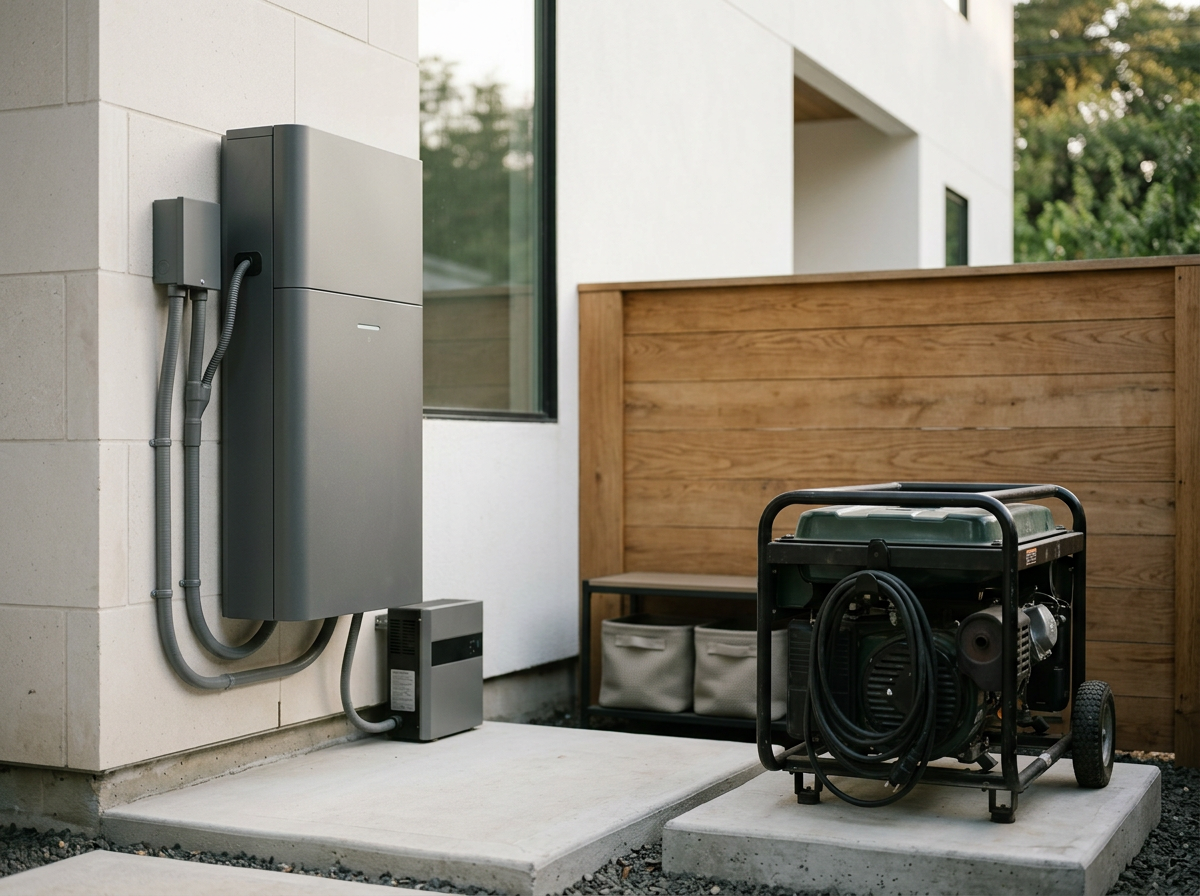
Battery storage and generators can both provide backup power, but they work differently. A battery stores electrical energy and can operate quietly without combustion fuel. When paired with solar, the battery can potentially be recharged by solar production depending on the system design.
A generator uses fuel to produce electricity and can be useful for extended backup when properly sized and supplied with fuel. The appropriate backup approach depends on outage expectations, electrical loads, budget, available space, and whether solar is part of the home's energy plan.
Why Integrated Planning Matters
The biggest planning mistake is treating each electrical upgrade as a completely separate project. A homeowner might first install solar, then add an EV charger, then consider battery storage, only to discover that the original electrical plan did not account for the combined loads.
A more coordinated approach considers the home's current and expected electricity demand before equipment is selected. Solar generation, battery storage, EV charging, and electrical panel capacity can then be evaluated together.
Cascade Solar & Electric offers solar, battery backup, EV charging, and electrical services under one roof. That allows the electrical infrastructure and energy equipment to be considered as part of one overall project.
Expert Tips for Planning Solar + Storage
Size around your actual loads. Use recent utility bills and identify the appliances you want to support rather than choosing a battery based only on a headline capacity number.
Plan for tomorrow's electricity use. An EV, heat pump, electric range, finished basement, or other future upgrade can materially change the home's load profile.
Evaluate the panel early. Electrical capacity can affect solar, storage, and EV charger installation. Reviewing it early can prevent redesigns later.
Separate capacity from power. Battery energy capacity and output power answer different questions: how much energy is stored versus how much load can be served at once.
Ask about outage priorities. Knowing which circuits must remain powered helps the installer design the backup system around real needs.
Frequently Asked Questions
What is solar power storage?
Solar power storage uses a battery to store electricity for later use. In a solar-plus-storage system, excess solar production can charge the battery, which can then supply energy when solar production is lower or during a properly configured outage.
Is Tesla Powerwall battery storage compatible with solar panels?
Tesla Powerwall can be integrated with solar systems, but compatibility and the required electrical configuration should be confirmed for the specific property and existing equipment. Tesla's Powerwall 3 is designed as part of a residential energy storage system.
Can I install an electric car charger at home with solar panels?
Yes. An EV charger can be installed in a home with solar panels. The electrical panel, available capacity, charger requirements, and the home's broader energy system should be evaluated before installation.
Do I need an electrical panel upgrade for a home EV charger?
Not necessarily. Some homes have sufficient capacity for a dedicated charger, while others may need electrical modifications or a panel/service upgrade. A load assessment can determine what the property requires.
Can battery storage be added to existing solar panels?
In many cases, yes. A retrofit may be possible, but the existing solar equipment, inverter, electrical panel, wiring, and battery compatibility need to be reviewed before installation.
How do I choose the right battery size for my home?
Start with your electricity usage, the loads you want to back up, desired backup duration, solar system size, and future electrical needs. A professional assessment can translate those requirements into an appropriate storage configuration.
Conclusion
Solar power storage can turn a rooftop solar system into a more flexible home energy solution by making stored electricity available after solar production falls. Tesla Powerwall battery storage is one option, but the right system depends on the home's energy use, backup goals, electrical infrastructure, and future needs.
For homeowners considering an EV, the planning conversation should also include home EV charger installation and the electrical capacity required to support it. Reviewing solar generation, battery storage, EV charging, and the electrical panel together can create a clearer path for future upgrades.
If you're considering solar, storage, an EV charger, or electrical upgrades in the Denver area, Cascade Solar & Electric can evaluate the home's existing system and help develop an integrated plan based on your property's needs.