
Is Your Denver Home Ready for an EV Charger? Electrical Checks to Make First
Owning an electric vehicle can make everyday driving more convenient, especially when you can charge at home instead of relying entirely on public charging stations. However, before installing a home EV charger, it is important to understand whether your property's electrical system can support the additional demand.
In Denver, homes vary widely in age, electrical capacity, wiring condition, and available garage space. A charger that works well in one property may require additional electrical work in another. Planning the installation properly helps homeowners understand their options, avoid unexpected costs, and choose equipment that suits their driving habits.
Here are the key electrical considerations to review before installing an EV charger at your Denver home.
1. Understand Your Daily Charging Requirements
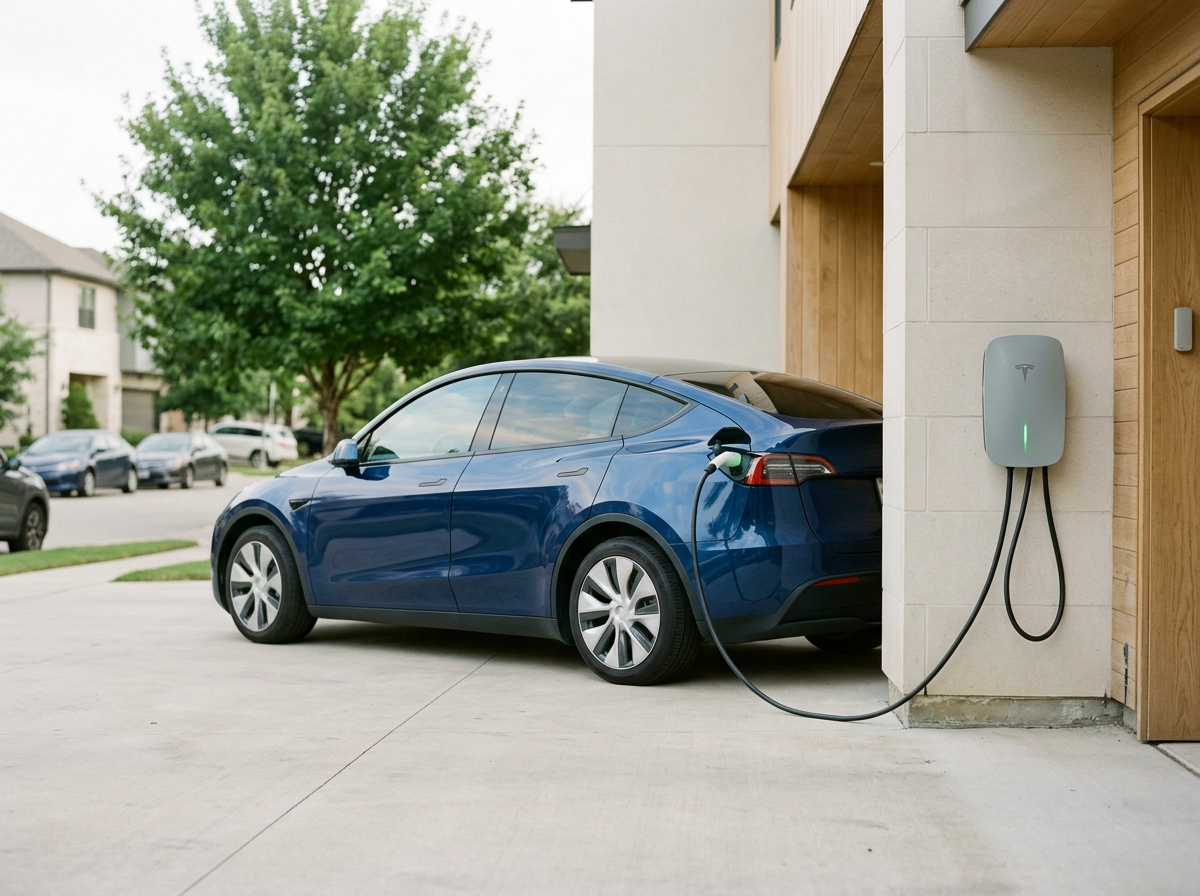
Start by considering how you use your electric vehicle. Your daily driving distance, charging frequency, and vehicle's battery capacity all influence the type of charging equipment you may need.
Level 1 charging uses a standard household outlet and generally provides a slower charging rate. It may suit drivers who travel short distances and can leave their vehicles plugged in for extended periods.
Level 2 charging uses a dedicated higher-voltage circuit and typically provides faster home charging. It is often the preferred option for households that drive regularly, own multiple electric vehicles, or want greater flexibility.
The right solution depends on your vehicle, available electrical capacity, and expected charging schedule. Reviewing these factors before purchasing equipment can help prevent choosing a charger that does not fit your needs.
2. Check Your Electrical Panel Capacity
Your electrical panel distributes power throughout your home. Adding an EV charger introduces a substantial electrical load, so an electrician should assess the panel before installation.
The assessment should consider the panel's rating, existing circuits, current household demand, and the proposed charger's electrical requirements. A panel with unused breaker spaces is not automatically capable of supporting a new charger. Physical space and electrical capacity are different considerations.
If your existing system has sufficient capacity, installation may be relatively straightforward. If not, options could include a load-management device, a different charging configuration, or an electrical panel upgrade.
Avoid assuming that a panel upgrade is always necessary. A qualified electrician can evaluate the existing installation and explain which approach is appropriate for your property.
3. Consider the Age and Condition of Your Home's Wiring
Older homes may have electrical systems that were designed before electric vehicles became common. Previous renovations, additions, or changes in household energy use may also have affected the system.
An electrician should inspect the relevant wiring, grounding, overcurrent protection, and circuit condition. The goal is to confirm that the new equipment can be installed safely and in accordance with applicable requirements.
Warning signs such as frequent breaker trips, damaged outlets, unusual warmth, or visible deterioration deserve attention before adding new electrical equipment.
Even if your home has operated without obvious problems for years, a new high-demand appliance can reveal limitations that were not previously apparent. An inspection provides an opportunity to identify these concerns before the charger is installed.
4. Choose the Right Charger Location
The location of the charger affects installation complexity, convenience, and cable management.
Many homeowners prefer installing the charger inside a garage because the vehicle is protected from the weather and the equipment can be positioned near the parking area. Others may need an outdoor installation because they park in a driveway or use a detached garage.
Consider the following questions:
Can the charging cable comfortably reach the vehicle's charging port?
Will the cable create a tripping hazard or obstruct a walkway?
Is the proposed location suitable for the charger model and its environmental rating?
Will the installation require a long cable route or drilling through finished walls?
Is there adequate clearance around the equipment?
Planning the route before installation can reduce unnecessary work and help keep the finished setup tidy.
5. Review Permits and Local Electrical Requirements
Electrical work may require permits, inspections, or other approvals depending on the project and applicable local rules. Requirements can vary according to the property, installation method, and scope of work.
Before proceeding, ask your electrical contractor which permits apply and who will arrange them. Confirm that the proposed installation meets current electrical requirements and the charger's manufacturer instructions.
If you live in a condominium, townhouse, or property governed by a homeowners association, additional approval may be necessary. Shared parking areas and common electrical infrastructure can introduce further considerations.
Do not rely solely on a product's installation guide to determine local requirements. A qualified professional should confirm the rules that apply to your specific address and installation.
6. Evaluate Smart Charging and Future Electrical Needs
Some chargers include scheduling, energy monitoring, app controls, and load-management features. These capabilities may help households manage charging around their routines and available electrical capacity.
For example, a homeowner may prefer charging overnight or scheduling charging during specific periods. Some systems can also coordinate charging with other household electrical loads, depending on their design and compatibility.
Think beyond your current vehicle as well. If you may purchase a second EV, install an electric heat pump, or add other high-demand equipment in the future, mention those plans during the assessment.
Future planning does not mean installing the largest possible system today. Instead, it helps your electrician identify a practical solution that accommodates likely changes without unnecessary expenditure.
7. Understand the Factors That Influence Installation Costs
Home EV charger installation costs vary because no two properties have exactly the same requirements.
The main factors may include the charger itself, electrical panel capacity, wiring distance, mounting location, accessibility, permit requirements, and any additional electrical work.
A charger installed close to a suitable electrical panel may require less labor than one located in a detached garage with a long underground cable route. A property requiring an electrical upgrade will also have a different project scope from a home with adequate existing capacity.
Ask for a clear estimate that separates the equipment, labor, permits, and any optional upgrades. Confirm what is included before approving the work.
8. Work With a Qualified Electrical Contractor
Professional assessment is especially important when installing equipment that draws substantial power for extended periods.
A qualified electrician can review the existing system, determine whether upgrades are needed, select appropriate circuit protection, and explain the installation process. They can also help identify practical equipment options based on the home's layout and charging requirements.
If your project involves broader electrical improvements, explore Cascade Solar & Electric's services to understand the types of electrical work the company provides. You can also contact the team to discuss your property's requirements.
Before hiring a contractor, ask about relevant experience, licensing, permits, warranties, and the final inspection process.
Conclusion
Installing a home EV charger can make electric vehicle ownership more convenient, but the process should begin with an assessment of your home's electrical system.
Review your charging needs, panel capacity, wiring condition, charger location, permitting requirements, and future plans before choosing equipment. These checks help establish a realistic project scope and reduce the likelihood of unexpected complications.
With professional guidance and careful planning, Denver homeowners can choose a charging solution that suits their vehicles, property, and everyday routines.