
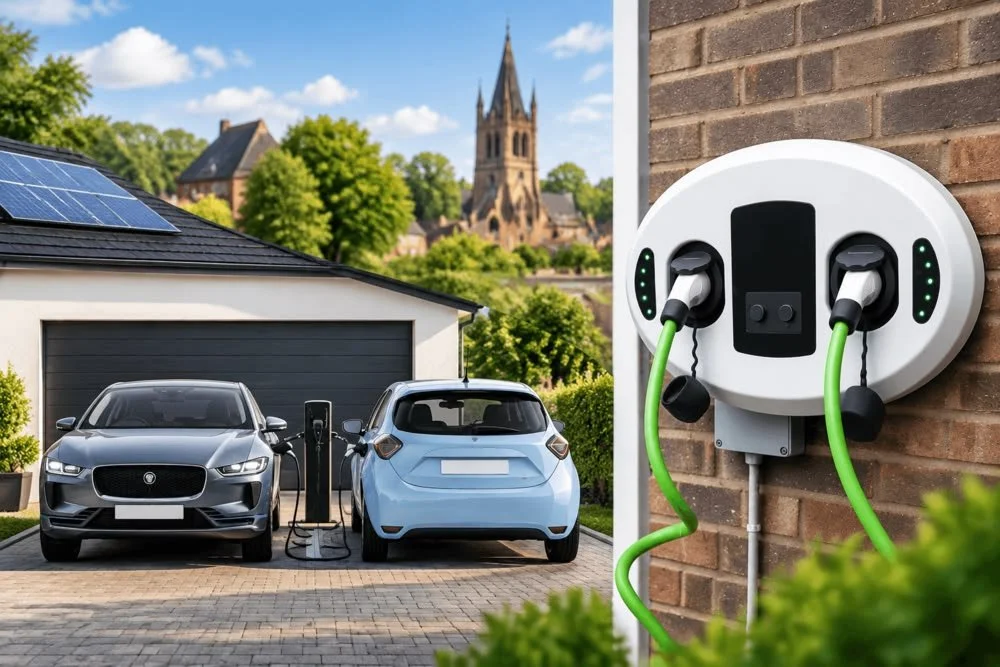
Install an Electric Car Charger at Home: A Complete Guide to Home EV Charging
Quick Answer
To install an electric car charger at home, you first need to determine which type of charger is suitable for your vehicle and home. The installation may require an evaluation of your electrical panel, available capacity, wiring, circuit requirements, charger location, and local electrical requirements.
For many EV owners, a professionally installed Level 2 charger can provide faster home charging than a standard household outlet. A qualified electrician can assess the home's electrical system, install the appropriate circuit and equipment, and make sure the charger is properly connected.
For homeowners considering home EV charger installation, planning the electrical requirements before purchasing the equipment can help avoid unexpected issues during installation.
Why Install an Electric Car Charger at Home?
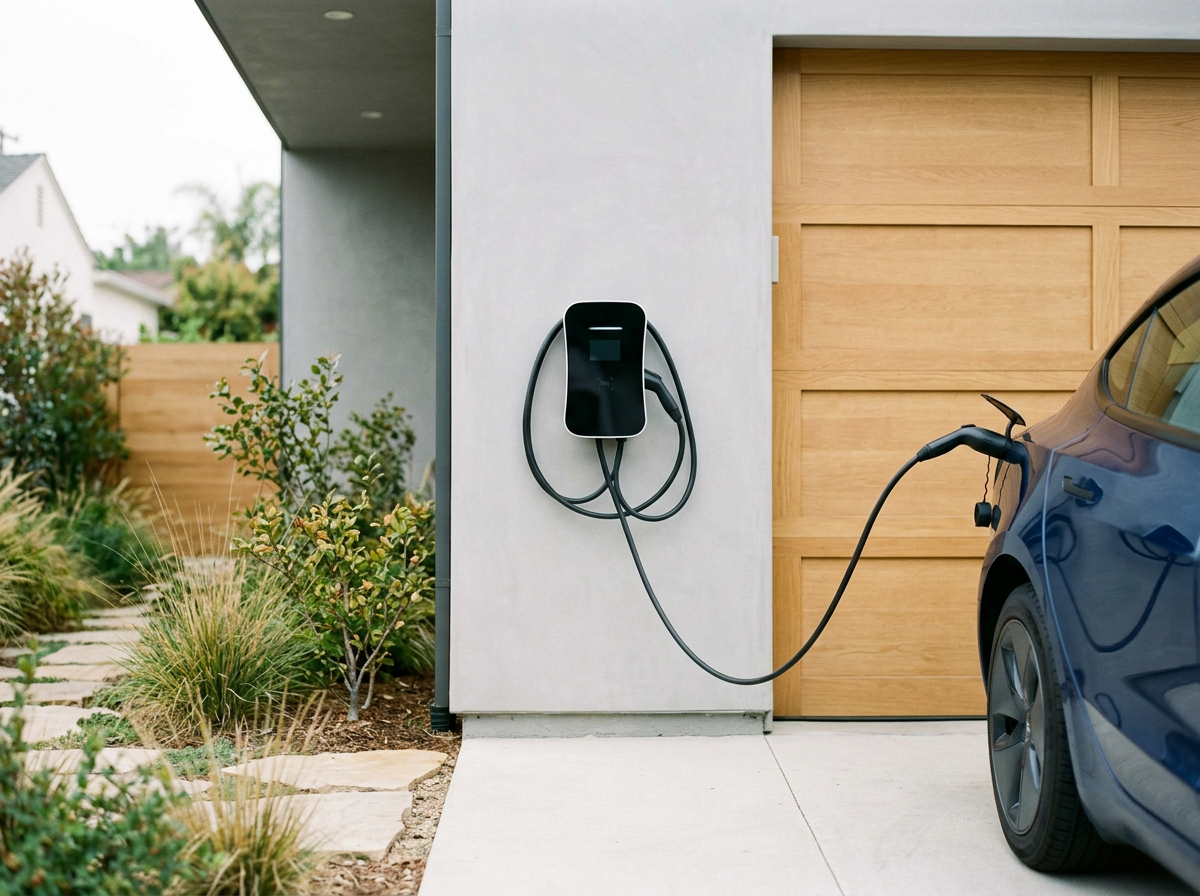
One of the biggest advantages of owning an electric vehicle is being able to charge it where you live.
Instead of depending entirely on public charging stations, a home charger allows you to plug in your vehicle when you return home and have it ready for your next trip.
Home EV charging can be useful for:
Daily commuting
Overnight charging
Regular local driving
Reducing dependence on public charging stations
Conveniently maintaining your vehicle's charge
Taking advantage of off-peak electricity rates where available
The right charging setup depends on the vehicle, driving habits, available electrical capacity, and the homeowner's charging needs.
What Type of EV Charger Should You Install?
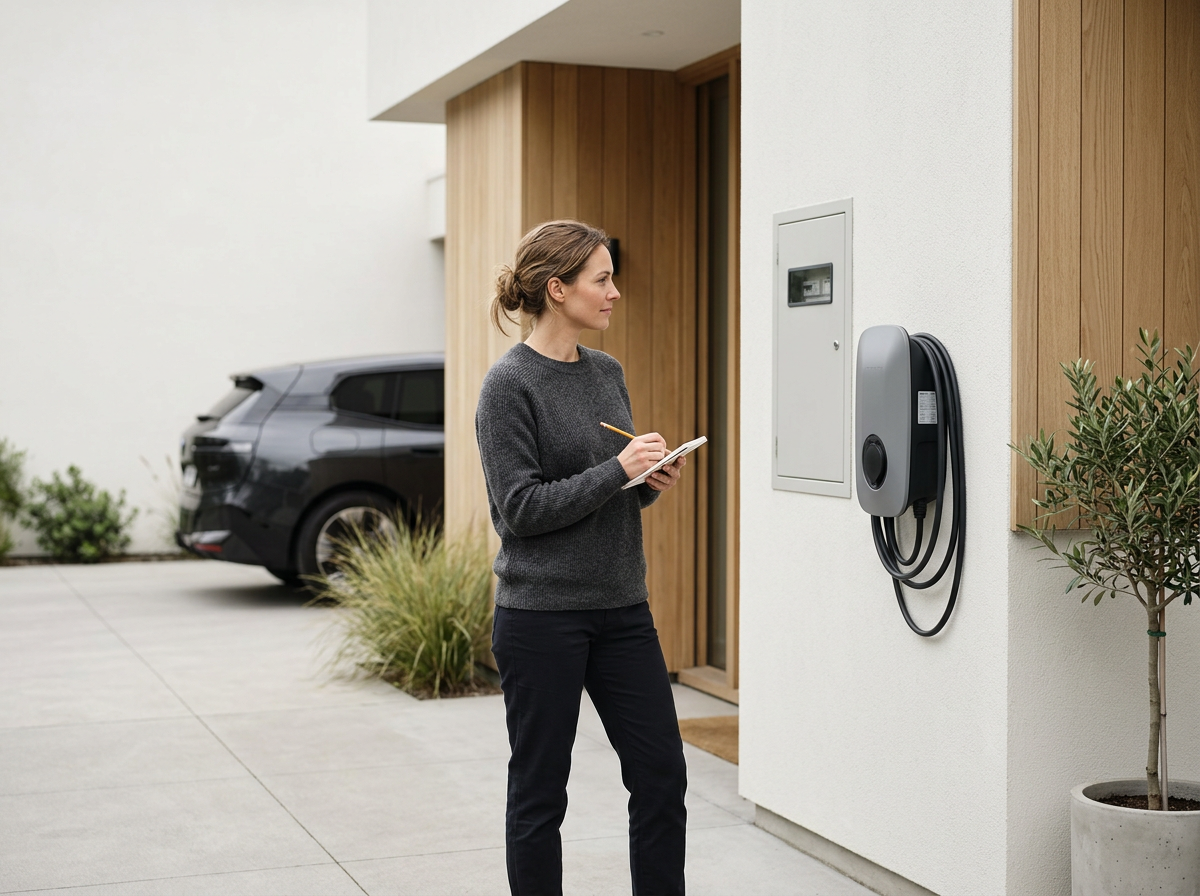
There are different levels of EV charging, and understanding the differences can help you determine which option is appropriate for your home.
Level 1 Charging
Level 1 charging typically uses a standard household electrical outlet.
It can be suitable for drivers with lower daily mileage or those who do not need to recharge their vehicle quickly.
However, charging can take considerably longer than with a Level 2 system.
Level 2 Charging
Level 2 chargers use higher-voltage electrical service and can provide significantly faster charging.
They are commonly considered for homeowners who:
Drive regularly
Want faster overnight charging
Have higher daily mileage
Want a dedicated home charging setup
Installing a Level 2 charger generally requires a dedicated electrical circuit and professional installation.
DC Fast Charging
DC fast chargers are designed for much faster charging and are generally associated with commercial or public charging locations. They typically require substantially different electrical infrastructure than a typical residential EV charger.
For most homeowners, Level 1 or Level 2 charging is more practical.
What Is Involved in Home EV Charger Installation?
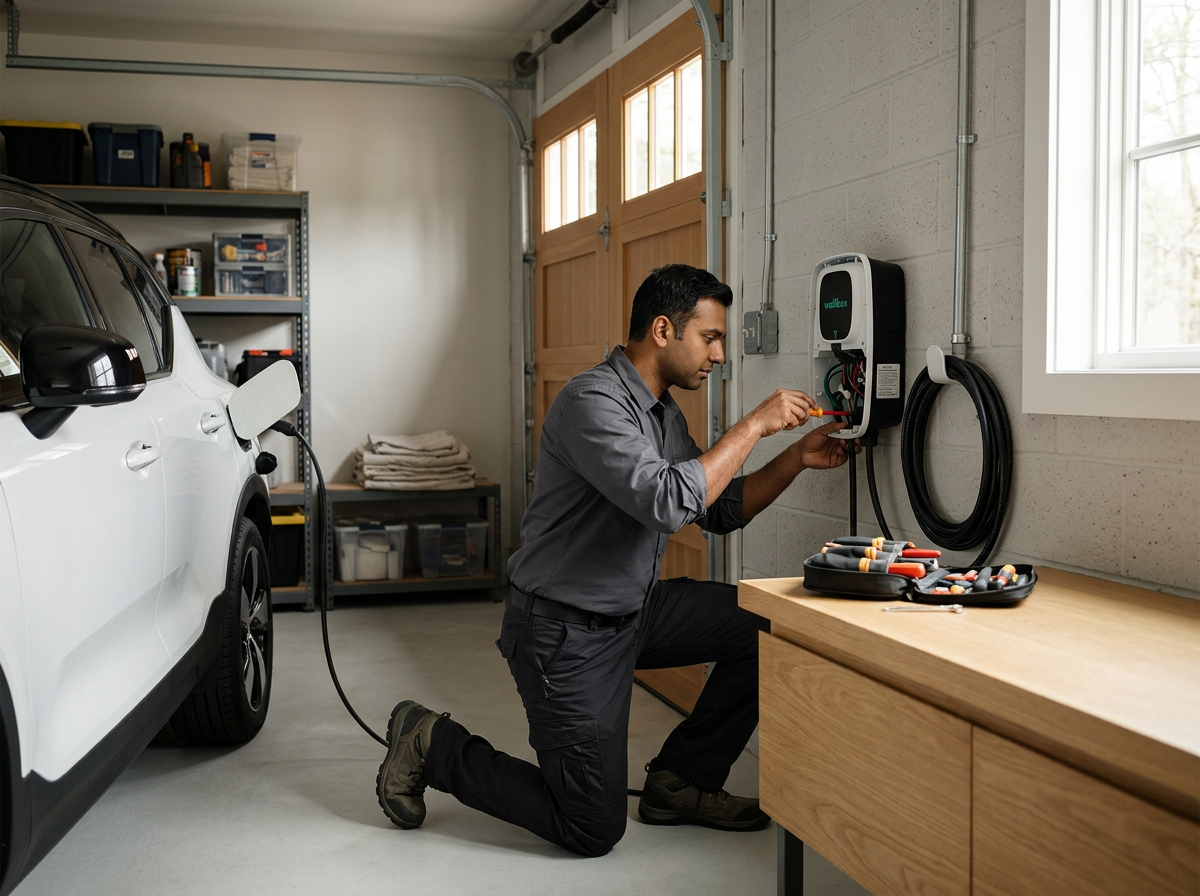
Before installing an EV charger, the electrical system should be evaluated to determine whether it can safely support the charger.
A professional installation may involve several steps.
1. Evaluate the Electrical Panel
The first step is determining whether the home's electrical panel has sufficient capacity for the new charging equipment.
The electrician may evaluate:
Existing panel capacity
Available breaker space
Current electrical loads
Service capacity
Existing wiring
The charger's electrical requirements
If the existing electrical system does not have enough capacity, additional electrical work may be necessary.
2. Choose the Charger Location
The charger should be installed in a practical location that works with where the vehicle is normally parked.
Common locations include:
Inside a garage
On an exterior wall
Near a dedicated parking area
The distance between the electrical panel and charger can also affect the installation requirements.
3. Install the Required Circuit
A Level 2 charger generally requires a dedicated circuit.
The electrician will determine the appropriate wiring, breaker, and other electrical components based on the charger's specifications and the home's electrical system.
4. Mount and Connect the Charger
Once the electrical infrastructure is ready, the charger can be mounted and connected according to the manufacturer's requirements.
Proper installation is important for safe and reliable operation.
5. Test the System
After installation, the system should be checked to confirm that the charger is receiving power and operating properly.
The electrician can also verify that the installation meets applicable electrical requirements.
Electrical Requirements for a Home EV Charger
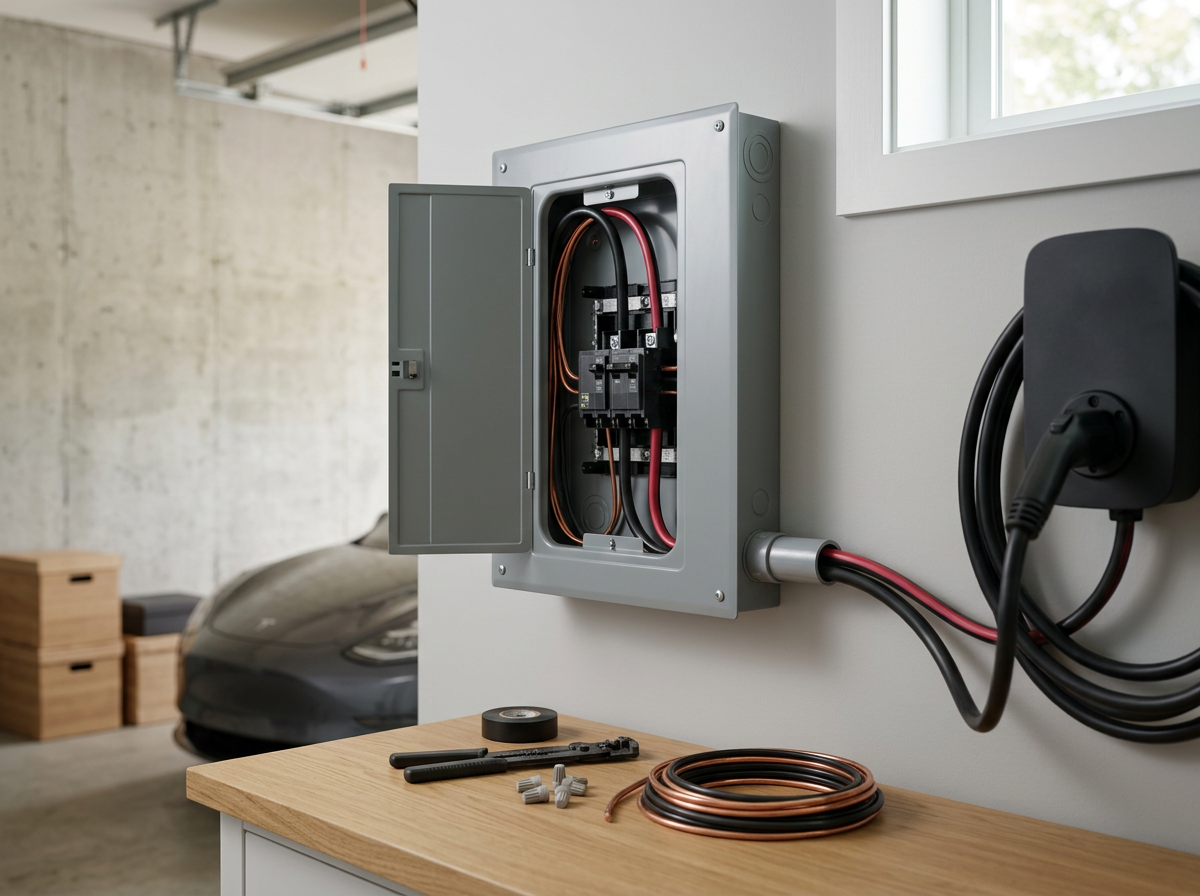
One of the most important considerations when you install an electric car charger at home is whether the existing electrical system can support it.
The requirements depend on factors such as:
Charger type
Charger output
Vehicle requirements
Electrical panel capacity
Distance from the panel to the charger
Existing household electrical loads
Local electrical requirements
A home that already has significant electrical demand may require additional planning before a new EV charger is installed.
This is why an electrical assessment should be completed before purchasing or installing the equipment.
How Much Does It Cost to Install an Electric Car Charger at Home?
The cost of home EV charger installation varies depending on the equipment and the electrical work required.
Some of the factors that can affect the total cost include:
Charger Equipment:
Different chargers have different purchase prices and capabilities
Electrical Panel:
Additional work may be needed if the panel lacks capacity
Wiring:
Longer wiring runs can require more materials and labor
Installation Location:
Garage and exterior installations may have different requirements
Circuit Installation:
A dedicated circuit may be required
Panel Upgrade:
Some homes may require additional electrical capacity
Permits:
Local requirements may add to the project scope
Labor:
Installation complexity affects labor requirements
Because every home's electrical setup is different, getting an evaluation and project-specific estimate is more useful than relying on a single average installation price.
How Long Does Home EV Charger Installation Take?
The installation time depends on the complexity of the project.
A straightforward installation may require less work when the electrical panel is nearby and has sufficient capacity.
The project may take longer if it involves:
Long wiring runs
Difficult access
Electrical panel modifications
A service upgrade
Additional electrical work
Permit or inspection requirements
Your electrician can provide a more accurate timeline after evaluating the property and charger requirements.
Where Should You Install an EV Charger?
The best location depends on where you normally park your vehicle and how the electrical system is configured.
Garage Installation
A garage can provide convenient access to the vehicle while protecting the charger from outdoor exposure.
Exterior Installation
An outdoor charger can work well when the vehicle is parked outside. The equipment should be suitable for its installation environment and installed according to the manufacturer's requirements.
Driveway Installation
For homes without a garage, a charger may be installed near a driveway or dedicated parking space, depending on the available electrical infrastructure.
When choosing a location, consider the charging cable's reach, vehicle parking position, accessibility, and protection from potential damage.
Can You Install an EV Charger With Solar Panels?
If your home already has solar panels, you may be able to coordinate EV charging with your solar energy system.
Solar-powered EV charging can potentially allow homeowners to use generated solar electricity for vehicle charging, depending on the home's solar system, electrical configuration, energy production, and charging setup.
If you are considering both solar and EV charging, discussing the two systems together during the planning stage can help determine how they can work together.
Why Professional EV Charger Installation Matters
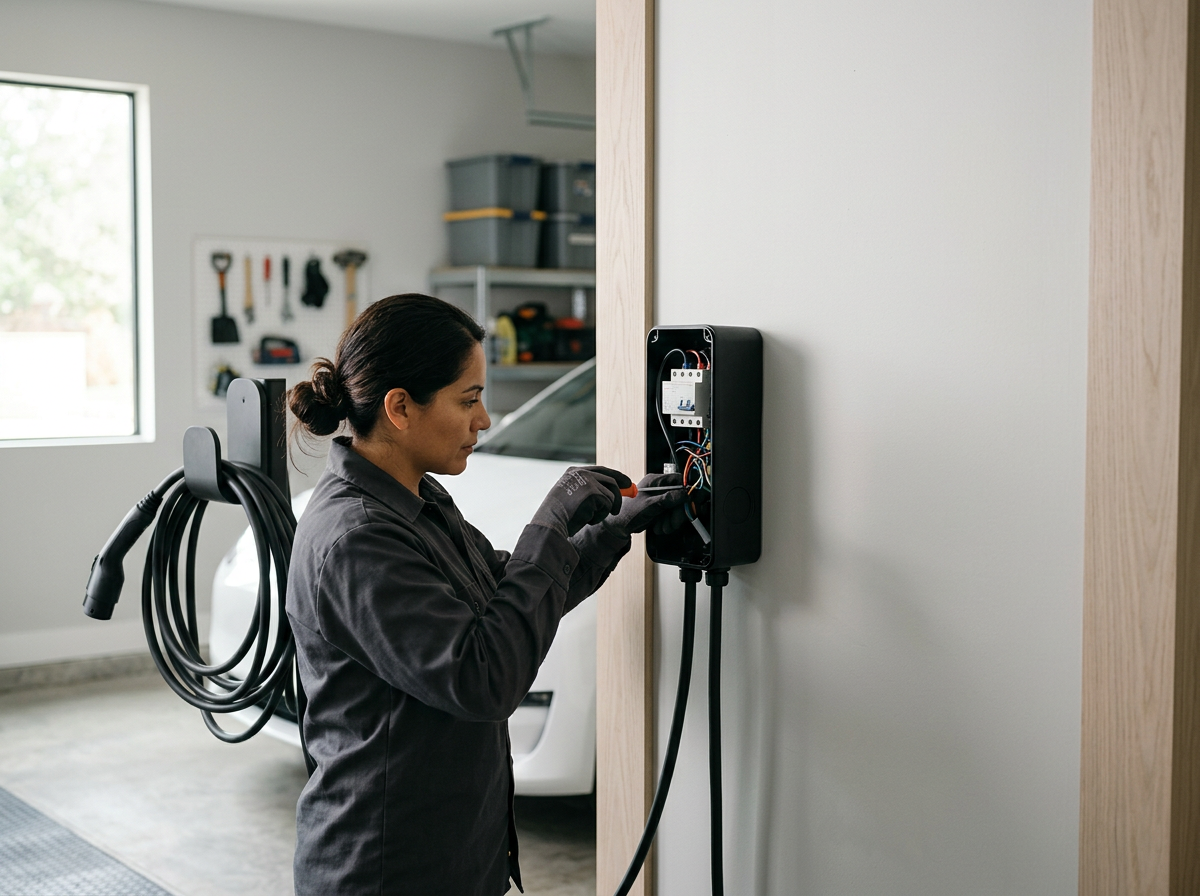
An EV charger is an electrical device that can place a significant load on a home's electrical system.
Professional installation helps ensure that the electrical infrastructure is properly evaluated and that the charger is installed according to applicable requirements.
A professional can help with:
Electrical load evaluation
Circuit requirements
Charger placement
Wiring
Breaker selection
Panel considerations
Installation
Testing
Applicable permitting requirements
Attempting electrical work without the appropriate qualifications can create unnecessary safety risks, so EV charger installation should be handled by a qualified professional.
What to Consider Before Installing a Home EV Charger
Before scheduling your installation, consider these questions:
What type of EV do you own?
How many miles do you typically drive each day?
How quickly do you need your vehicle to charge?
Where do you normally park?
Does your electrical panel have sufficient capacity?
How far is the charger location from the panel?
Do you already have solar panels?
Could you add another EV in the future?
Are there local permitting requirements?
What is your installation budget?
Answering these questions can help you and your electrician determine the most practical charging setup.
How Cascade Solar Electric Can Help
Installing an EV charger involves more than simply mounting a charging unit on the wall. The electrical system, charger specifications, wiring, location, and overall household energy needs all need to work together.
Cascade Solar Electric can help homeowners evaluate their electrical setup and plan a home EV charger installation based on the property's existing infrastructure and charging requirements.
Whether you are installing your first EV charger or looking for a more convenient home charging setup, professional planning can help make the process straightforward.
Frequently Asked Questions
Can I install an electric car charger at home?
Yes. Many homeowners can install an EV charger at home, although the specific requirements depend on the vehicle, charger, electrical panel, wiring, and installation location.
Do I need a special outlet for an EV charger?
It depends on the type of charger. Level 1 charging can typically use a standard household outlet, while many Level 2 chargers require a dedicated circuit and appropriate electrical equipment.
Is Level 2 charging better for home use?
Level 2 charging can provide faster charging than Level 1, making it a practical option for many homeowners who drive regularly and want to recharge their vehicle at home. The appropriate option depends on individual charging needs and the home's electrical capacity.
Can my existing electrical panel handle an EV charger?
It may be able to, but the panel should be evaluated by a qualified electrician. The available capacity, existing electrical loads, and charger's requirements all need to be considered.
How long does it take to install an EV charger?
Installation time varies. A straightforward installation can be relatively simple, while projects requiring panel modifications, long wiring runs, or other electrical work can take longer.
Can I install an EV charger if I have solar panels?
In many cases, EV charging can be integrated with a home's solar energy system. The specific setup depends on the existing solar and electrical systems and how much energy the system produces.
Should I hire an electrician to install my EV charger?
Professional installation is recommended because EV chargers can require dedicated electrical circuits and significant electrical loads. A qualified electrician can evaluate the system and complete the installation properly.
Ready to Install an Electric Car Charger at Home?
A home EV charger can make owning an electric vehicle more convenient by allowing you to charge where you park. Before installation, it is important to consider the charger type, electrical capacity, location, wiring, cost, and future charging needs.
If you're ready to install an electric car charger at home, Cascade Solar Electric can help you evaluate your electrical setup and determine the right approach for your property.
Contact Cascade Solar Electric today to discuss your home EV charger installation and get started.